Expedition
Wildlife of the Gobi
Ikh Nart, Tost and the South Gobi
- Length
- 14 days
- 12 days
- Months
- All year round
- All year round
- Group
- 2 to 6 travellers
This expedition comes in two versions
Overview
This journey brings together two of Mongolia’s great wildlife landscapes, and the long road across the Gobi that links them together.
It begins in Ikh Nart Nature Reserve, among the granite hills where argali and Siberian ibex live alongside cinereous vultures, golden eagles and gazelles. Two full days there leave time to go out in the early morning and evening, when the animals are most active, and to visit the reserve’s petroglyphs and ancient burial sites.
From Ikh Nart, the route heads west to the granite formations of Ikh Gazriin Chuluu, then south across the Gobi to Dalanzadgad. A day in Yolyn Am, a narrow gorge in Gobi Gurvansaikhan National Park, brings a first look at the ibex and bearded vultures of the southern mountains.
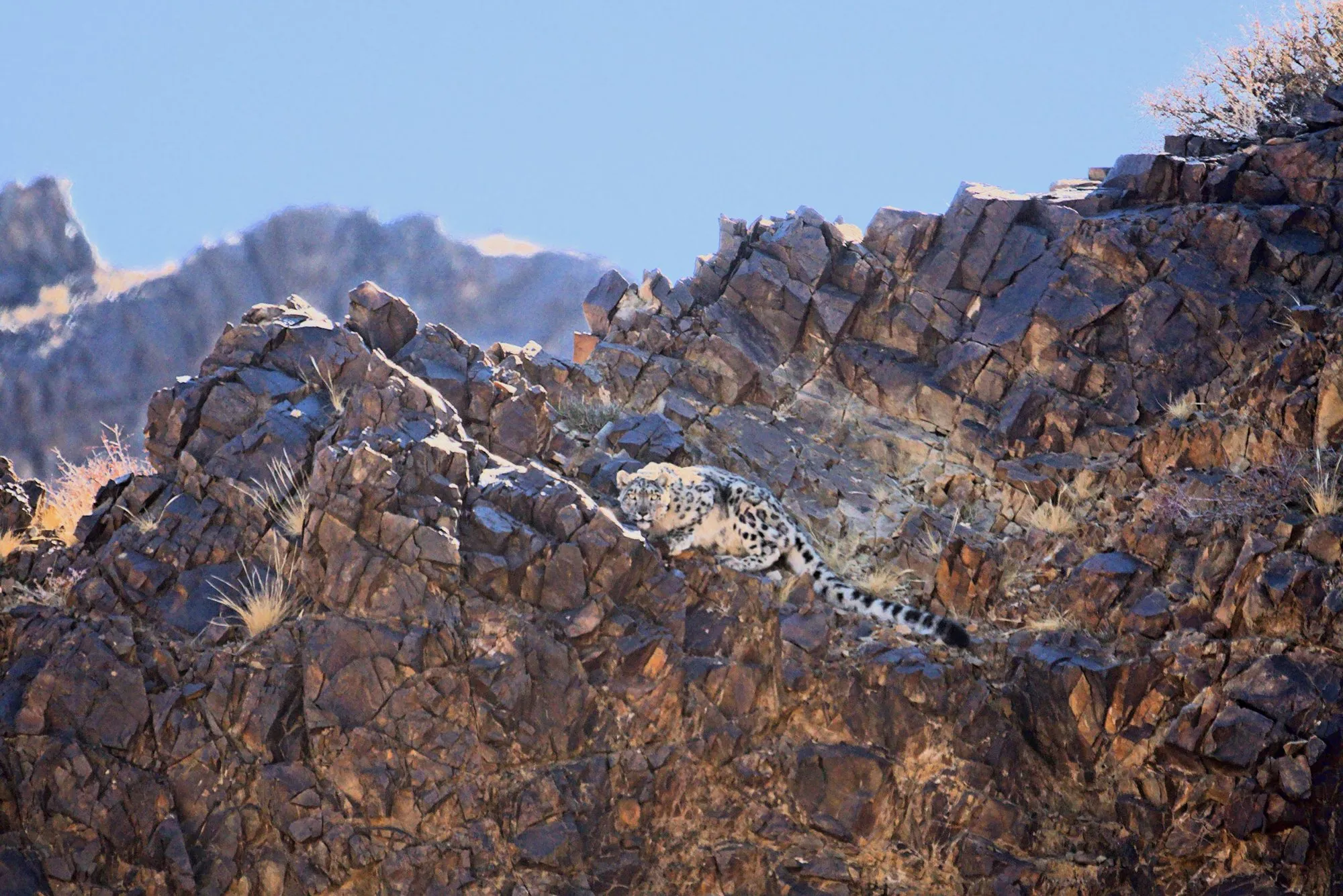
The heart of the journey is Tost Tosonbumba Nature Reserve, the first protected area in the world created specifically for snow leopards. There we spend three full days searching the mountains with local rangers, watching the ridges where the ibex, the leopard’s main prey, often show us where to look.
The full 14 Days version returns west after Tost Reserve, through the canyons of Hermen Tsav and the dunes of Khongoryn Els. The 12 days wildlife version drives straight back from Tost and is two days shorter.
When to come
- Spring and Autumn (April to June, September, October) – Best periods, cooler temperatures, best lights
- Summer (July & August) – Can be very hot during the day
- Winter (November to March) – Very cold
EquipmentWhat we provide, and what you need to bring
Conditions in Tost vary considerably between November, January and April. The essentials are listed below, and every traveller receives a season-specific packing guide before departure.
Provided by Artus Expeditions
- Shared spotting scopes and tripods
- Bedding and additional blankets at the camp
- Insulated sitting mats for long periods of observation
- Drinking water and hot drinks in the field
- A group first-aid kit
- Shared charging facilities for cameras and personal devices
You will need to bring
- Thermal base layers for both the upper and lower body
- A fleece or insulated mid-layer
- A warm insulated parka and windproof outer layer
- Warm, wind-resistant trousers
- Insulated and waterproof walking boots
- A warm hat, neck gaiter or balaclava
- Thin liner gloves and heavy insulated gloves or mittens
- Several pairs of warm wool socks
- Sunglasses, sunscreen and protective lip balm
- A small daypack
- A headlamp with spare batteries
- An insulated water bottle or thermos
- Personal medication, toiletries, hand sanitiser and wet wipes
- Power banks and spare batteries for electronic equipment
For photographers
- Camera and your longest available telephoto lens
- A stable tripod
- Spare batteries and memory cards
- Protection against dust, wind and occasional snow
Optional but useful
- Trekking poles
- Gaiters or traction aids
- Hand and foot warmers
- A lightweight pair of shoes for use inside the gers
Note for January trips
January departures require serious winter equipment. A long insulated parka, insulated trousers, heavy mittens and winter boots suitable for prolonged periods around −25°C are essential. We will review your equipment with you before departure.
Where it goes
For the best experience, we recommend viewing this map on a larger screen.
Natural Earth; Khövsgöl protected areas traced from the UTSPA map. Other areas shown at true area, not surveyed boundaries.
Where it goes
For the best experience, we recommend viewing this map on a larger screen.
Natural Earth; Khövsgöl protected areas traced from the UTSPA map. Other areas shown at true area, not surveyed boundaries.
Protected since 2016
Tost Tosonbumba Nature Reserve
7,000 km²— four and a half times the area of Greater London
The first protected area in the world created specifically for snow leopards. Its protection followed years of campaigning by local herders and conservationists, eventually removing mining from the reserve while allowing traditional herding to continue. Tost also links major protected landscapes across the South Gobi, forming an important corridor for snow leopards.
Day by day
The itinerary
Day 1
Ulaanbaatar to Ikh Nart
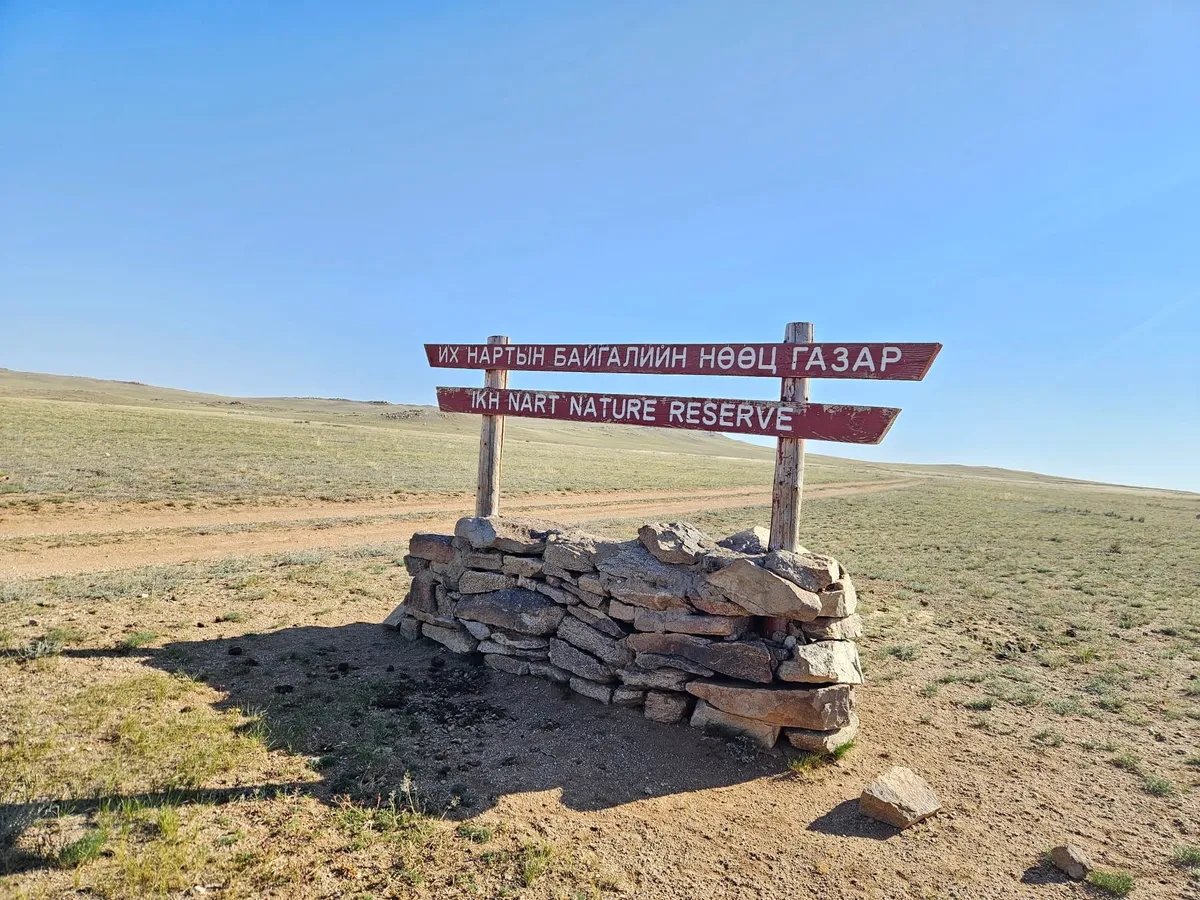
Leave Ulaanbaatar in the morning and drive south-east to Ikh Nart Nature Reserve. Little by little, the city gives way to open steppe, and you will start to see your first herders’ gers and herds.
Arrive in the afternoon among the granite hills of the reserve and settle into camp at the Ikh Nart Research Center. Before sunset, head out for a first wildlife observation, at a time of day when argali and Siberian ibex are most active.
Days 2–3
Two Full Days in Ikh Nart
The Ikh Nart reserve is located where the steppe meets the Gobi, and animals of both landscapes live here side by side: the Mongolian gazelle (a steppe species) and the goitered gazelle (a desert species), the corsac fox and the red fox.
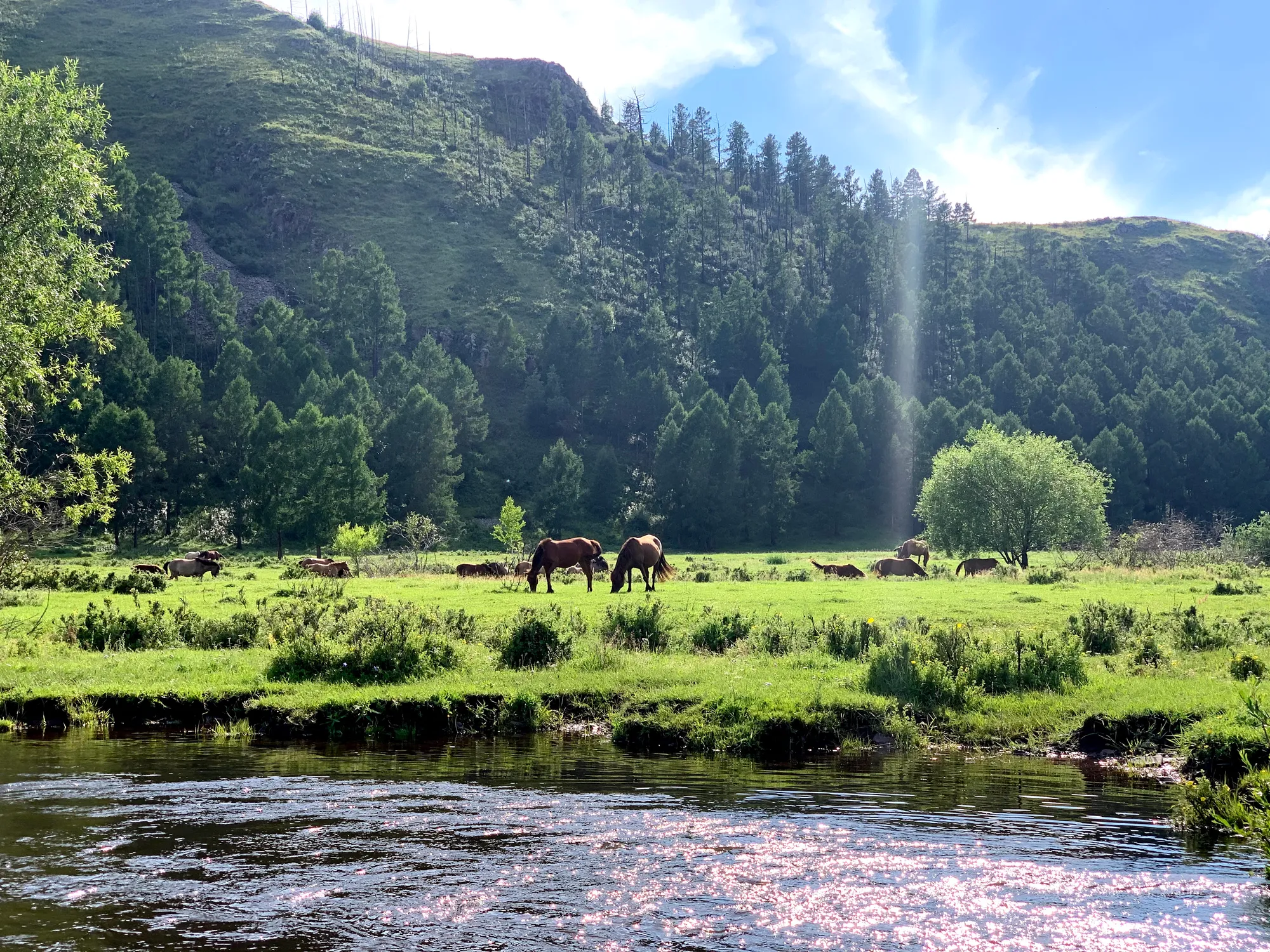
During the next two days, we will leave camp early each morning, when wildlife is most active, and spend the days looking for argali sheep, Siberian ibex and gazelles among the rocky hills and valleys of the reserve. The river flowing through the valley is a good place to hide and wait patiently, without being noticed, for the animals to come and drink. Cinereous vultures, golden eagles, saker falcons and marmots may also be seen.
Ikh Nart is also rich in archaeological sites, including ancient petroglyphs and burial sites.
Unless it is full, we stay at the reserve’s research camp, the base for the scientific work carried out in Ikh Nart since 1999. It is home to the longest-running study of argali in the world, begun by Denver Zoo with Mongolian scientists and led today by the Mongolian Conservation Initiative. Over the years, thanks to this protection work, argali and ibex numbers in the reserve have risen sharply, and Ikh Nart has become a model for protected areas across Mongolia.
Day 4
Ikh Nart to Ikh Gazriin Chuluu
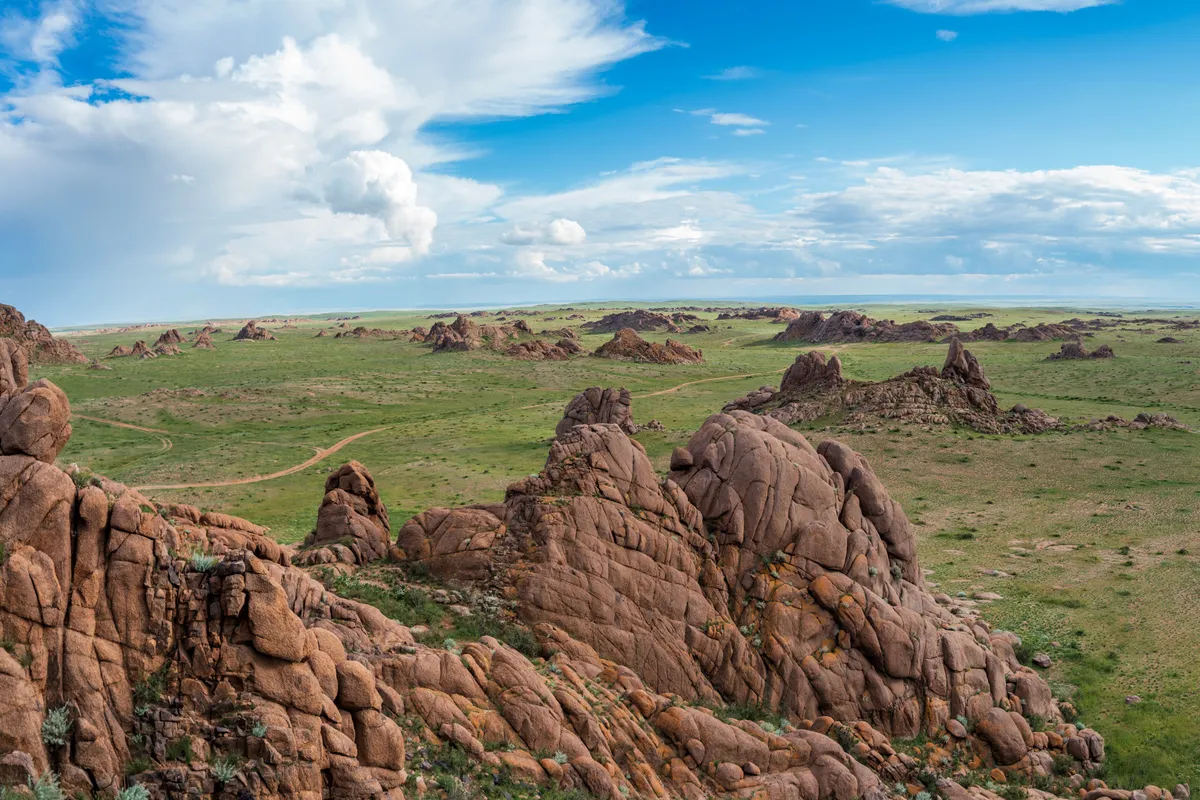
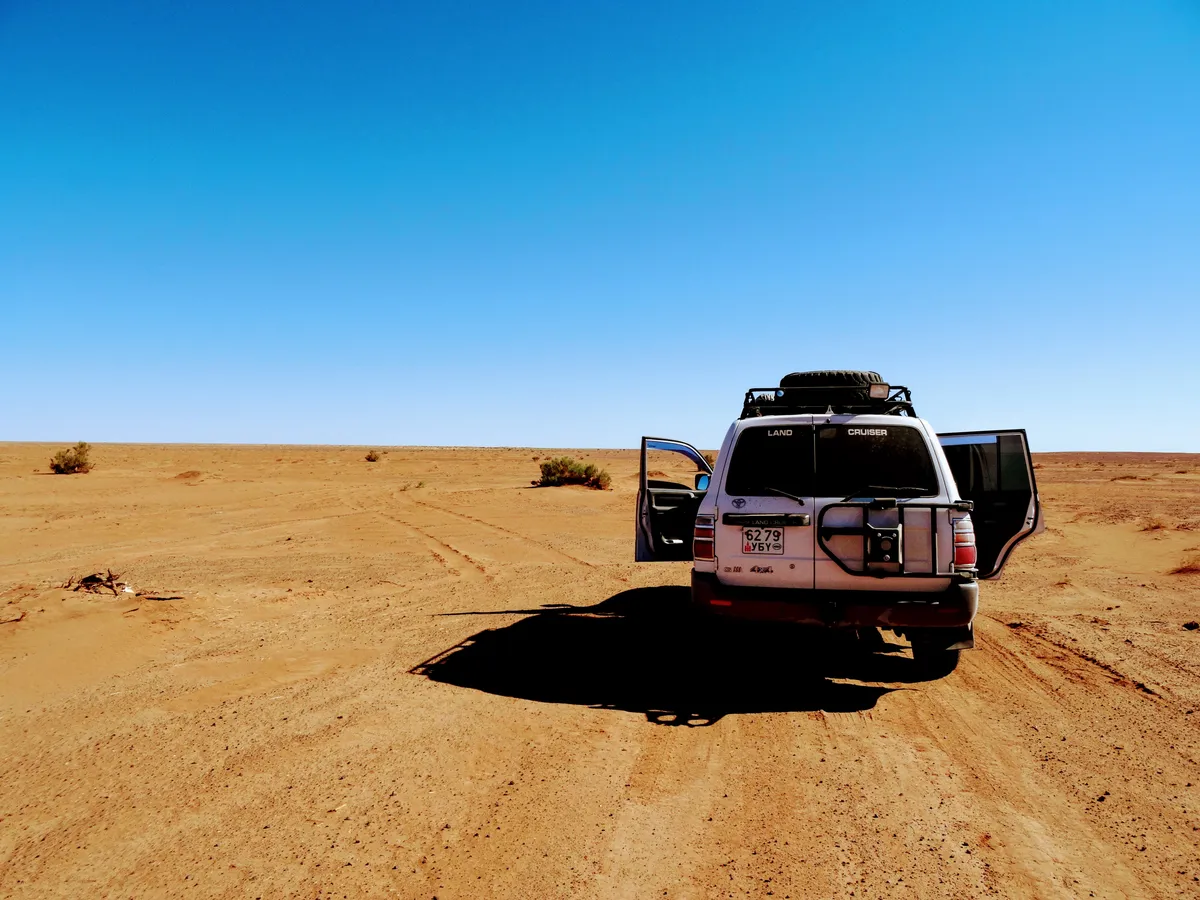
Leave Ikh Nart and drive west across the steppe to Ikh Gazriin Chuluu. Much of the route follows unpaved tracks.
After arriving, spend the afternoon walking among the granite formations and exploring some of the valleys and caves. We will also watch for argali, ibex and birds around the rocks before sunset.
Day 5
Ikh Gazriin Chuluu to Dalanzadgad
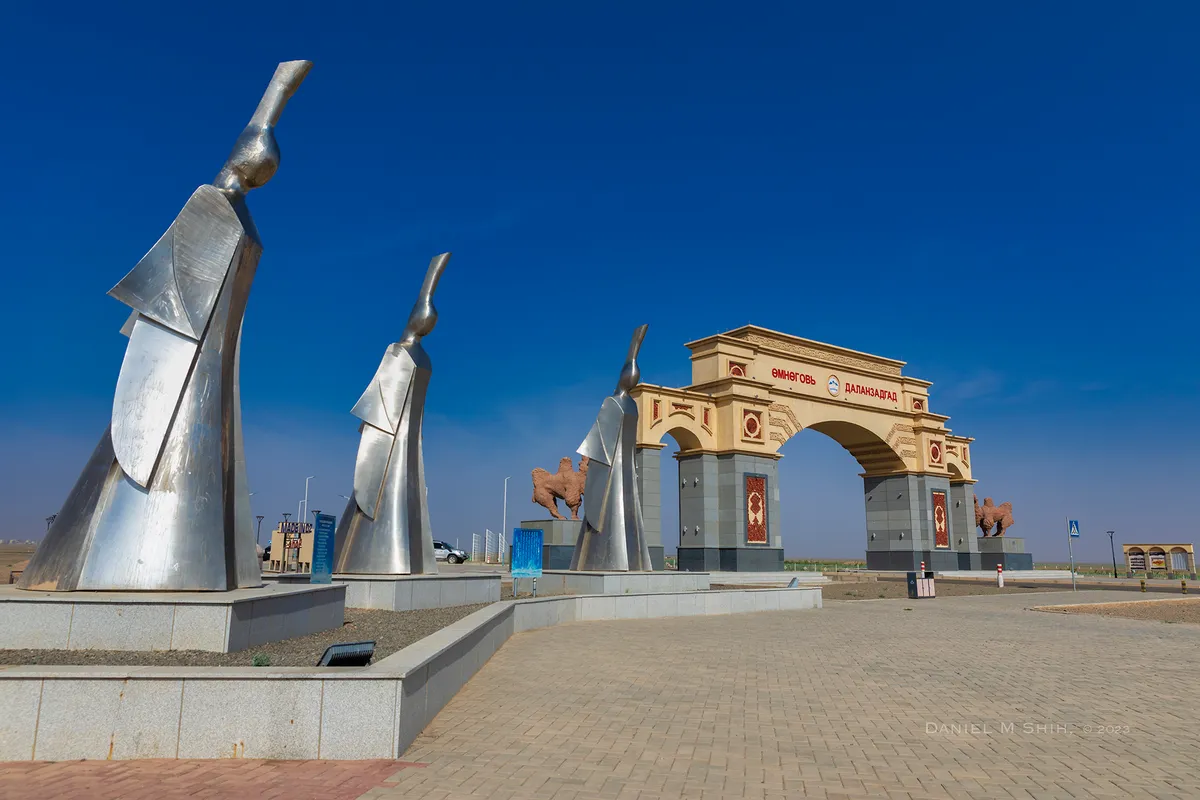
Spend the early morning around the granite formations of Ikh Gazriin Chuluu, then drive south to Mandalgovi, the capital of the Middle Gobi province.
From Mandalgovi, the road continues south across the Gobi. Little by little, the steppe gives way to wide, open plains, and the mountains of the South Gobi begin to appear on the horizon. Arrive in Dalanzadgad in the evening.
Day 6
Yolyn Am and Dalanzadgad
In the morning, we visit Dalanzadgad, the capital of the South Gobi province. The Gobi Museum of Nature and History, opened in 2022, is well worth the time: it presents dinosaur fossils found in the region, as well as archaeological finds from the Stone, Bronze and Iron Ages. We then stop at a small local market, where you can find products from the area.
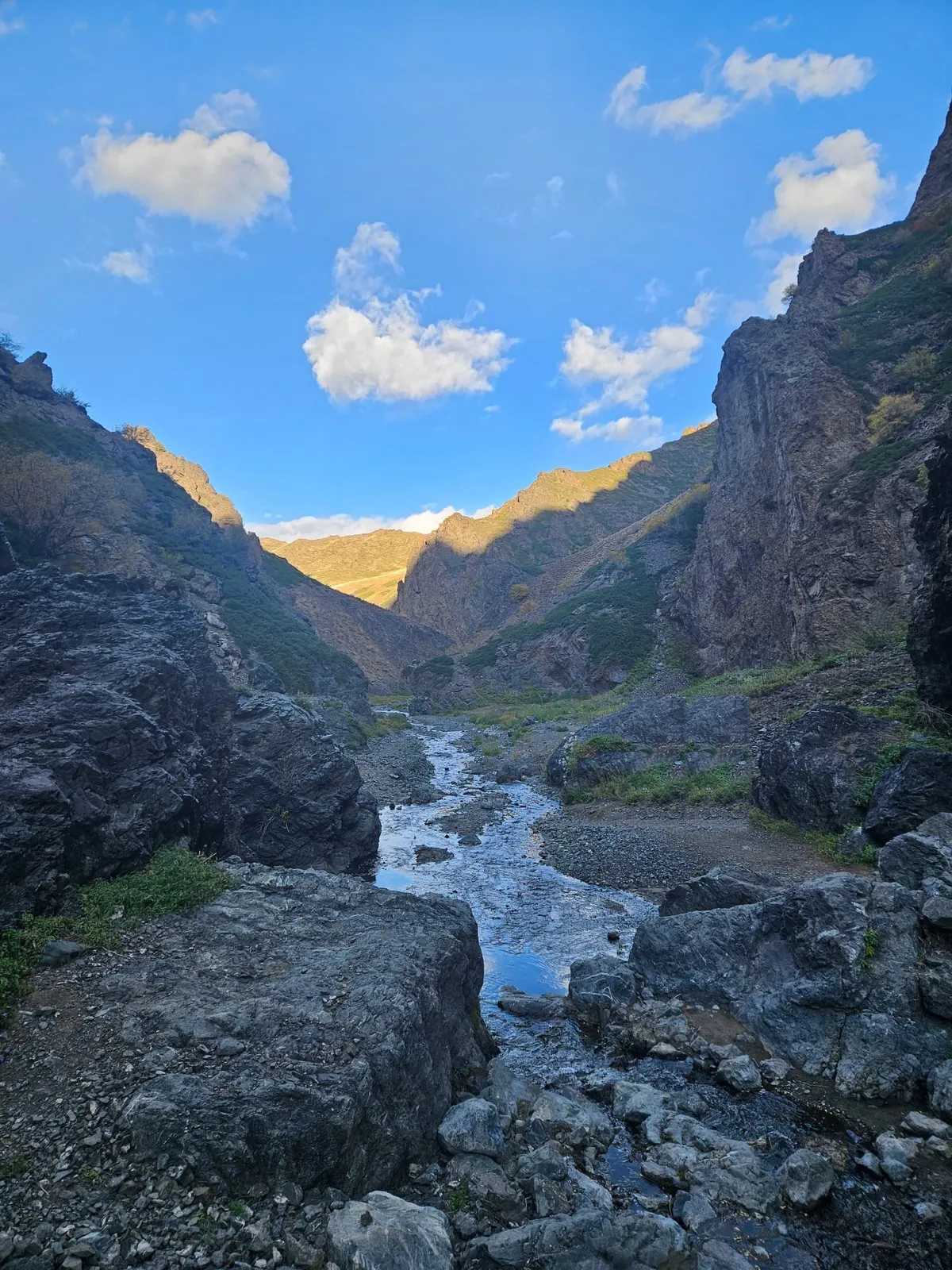
After lunch, spend the rest of the day exploring Yolyn Am, a narrow gorge in Gobi Gurvansaikhan National Park. We look for Siberian ibex on the rocky slopes and watch the cliffs for golden eagles, bearded vultures and cinereous vultures. Argali may also be seen in the area.
Day 7
Dalanzadgad to Gurvantes
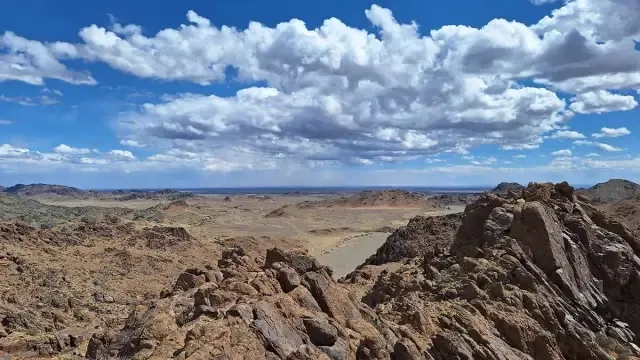
Drive west through Gurvantes before leaving the main road and continuing by track into Tost. Arrive at our camp in the afternoon, which will be our base for the next four nights.
Days 8–10
Three Full Days in Tost
Each morning, we leave camp before sunrise with a local ranger. The day’s route depends on recent tracks, wildlife movements and the weather.
Much of the day is spent quietly scanning the mountains through spotting scopes. We also walk the valley floors, looking for tracks, scrapes and other signs of snow leopard activity. Lunch is taken in the field, and we return to camp around dusk.
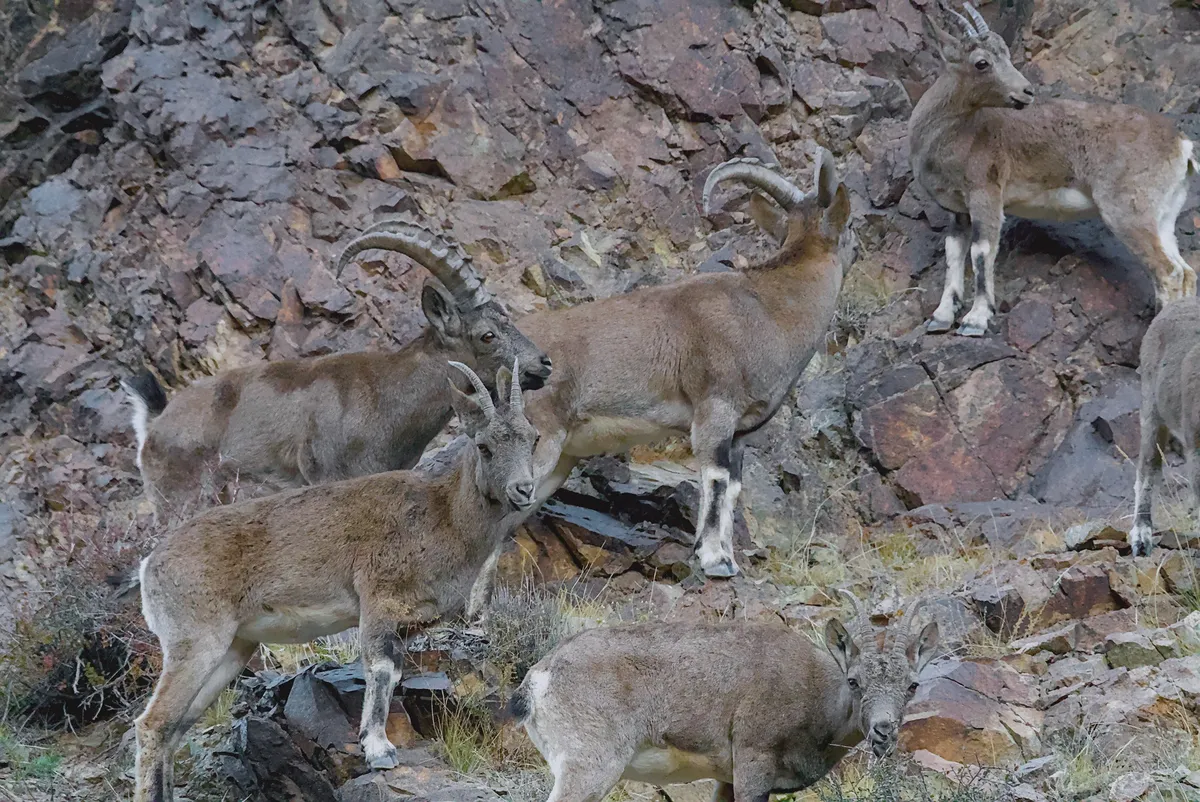
The snow leopard is not alone in these mountains. Siberian ibex are regularly seen on the ridges and cliffs, and as the leopard’s main prey, they often tell us where to look. Golden eagles, bearded vultures and cinereous vultures patrol the cliffs.
The valleys also hold petroglyphs: ancient carvings of ibex, other animals and human figures cut into the dark rock faces.
Sightings can never be guaranteed, but three full days give us time to search carefully and follow any fresh signs we find.
Day 11
Tost to Hermen Tsav
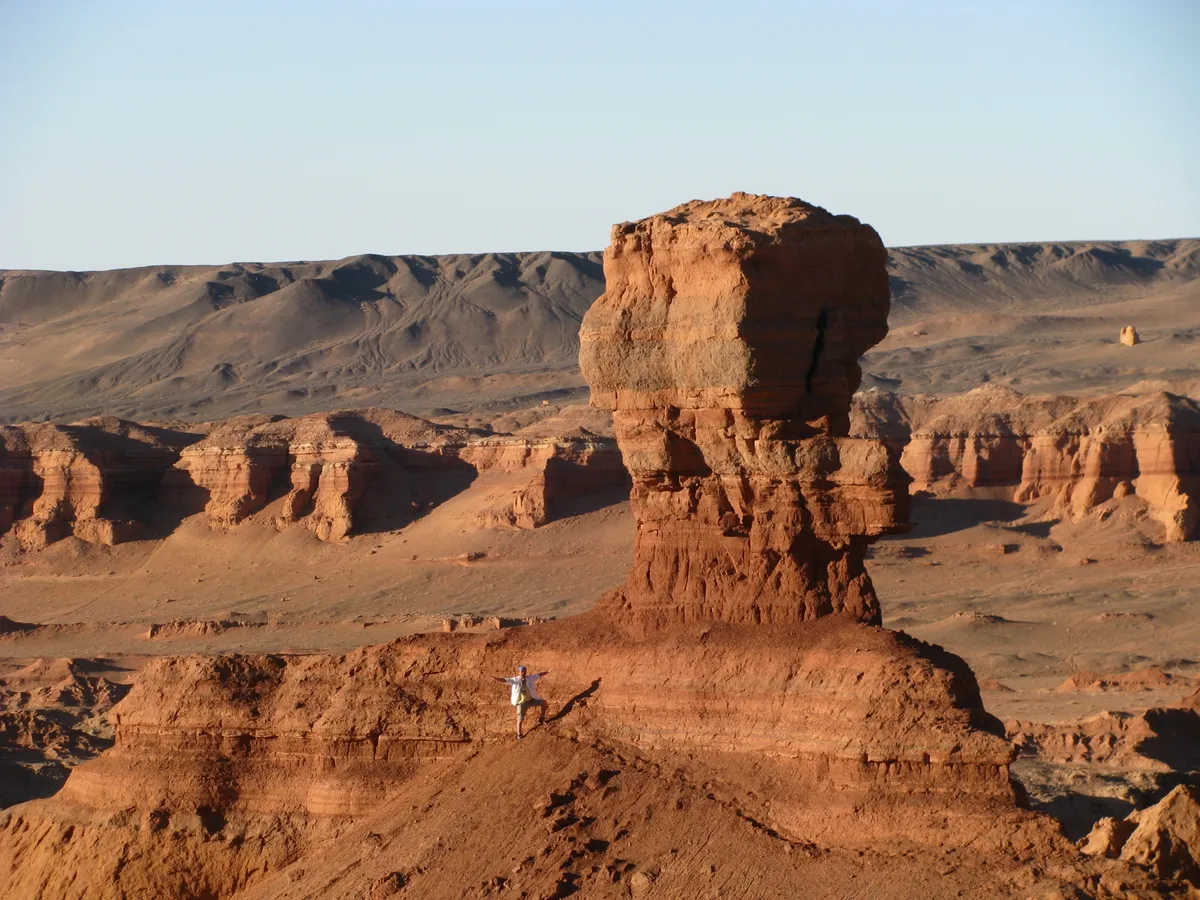
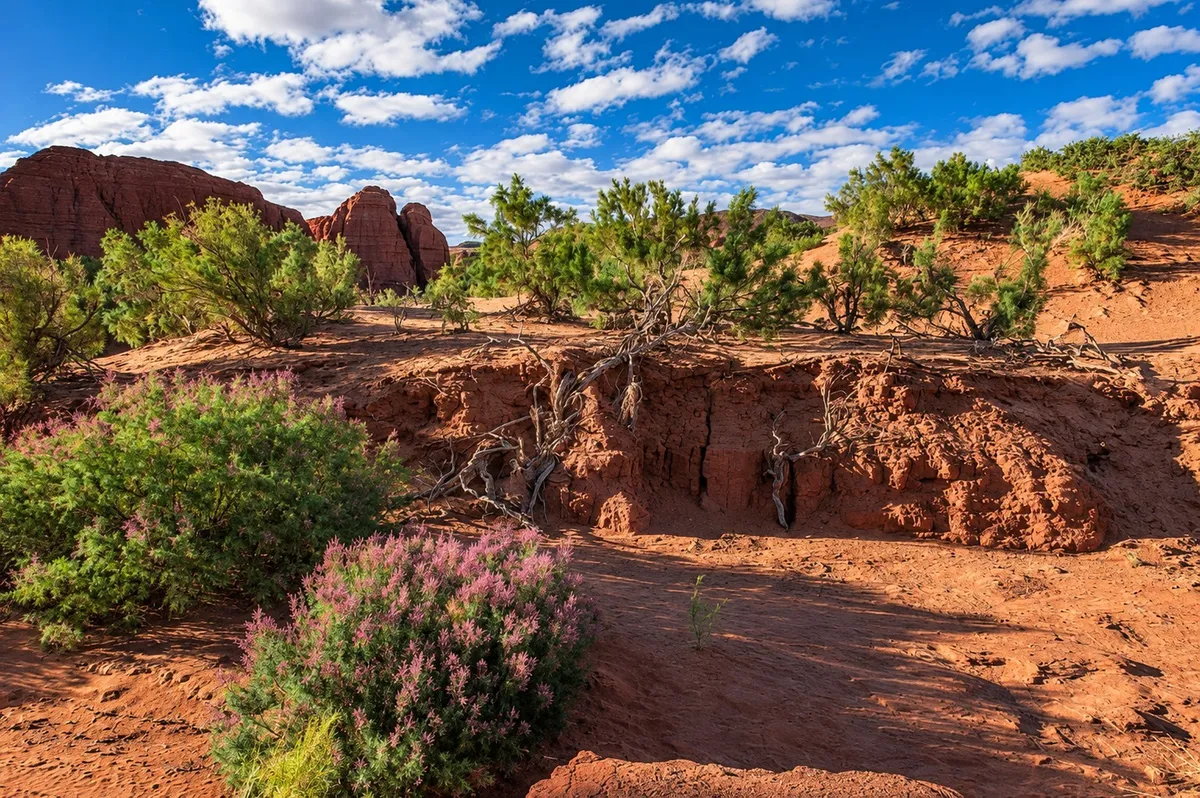
Leave Tost after breakfast and drive west across the desert to Hermen Tsav, a maze of red sandstone canyons and cliffs in one of the richest fossil regions of the Gobi.
The Gobi became famous for its dinosaurs in the 1920s, when the American explorer Roy Chapman Andrews led the Central Asiatic Expeditions across Mongolia and brought back nests of dinosaur eggs from the Flaming Cliffs of Bayanzag. Hermen Tsav was explored later by the Polish-Mongolian expeditions of the 1960s and 1970s, whose discoveries of dinosaurs, early mammals and lizards made it one of the best-known fossil sites in the Gobi.
Spend the late afternoon walking among the canyons as the light changes.
This day is flexible: if we have not yet seen a snow leopard, we can stay one more day in Tost.
Day 12
Hermen Tsav to Khongoryn Els
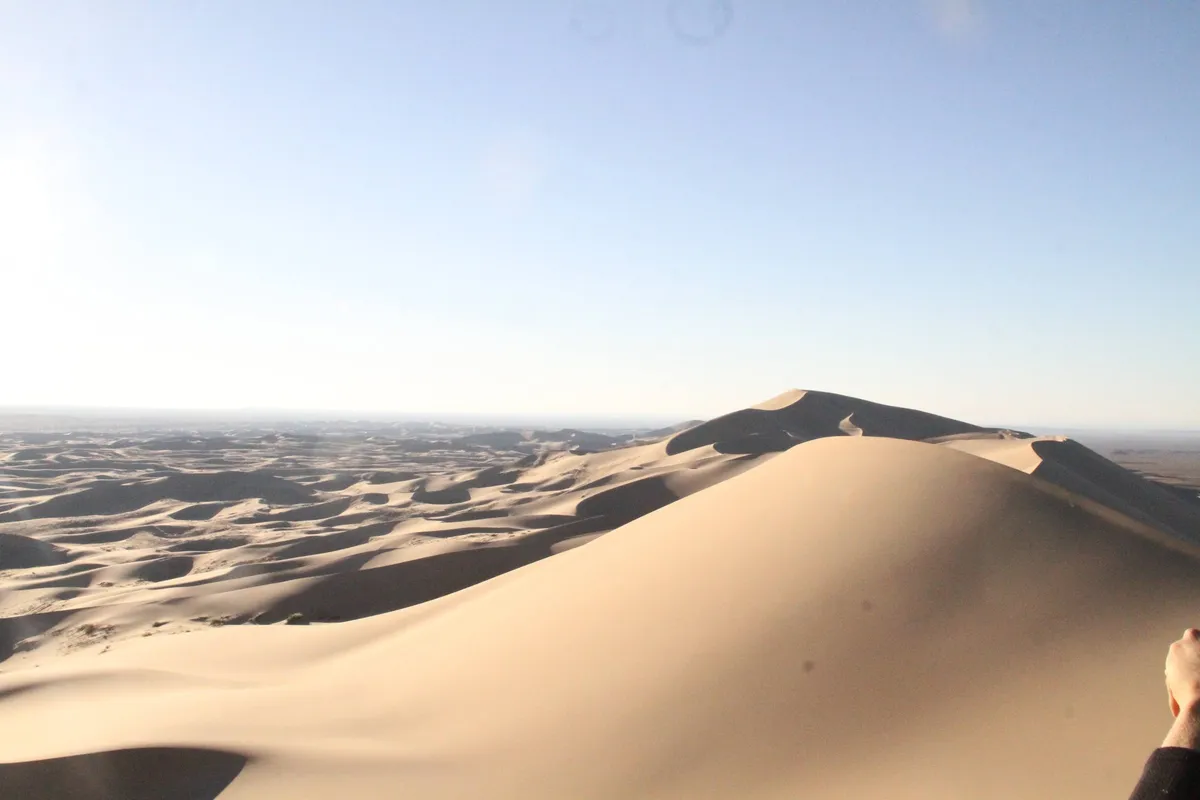
Leave Hermen Tsav after breakfast for a long day’s drive east across the open Gobi to Khongoryn Els, the largest sand dunes in Mongolia.
The dunes run for more than 100 kilometres along a valley of Gobi Gurvansaikhan National Park. The highest of them rise up to 300 metres.
Mongolians call them the singing sands : when the sand is dry and slides down a steep face, it gives off a deep hum, often compared to a distant aircraft.
We will arrive in the afternoon, with time to climb the dunes before sunset. The climb is slow on loose sand, but from the top the view takes in the whole sea of dunes and the mountains beyond.
Day 13
Khongoryn Els to Dalanzadgad
Spend the early morning on the dunes before driving east along the mountains of Gobi Gurvansaikhan National Park to Dalanzadgad.
Day 14
Dalanzadgad to Ulaanbaatar
Drive north to Ulaanbaatar, arriving in the capital in the early evening.
Day 1
Ulaanbaatar to Ikh Nart
Leave Ulaanbaatar in the morning and drive south-east to Ikh Nart Nature Reserve. Little by little, the city gives way to open steppe, and you will start to see your first herders’ gers and herds.
Arrive in the afternoon among the granite hills of the reserve and settle into camp at the Ikh Nart Research Center. Before sunset, head out for a first wildlife observation, at a time of day when argali and Siberian ibex are most active.
Days 2–3
Two Full Days in Ikh Nart
The Ikh Nart reserve is located where the steppe meets the Gobi, and animals of both landscapes live here side by side: the Mongolian gazelle (a steppe species) and the goitered gazelle (a desert species), the corsac fox and the red fox.
During the next two days, we will leave camp early each morning, when wildlife is most active, and spend the days looking for argali sheep, Siberian ibex and gazelles among the rocky hills and valleys of the reserve. The river flowing through the valley is a good place to hide and wait patiently, without being noticed, for the animals to come and drink. Cinereous vultures, golden eagles, saker falcons and marmots may also be seen.
Ikh Nart is also rich in archaeological sites, including ancient petroglyphs and burial sites.
Unless it is full, we stay at the reserve’s research camp, the base for the scientific work carried out in Ikh Nart since 1999. It is home to the longest-running study of argali in the world, begun by Denver Zoo with Mongolian scientists and led today by the Mongolian Conservation Initiative. Over the years, thanks to this protection work, argali and ibex numbers in the reserve have risen sharply, and Ikh Nart has become a model for protected areas across Mongolia.
Day 4
Ikh Nart to Ikh Gazriin Chuluu
Leave Ikh Nart and drive west across the steppe to Ikh Gazriin Chuluu. Much of the route follows unpaved tracks.
After arriving, spend the afternoon walking among the granite formations and exploring some of the valleys and caves. We will also watch for argali, ibex and birds around the rocks before sunset.
Day 5
Ikh Gazriin Chuluu to Dalanzadgad
Spend the early morning around the granite formations of Ikh Gazriin Chuluu, then drive south to Mandalgovi, the capital of the Middle Gobi province.
From Mandalgovi, the road continues south across the Gobi. Little by little, the steppe gives way to wide, open plains, and the mountains of the South Gobi begin to appear on the horizon. Arrive in Dalanzadgad in the evening.
Day 6
Yolyn Am and Dalanzadgad
In the morning, we visit Dalanzadgad, the capital of the South Gobi province. The Gobi Museum of Nature and History, opened in 2022, is well worth the time: it presents dinosaur fossils found in the region, as well as archaeological finds from the Stone, Bronze and Iron Ages. We then stop at a small local market, where you can find products from the area.
After lunch, spend the rest of the day exploring Yolyn Am, a narrow gorge in Gobi Gurvansaikhan National Park. We look for Siberian ibex on the rocky slopes and watch the cliffs for golden eagles, bearded vultures and cinereous vultures. Argali may also be seen in the area.
Day 7
Dalanzadgad to Gurvantes
Drive west through Gurvantes before leaving the main road and continuing by track into Tost. Arrive at our camp in the afternoon, which will be our base for the next four nights.
Days 8–10
Three Full Days in Tost
Each morning, we leave camp before sunrise with a local ranger. The day’s route depends on recent tracks, wildlife movements and the weather.
Much of the day is spent quietly scanning the mountains through spotting scopes. We also walk the valley floors, looking for tracks, scrapes and other signs of snow leopard activity. Lunch is taken in the field, and we return to camp around dusk.
The snow leopard is not alone in these mountains. Siberian ibex are regularly seen on the ridges and cliffs, and as the leopard’s main prey, they often tell us where to look. Golden eagles, bearded vultures and cinereous vultures patrol the cliffs.
The valleys also hold petroglyphs: ancient carvings of ibex, other animals and human figures cut into the dark rock faces.
Sightings can never be guaranteed, but three full days give us time to search carefully and follow any fresh signs we find.
Day 11
Tost to Dalanzadgad
Leave Tost after breakfast and drive back across the Gobi to Dalanzadgad. Arrival is expected in the late afternoon or evening, depending on conditions.
Day 12
Dalanzadgad to Ulaanbaatar
Drive north to Ulaanbaatar, arriving in the capital in the early evening.
Your expedition
What is included :
Included
- All ground transport in Mongolia, using our own vehicles and drivers, with fuel included
- All accommodation listed in the itinerary
- All meals and drinking water throughout the expedition
- Your expedition guide, together with the local rangers, trackers and spotters who work with us
- All park and reserve entry fees and permits
- Airport transfers in Ulaanbaatar on the scheduled arrival and departure days
- All camping and cooking equipment required by the itinerary
Not included
- International flights to and from Ulaanbaatar
- Optional domestic flights offered instead of an overland journey
- Travel insurance, which is required and must cover medical evacuation
- Visa fees, where applicable
- Alcoholic drinks and personal expenses
- Optional activities or services not listed in the itinerary
Key species
Wildlife to look for on this expedition
Regular
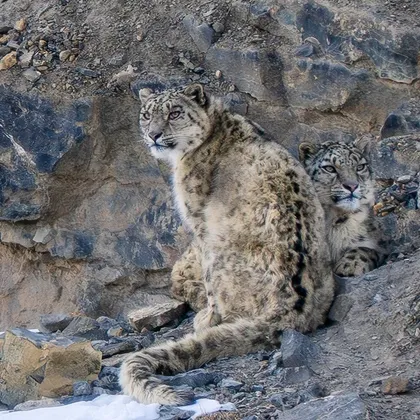
Snow leopardPanthera unciaRegular 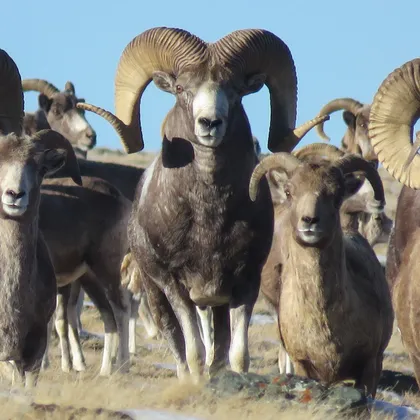
ArgaliOvis ammonRegular 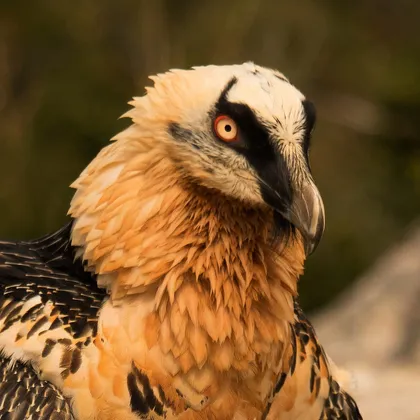
Bearded vultureGypaetus barbatusRegular 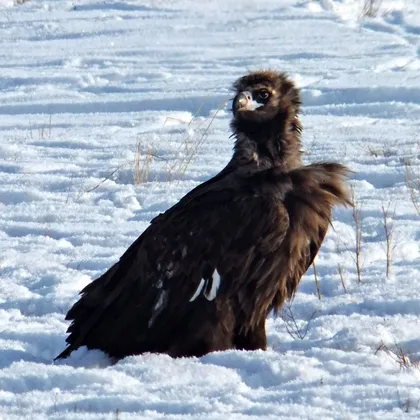
Cinereous vultureAegypius monachusRegular 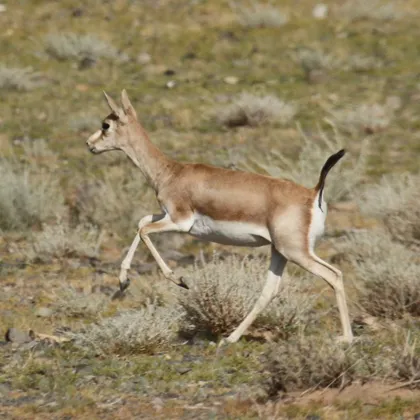
Goitered gazelleGazella subgutturosaRegular 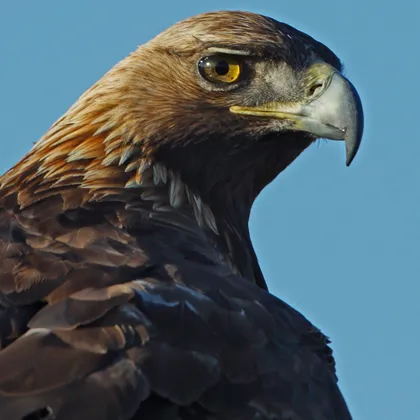
Golden eagleAquila chrysaetosRegular 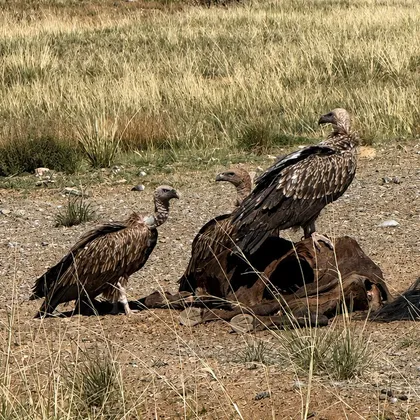
Himalayan vultureGyps himalayensisRegular 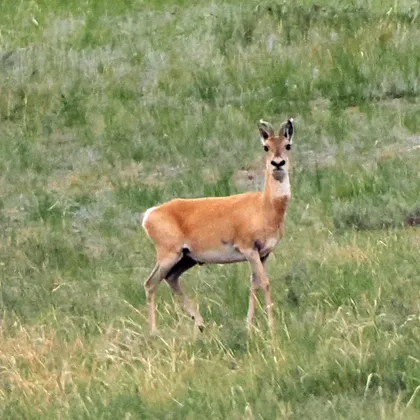
Mongolian gazelleProcapra gutturosaRegular 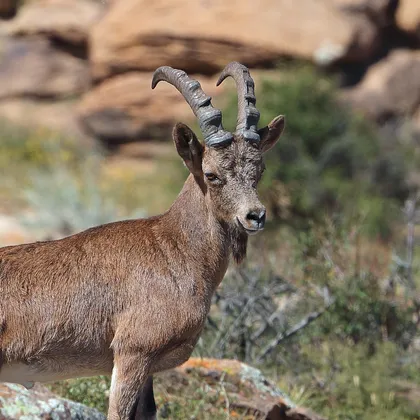
Siberian ibexCapra sibiricaRegular
Rare
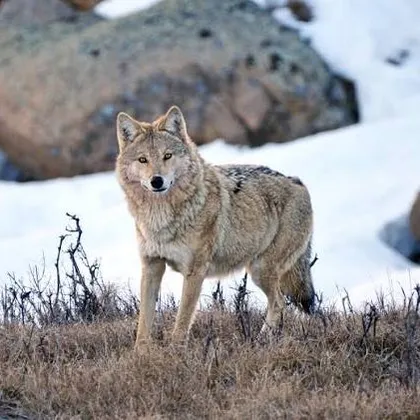
Grey wolfCanis lupusRare 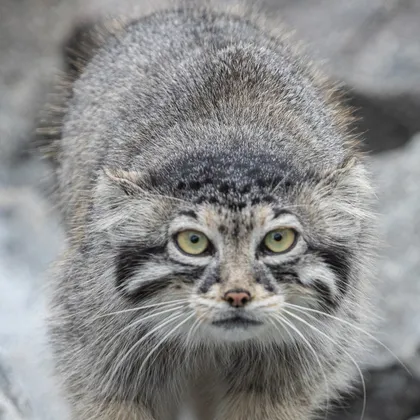
Pallas's catOtocolobus manulRare 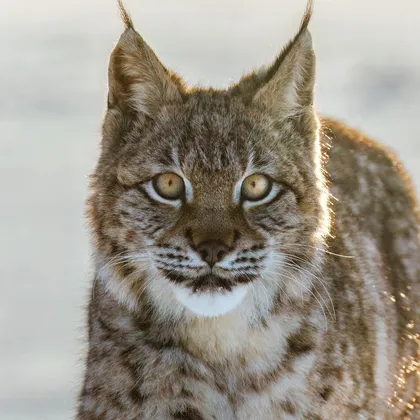
Eurasian lynxLynx lynxRare
How we watch
Watching without disturbing
We keep our distance, never bait or call animals, and do not use drones. In the field, we follow the guidance of the local rangers and researchers working with us. Every traveller is briefed before the expedition.
Sightings are never guaranteed. The welfare of the animal always comes before the photograph.
Ask us anything about this trip
Dates, fitness, cold, cameras, or what happens if the weather closes in. We answer these ourselves.