
Field report · Tsaatan Expedition
Nine days in the northern taiga — Tsaatan Expedition, July 2026
From 13 to 21 July, we accompanied five travellers from New Zealand on a nine-day journey from Ulaanbaatar to the West Taiga. After travelling north through Amarbayasgalant, Mörön and the Darkhad Valley, we continued on horseback to spend three nights with Tsaatan families. During our stay, the group was invited to a shamanic ceremony in the forest and attended a local Naadam the following day.
- Departure
- 13 July 2026
- Region
- Darkhad Valley and the West Taiga, Ulaan Taiga Protected Area, Khövsgöl
- Duration
- 9 days
- Group
- 5 travellers
- Guides
- Tsendsuren Shukhert, Arthur Davies
- Weather
- Very good throughout: sunny, warm but not hot, and no rain.
Route — Ulaanbaatar · Amarbayasgalant · Mörön · Ulaan-Uul · West Taiga · Mörön · Ulaanbaatar. Three nights with the Tsaatan families.
From 13 to 21 July, we travelled north from Ulaanbaatar with five travellers from New Zealand. Our destination was a summer camp of Tsaatan reindeer herders in the West Taiga, in the Ulaan-Taiga Protected Area, beyond the Darkhad Valley. Reaching it took several days by road and a final stage on horseback.
We stayed for three nights, giving us two full days in camp. This allowed us to spend time with the Tsaatan families, learn about their customs and better understand their daily life in the taiga. During our time in the north, we were also invited to attend a shamanic ceremony in the forest at night. The following day, we joined a local Naadam.
This was first of all a cultural journey. The reindeer are domestic animals belonging to the families who live with and care for them. The purpose of the expedition was not to count sightings, but to understand something of the place, the journey required to reach it and the daily life of our hosts.
Getting there
We left Ulaanbaatar on 13 July and drove north to Amarbayasgalant Monastery, one of Mongolia’s most important Buddhist monasteries. We visited the temples and spent some time meeting the monks before staying nearby for the night. The stop broke up the long road to Mörön and gave the group time to settle into the pace of the journey.
The following day, we continued to Mörön, the main town of Khövsgöl Province. It was our last major stop before the rougher roads west. From there, distances are better measured in hours than kilometres. The surface changes, progress slows and the day’s plan depends on the condition of the track.
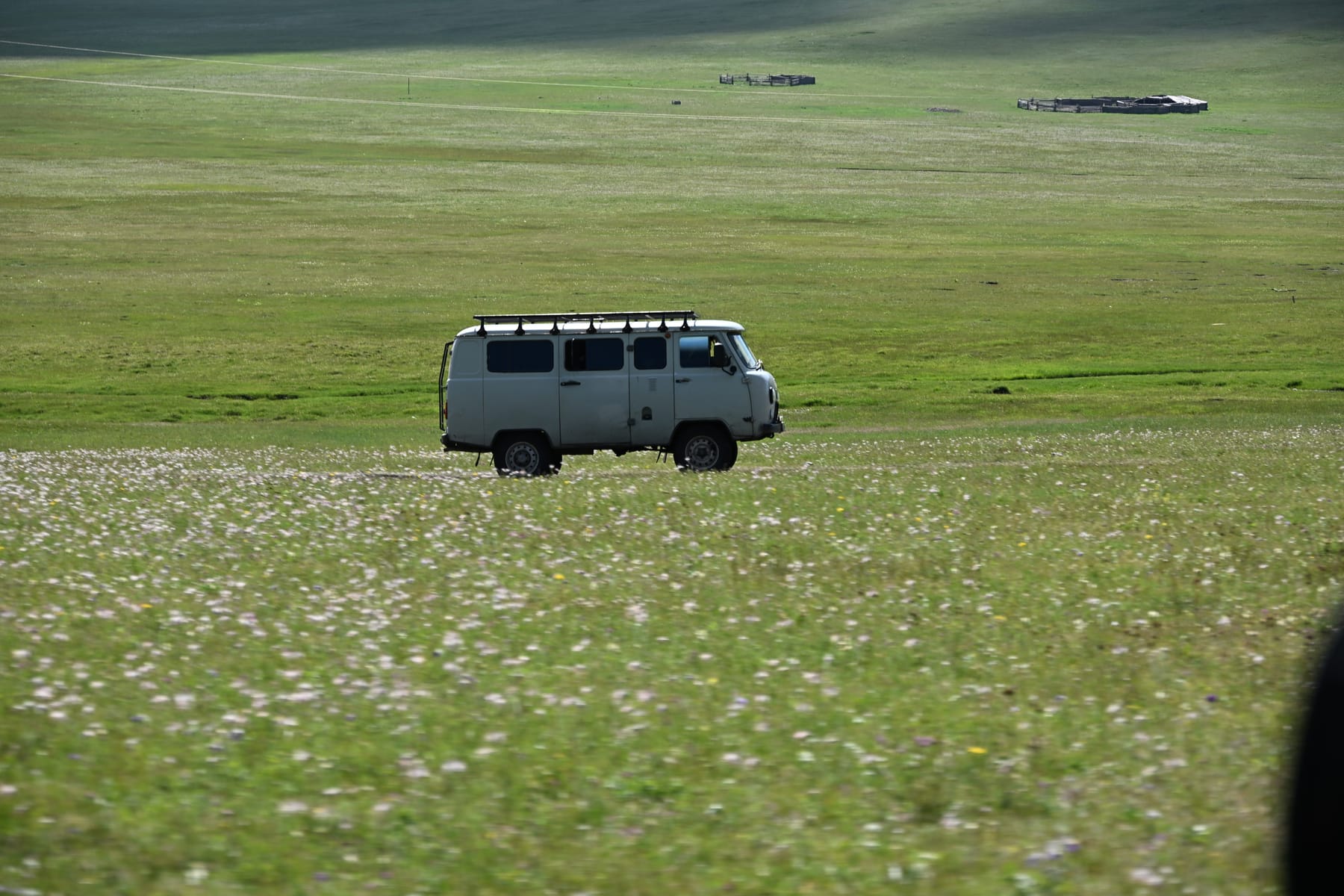
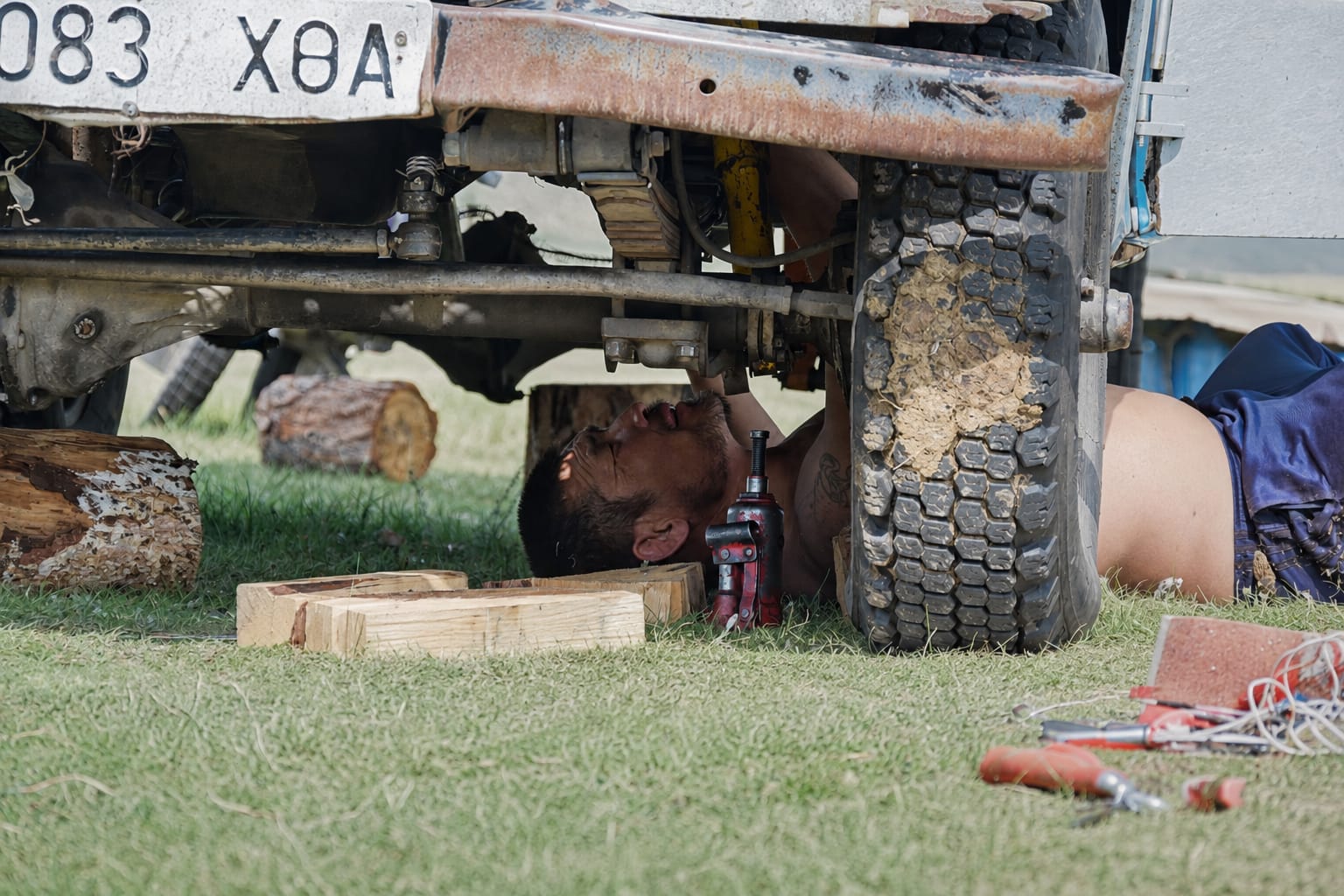
From Mörön we continued towards Ulaan-Uul and the Darkhad Valley, with off-road tracks, river crossings and slower travel. Villages became fewer and phone coverage less reliable. This long approach is not separate from the expedition: it is part of understanding how far the taiga lies from the capital and from the routes most visitors use.
With Shukhert in the Darkhad Valley
Near Ulaan-Uul, we stopped at the home of Shukhert, our local guide for the journey into the taiga. Born and raised in the Darkhad Valley, he knows its horses, tracks and changing conditions from long experience. He helped organise the animals, prepare the next stage and connect the road journey with the route we would follow to the taiga.
The stop also gave the group a more gradual transition. After several days on the road, we were now travelling with someone for whom this was home. Time with Shukhert and his family placed the journey in its local setting before we moved deeper into the taiga.
The final stage on horseback
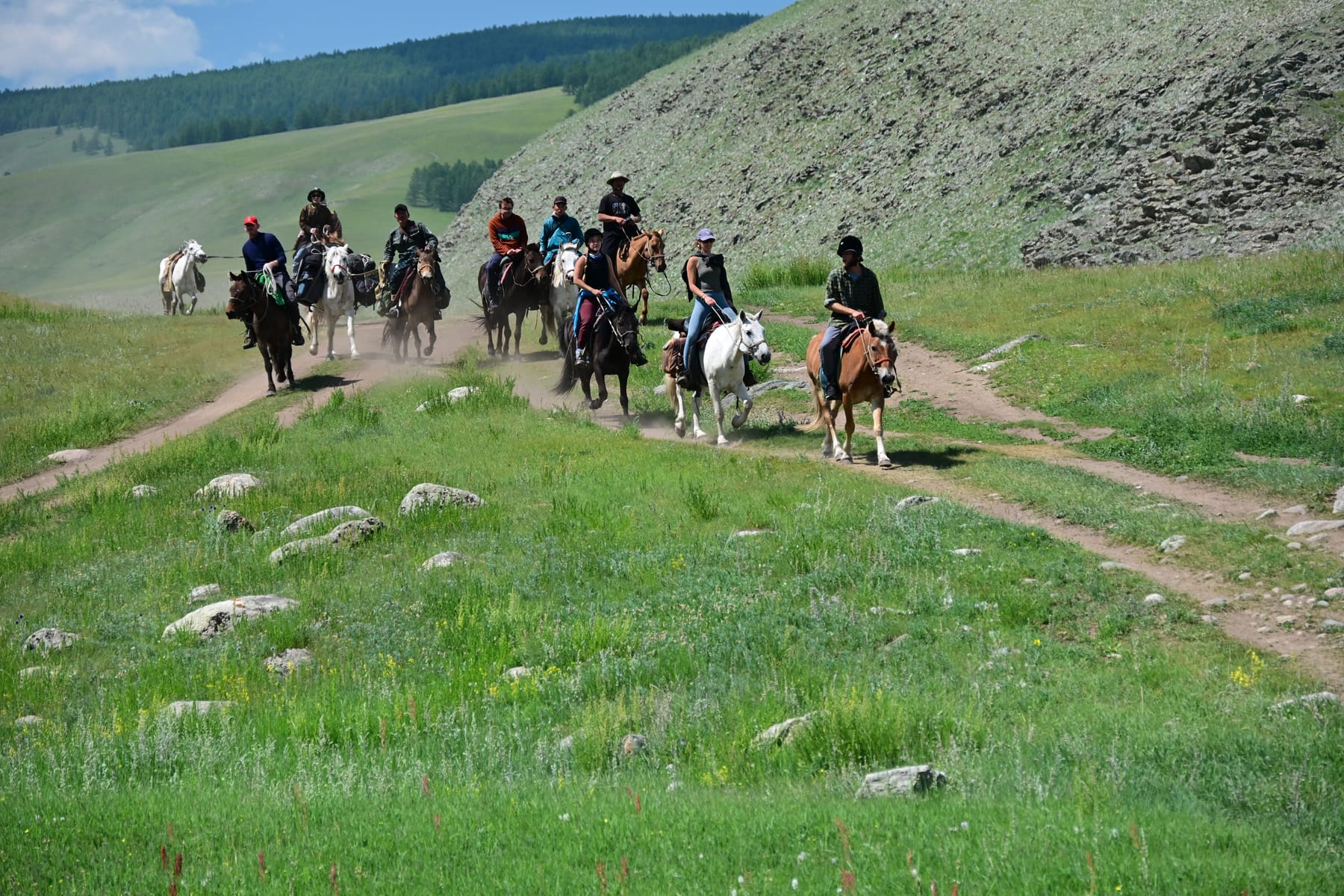
The next morning, we drove for as long as the track allowed and continued on horseback for roughly five hours. The route crossed wet ground, forest and open valleys. Progress was steady rather than fast.
Several hours in the saddle are a real part of this expedition, especially for travellers who do not ride regularly. The horses, however, are accustomed to the ground, and Shukhert set a careful pace. As we moved away from the vehicle track, larch forest became more present and signs of permanent settlement disappeared. By the time we reached the camp, the road from Ulaanbaatar felt a long way behind us.
Three nights with the Tsaatan families
We spent three nights at the summer camp. This meant two full days without having to arrive and leave almost at once. The pace was set by life in the camp and the daily activities.
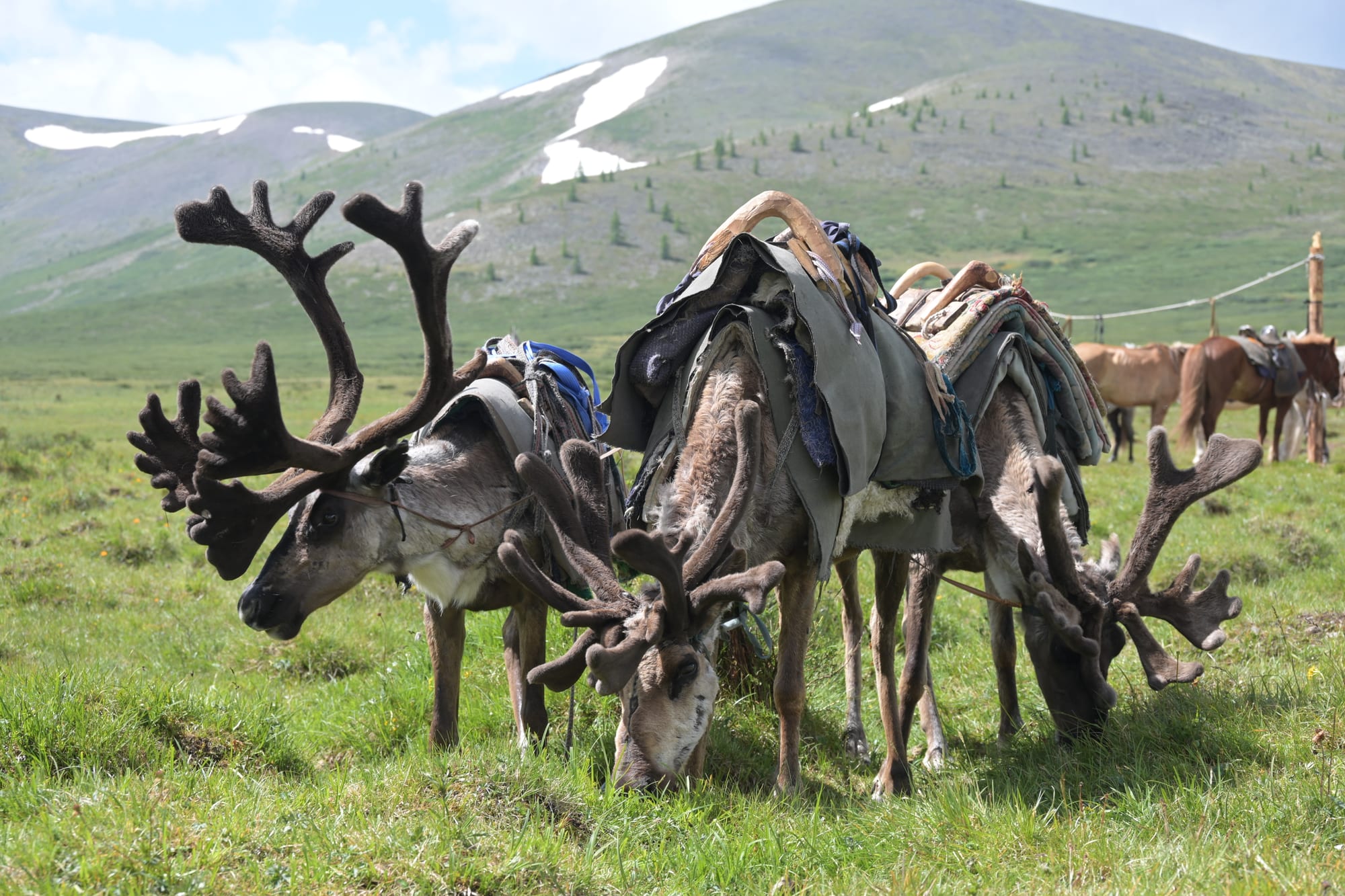
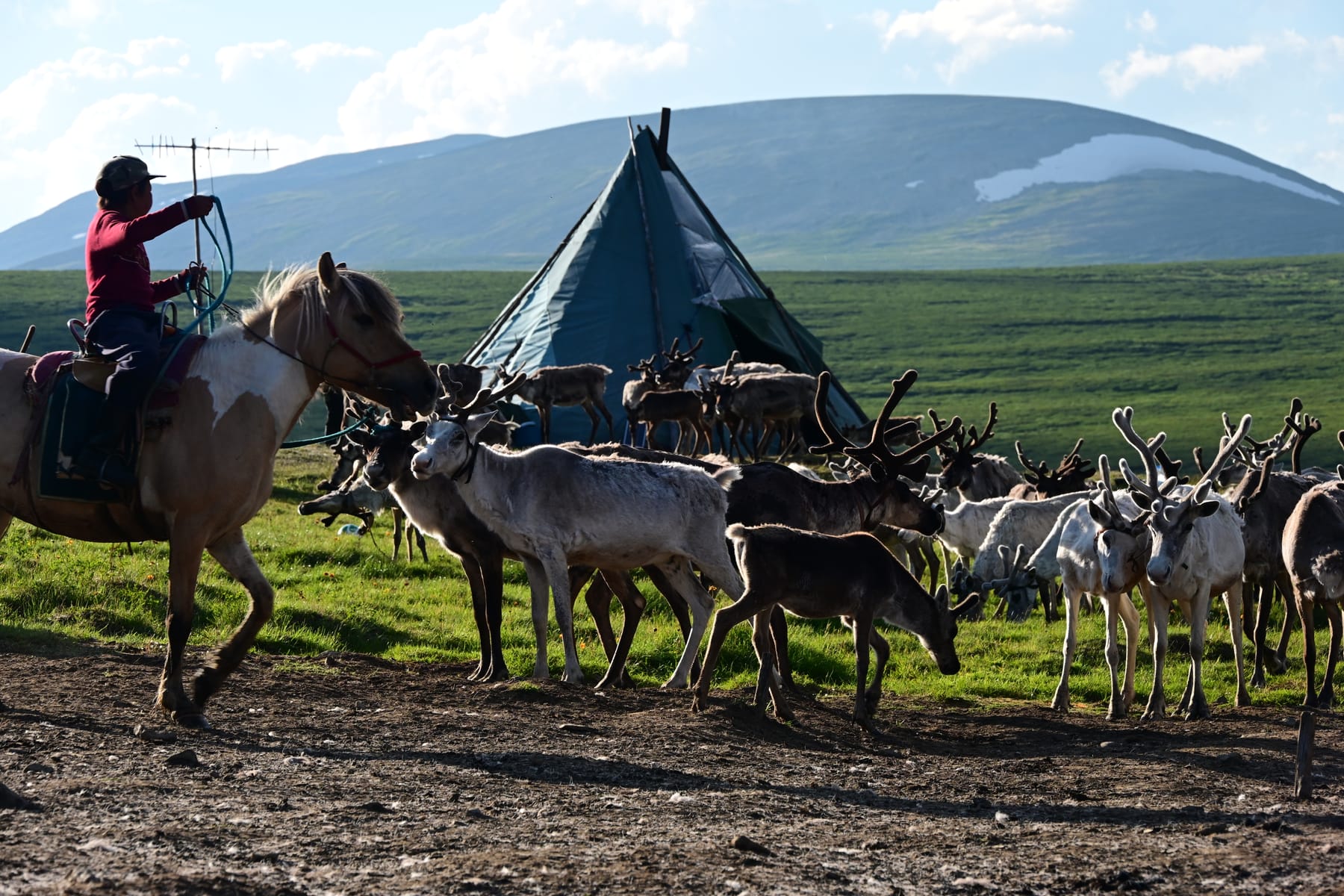
There was time to meet the families, watch the reindeer around the camp and see some of the daily work involved in caring for them. The animals move freely, but their care is constant. They are checked, brought in when needed and moved according to grazing conditions and the season.
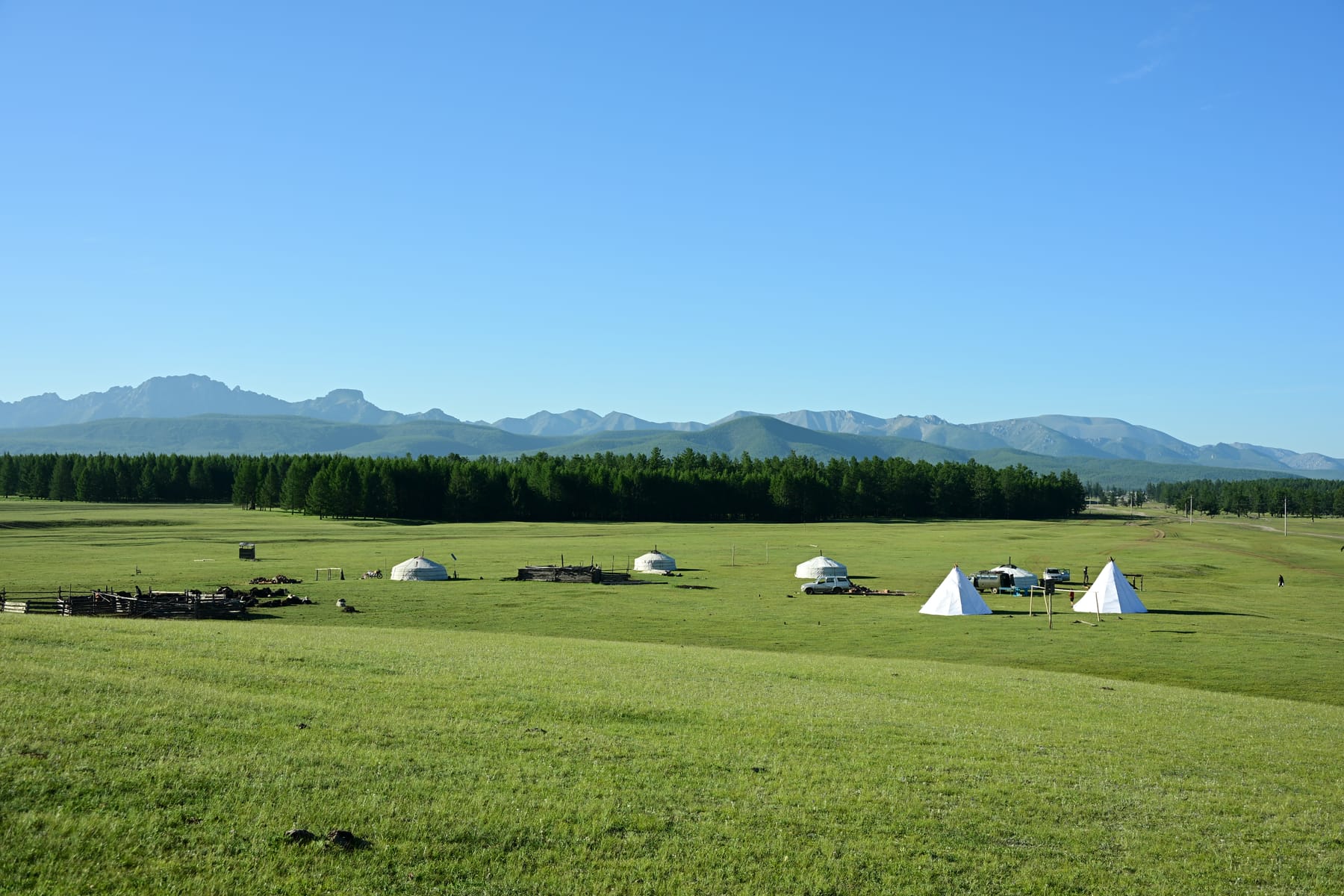
We slept in a teepee, the conical dwelling used in the taiga. Conditions were simple: shared space, a stove, limited washing facilities and no phone connection to rely on. Here, comfort means being warm, dry, fed and looked after, rather than having the facilities of a hotel.
The length of the stay also left room for quieter moments. Not every hour needed to be organised. Time around camp, short walks into the hills and conversations through our guides were part of the experience. Three nights do not make visitors part of the community, but they allow a more patient and honest encounter than a short stop.
A ceremony in the forest
One evening, we were invited to attend a shamanic ceremony held after dark in the forest. The invitation was made possible through the trust Shukhert had built with the people involved.
With explanations and translations from Shukhert and Arthur, who was guiding the expedition, the travellers could understand what was happening throughout the ceremony. They also had time to speak with the shaman and ask the questions that mattered to them, turning the evening into a real exchange rather than something they simply observed.
This was a special part of this journey and cannot be guaranteed on future departures. Any photographs we publish will respect the wishes and privacy of everyone involved.
A local Naadam
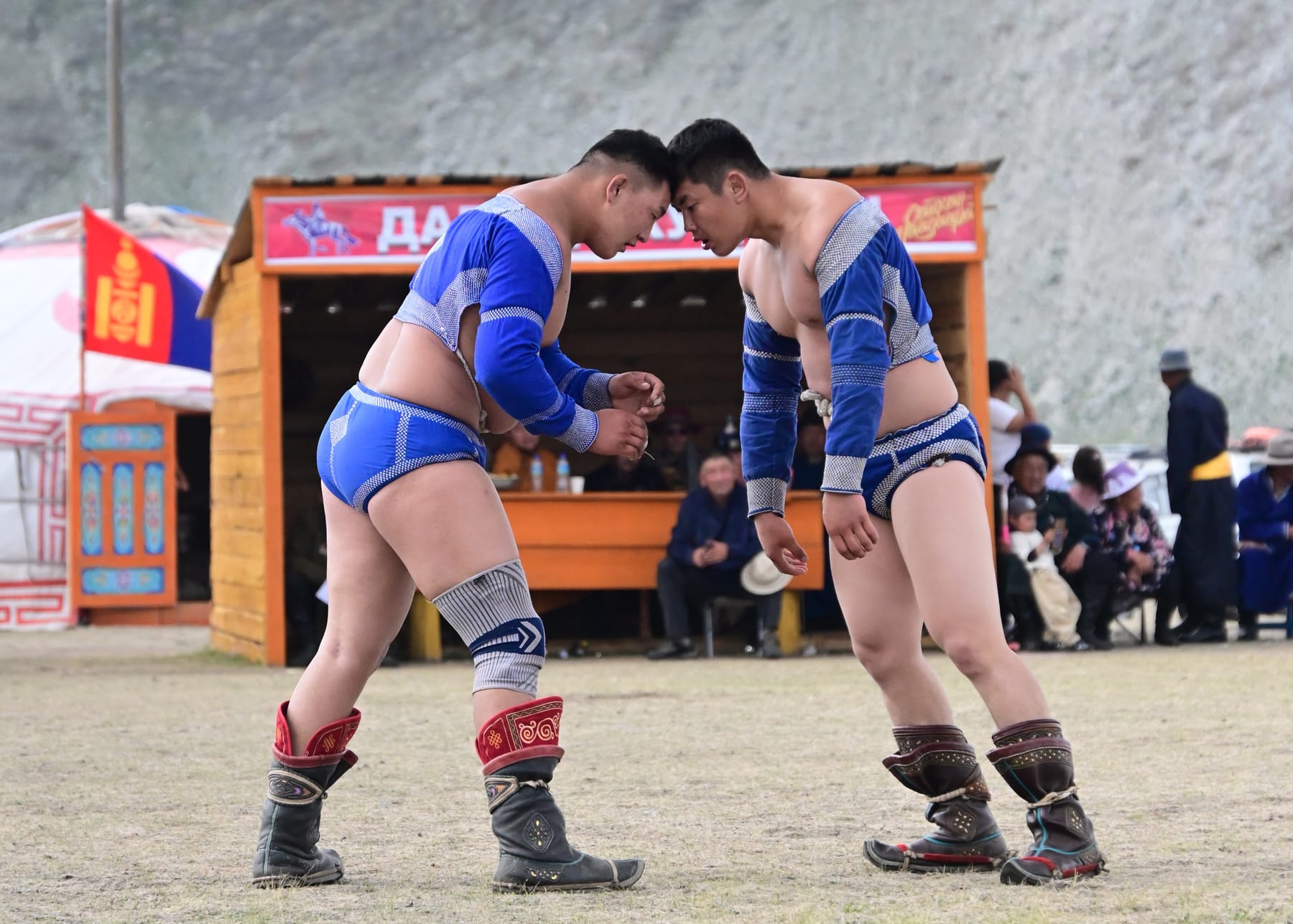
The following day, a local Naadam brought families together from around the area. It was smaller than the national celebration in Ulaanbaatar and belonged to the community organising it. The day was social as much as competitive: families gathered, children moved between groups and people followed the events at their own pace.
For our five travellers, it showed another side of the people and places we had come to know in the taiga.
Coming back
After three nights with the Tsaatan families, we retraced the route on horseback to the point where the vehicles could reach us. From there, we continued towards Ulaan-Uul and Mörön before returning to Ulaanbaatar on 21 July.
The road was still long, but it felt different on the way back. The group knew the route, the landscape was familiar and there was time to understand how much had fitted into nine days: several days of travel, three nights in the taiga and two local events that could not have been planned in advance.
The part that needs saying plainly
This was not a wildlife expedition. The reindeer are domestic animals, owned and cared for by the families who hosted us. Wildlife may be present in the taiga, but no wild species is included in this report without a recorded observation.
It was also not a sequence of cultural demonstrations. We were guests in a working camp. The ceremony and the Naadam were part of local life during those days. We can plan the route and allow enough time; we cannot promise the same encounters on the next departure.
That uncertainty is important. Travelling well here means arriving with time, accepting that the days belong first to the families who live there and letting the journey respond to what is actually happening.
Photographs
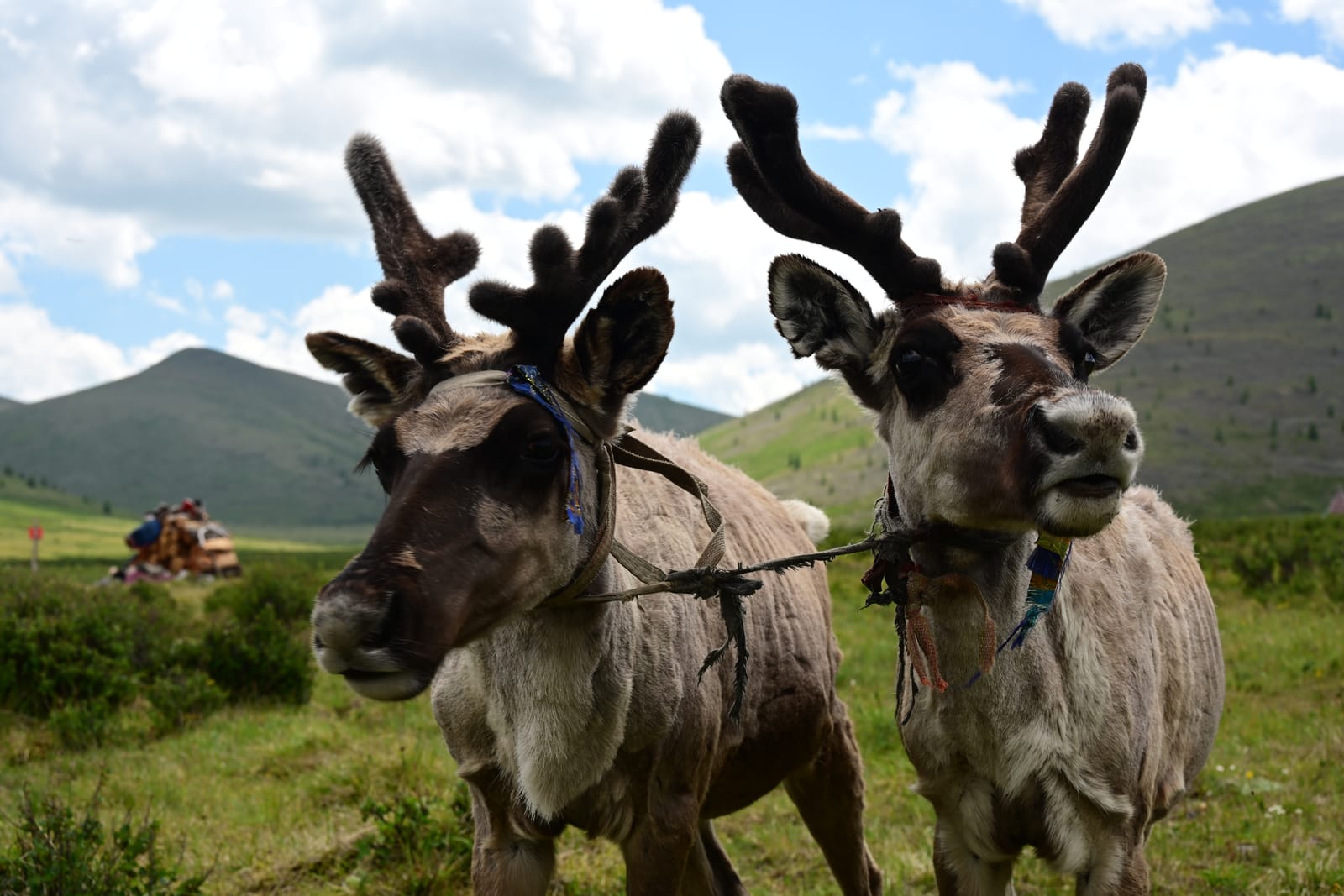
Two of the camp herd, antlers still in velvet. 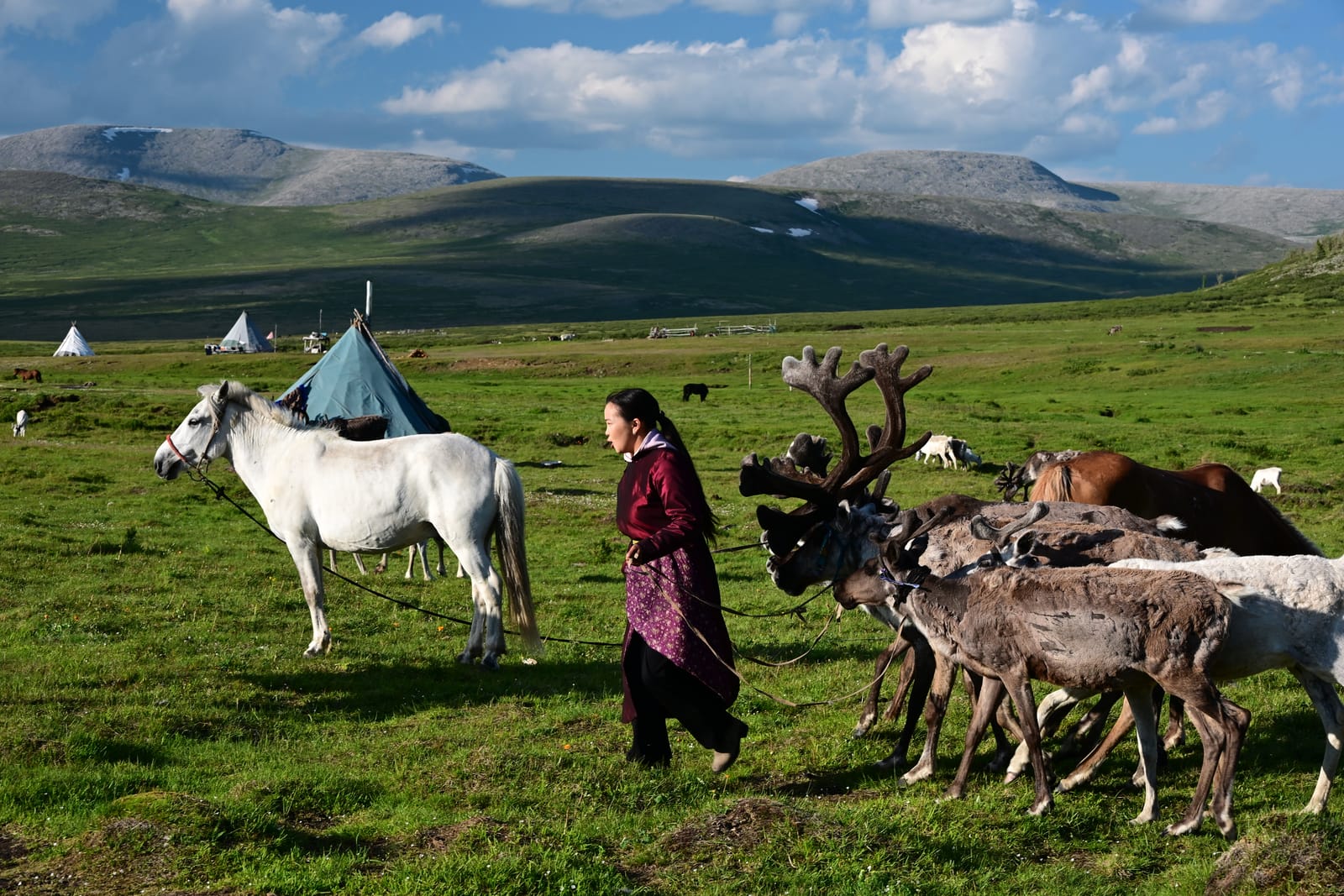
The summer camp, with the herd loose around the teepees. 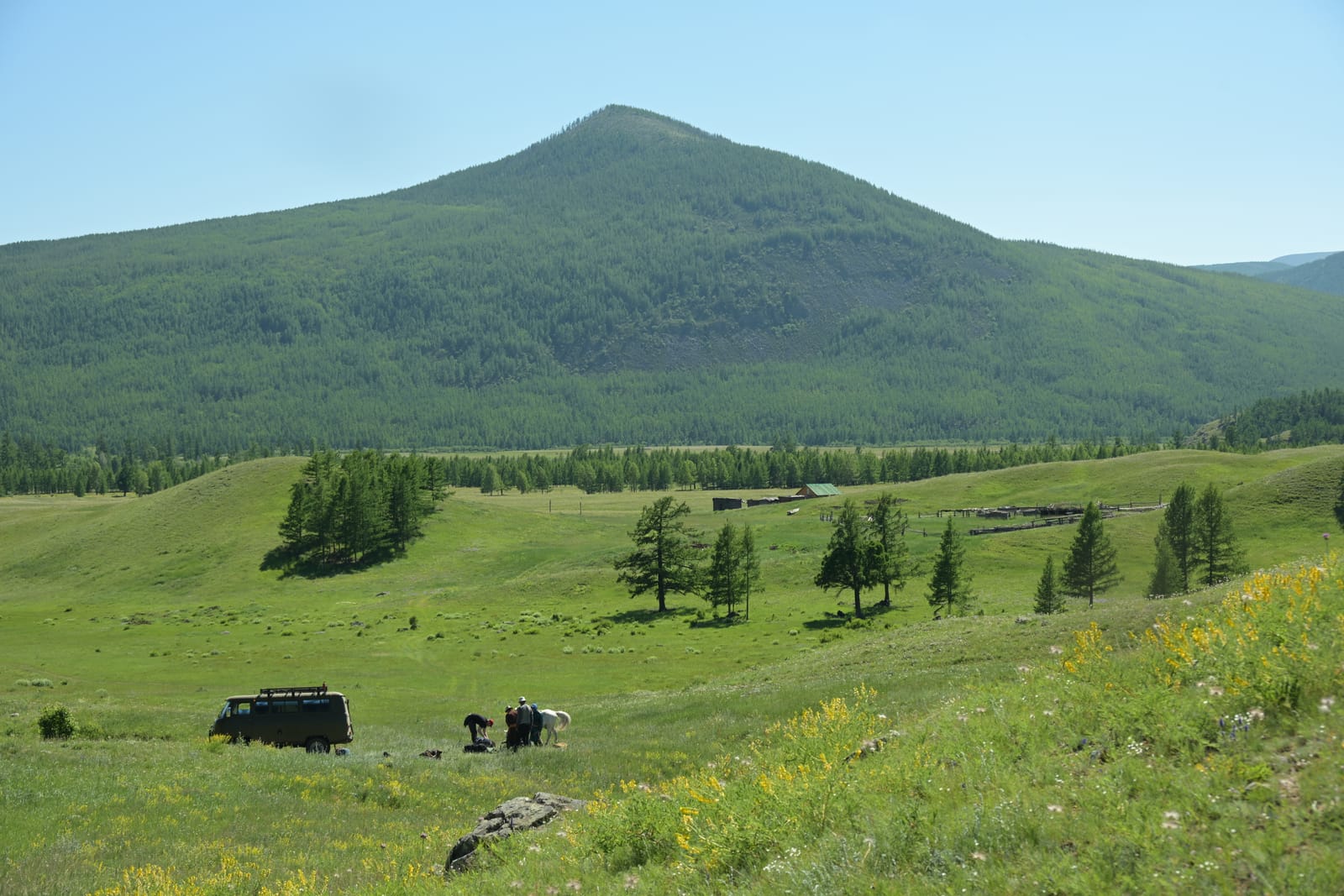
The country beyond the Darkhad Valley, on the way north. 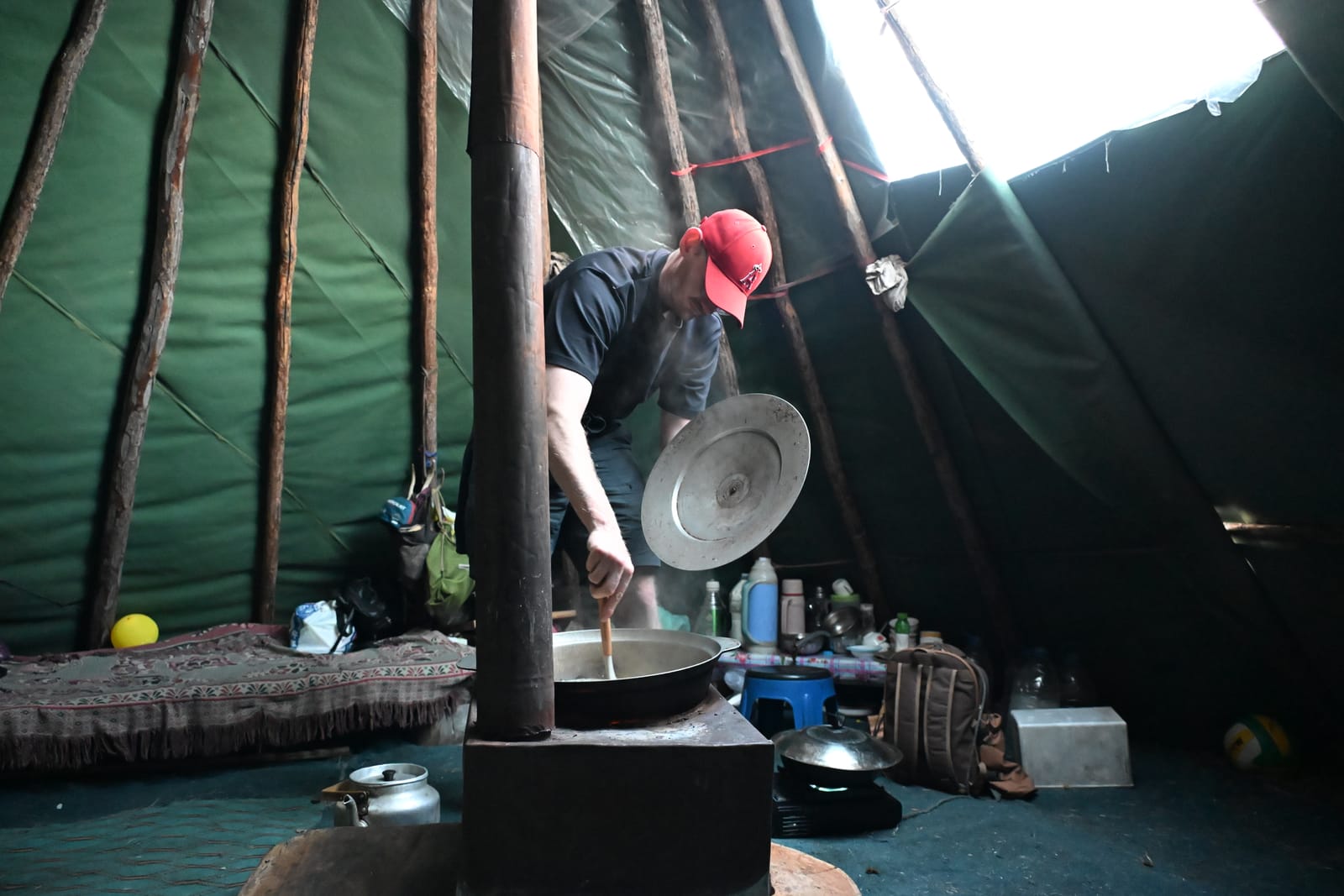
Inside a teepee, around the stove. 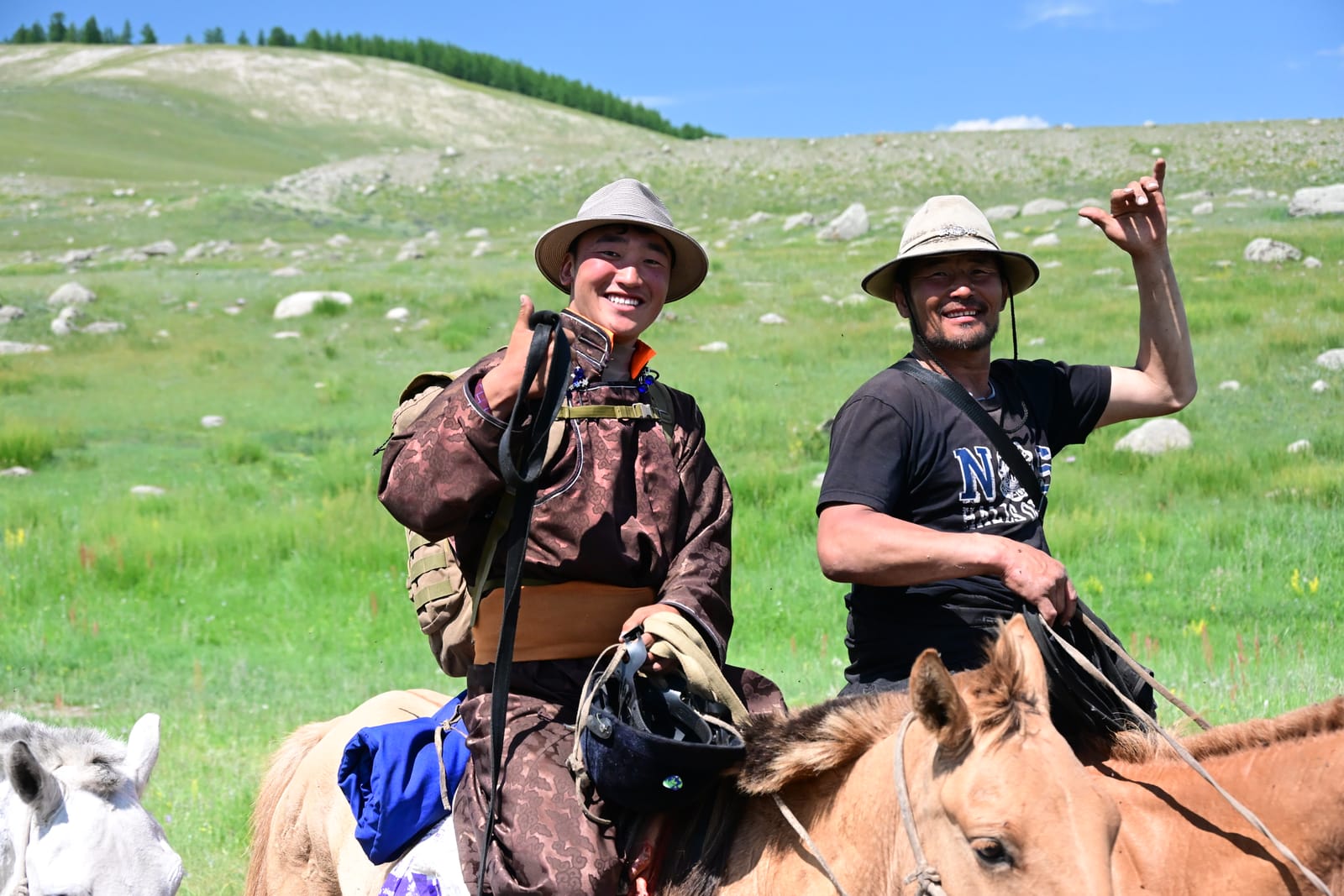
On the ride back towards the vehicles.