Field report · Tost Expedition
Five Days in Tost : On the tracks of the Snow Leopard — Tost, October 2026
From 7 to 15 October, we travelled to the Tost Mountains in the South Gobi to spend five days in the field with a team of Swedish researchers involved in the long-term study of snow leopards in Tost. We discovered their work up close and gained a better understanding of how researchers monitor one of the world's most elusive big cats.
- Departure
- 7 October 2026
- Region
- Tost Mountains, South Gobi
- Duration
- 9 days
- Group
- Artus team
- Weather
- Sunny throughout, around 10°C during the day and -5°C at night, with one or two very windy days
Route — Ulaanbaatar · Dalanzadgad · Tost Mountains · Dalanzadgad · Ulaanbaatar. Five full days in the reserve, staying at the researchers’ camp.
Arriving in Tost
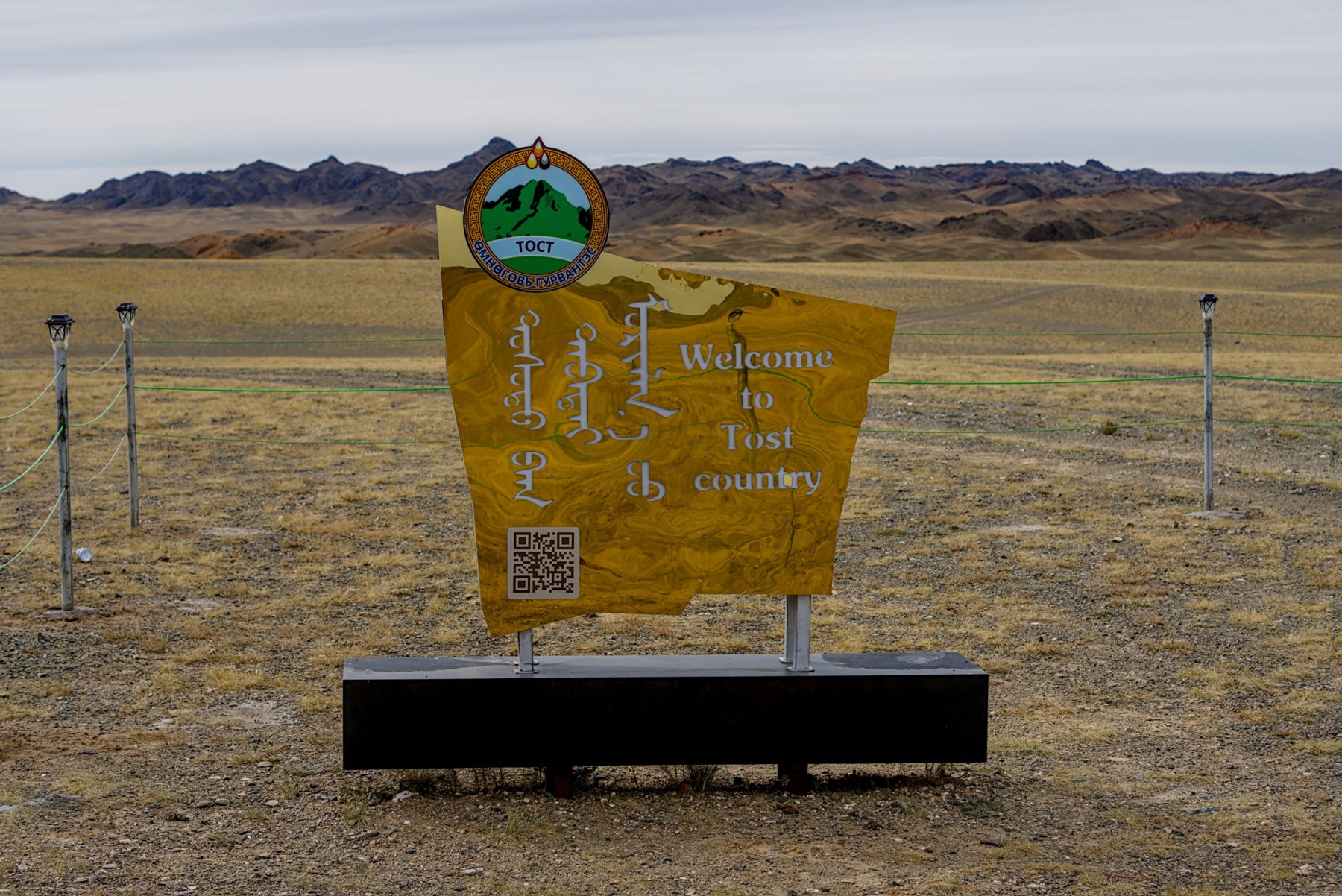
Reaching the Tost Mountains in Mongolia’s South Gobi is an expedition in itself. Far from the capital and its busy streets, the landscape gradually opens into the steppe and mountains of this southern province. Tost is a remote and important habitat for the snow leopard, where wildlife conservation is closely connected to the people who live and work in the area.
During this visit, we were very lucky to be invited to spend five days in the field with a team of Swedish researchers involved in the long-term study of snow leopards in Tost. Meeting the team and discovering their work provided an opportunity to learn more about the research taking place in the reserve and the people working to better understand and protect the snow leopard.
A long-term study of the snow leopard
The Tost Mountains have been the site of a long-term ecological study of snow leopards since 2008. The research has helped build a very detailed understanding of this species, from population dynamics and individual movements to reproduction, survival and relationships with prey and local communities.
The work combines several monitoring methods. Camera traps are an important part of the process. Installed at carefully selected locations, these cameras record wildlife passing through the mountains, allowing researchers to identify individual snow leopards and monitor their presence over time. Checking cameras and reviewing field signs requires patience and a detailed knowledge of the terrain.
GPS collars, used on selected individuals, provide information about their movements and habitat use. Field teams also examine signs such as scent marks and scrapes, helping them identify areas of activity and choose suitable locations for monitoring.
In 2016, Tost Tosonbumba became a nationally protected nature reserve, following years of conservation efforts to protect this important snow leopard habitat from threats including mining and hunting. Research, reserve management and the work of local rangers all contribute to understanding the ecosystem and supporting the long-term conservation of its wildlife.
The value of this research extends beyond the snow leopard itself. By studying the relationship between predators, wild prey, livestock and herding communities, researchers can help inform conservation approaches that support both wildlife and the people who share this landscape.
A day in the field
Fieldwork in Tost means spending long hours outdoors, moving through rocky valleys and across mountains in search of signs left by snow leopards. The work is not simply about looking for the animal itself.
On the first day, we accompanied the research team in the field. They carefully examined the terrain, identified scent marks and scrapes, and collected evidence that could help them understand where snow leopards had been and how they used their habitat. Watching them work offered a glimpse into the patience and attention to detail required to study such a discreet animal.
During the rest of our stay, we left the researchers to continue their work without being disturbed and explored the reserve independently.
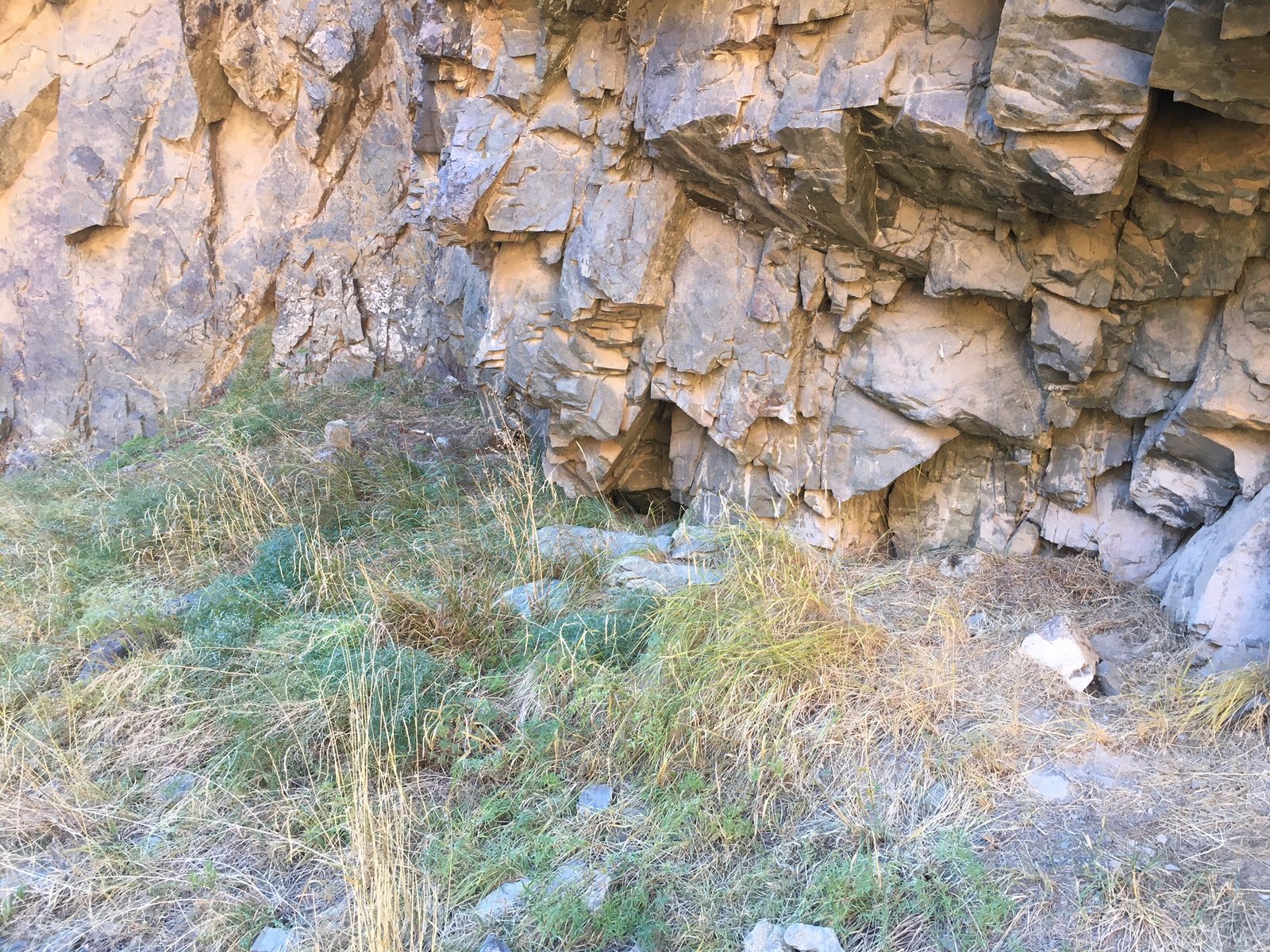
Water sources are particularly good places to observe wildlife in this dry landscape. We would wake up early, around 5:30 a.m., to reach the waterholes before sunrise, when animals usually come to drink or move through the area, and wait patiently. Throughout Tost, small stone shelters built into the landscape offer quiet places to sit and observe wildlife while remaining hidden from view.
At other times, exploring Tost means setting off on foot and trekking through the mountains, scanning the slopes and ridgelines for movement or signs of wildlife. Every outing offers a different perspective on the reserve, even when the animals remain out of sight.
Throughout our time in the field, respecting wildlife remained a priority. Whether following the researchers’ work or exploring independently, the aim was to observe animals without unnecessarily disturbing them or interfering with their natural behaviour.
Reading the signs of the snow leopard
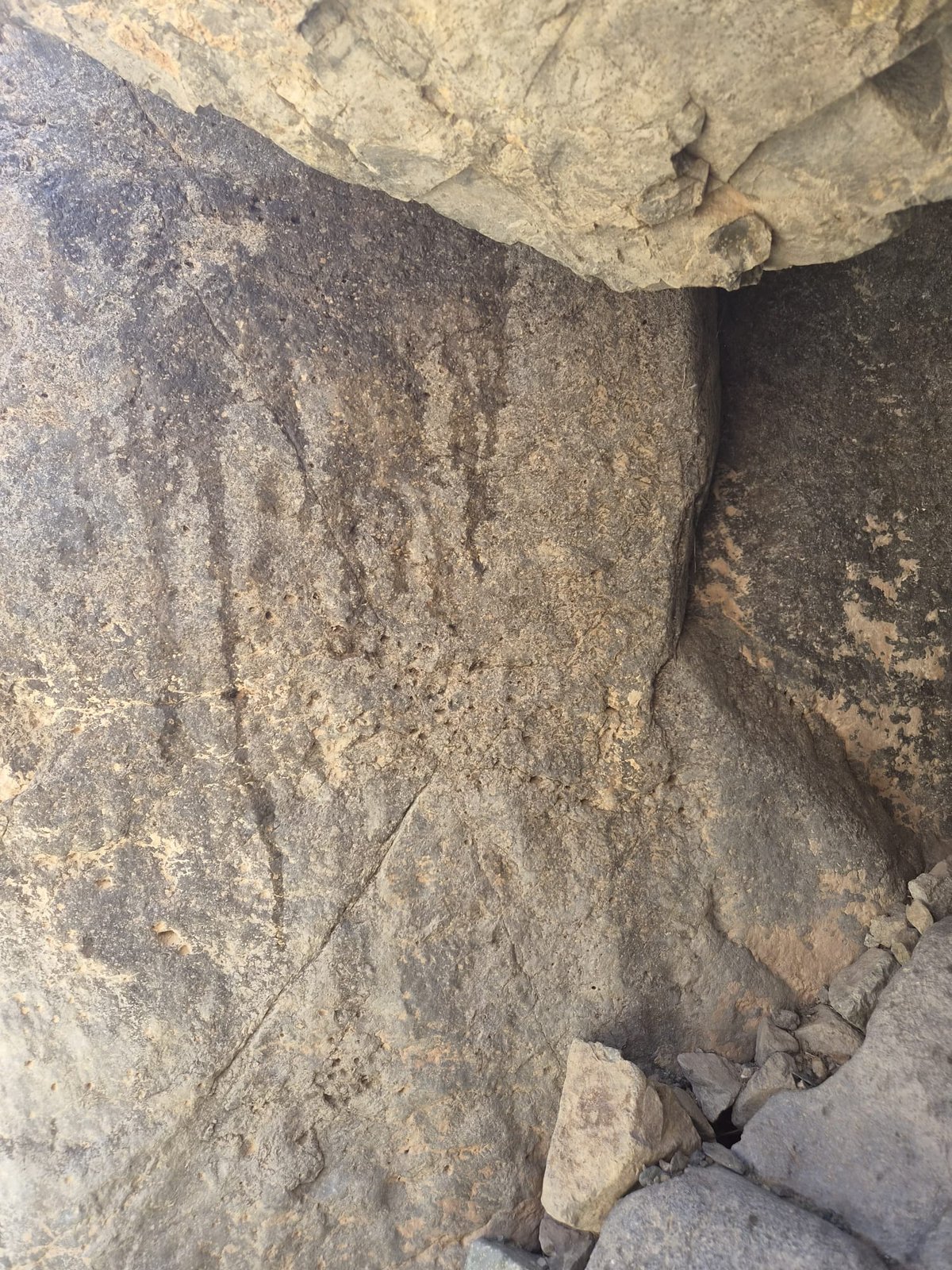
The snow leopard is an elusive animal, almost impossible to see without great patience, but it leaves plenty of evidence behind. Throughout our time in Tost, we learned more about the signs researchers look for when tracking this predator.
Snow leopards mark their territory by spraying urine against rock faces, especially under overhangs and along the corridors they use regularly, leaving scent marks that communicate information to other individuals. They also make scrapes in the ground by dragging and stamping their hind paws. This digs a shallow depression and pushes the soil into a small mound at the back.
These marks can help researchers identify areas of activity and, in some cases, determine the direction in which the animal was moving. Scratches, tracks and other traces can provide further clues about its movements and behaviour.
The researchers carefully inspect these signs and collect samples when possible, helping them build a clearer picture of the snow leopard’s presence and movements over time. Every clue matters. This work requires patience, experience and a careful approach, ensuring that monitoring activities do not disturb the animal or push it away from its natural route. The priority is to understand the snow leopard while allowing it to remain undisturbed in its habitat.
The wildlife of Tost
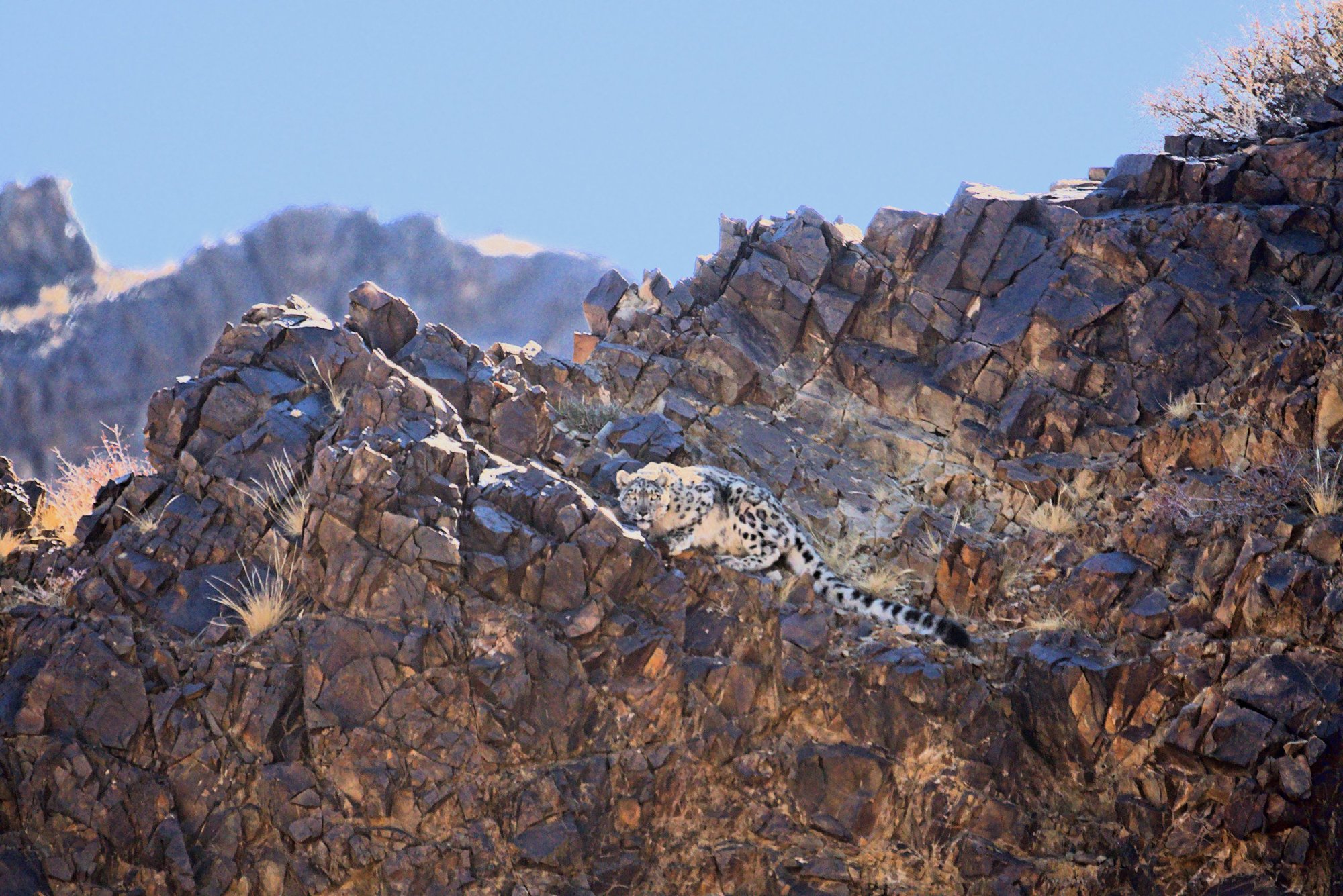
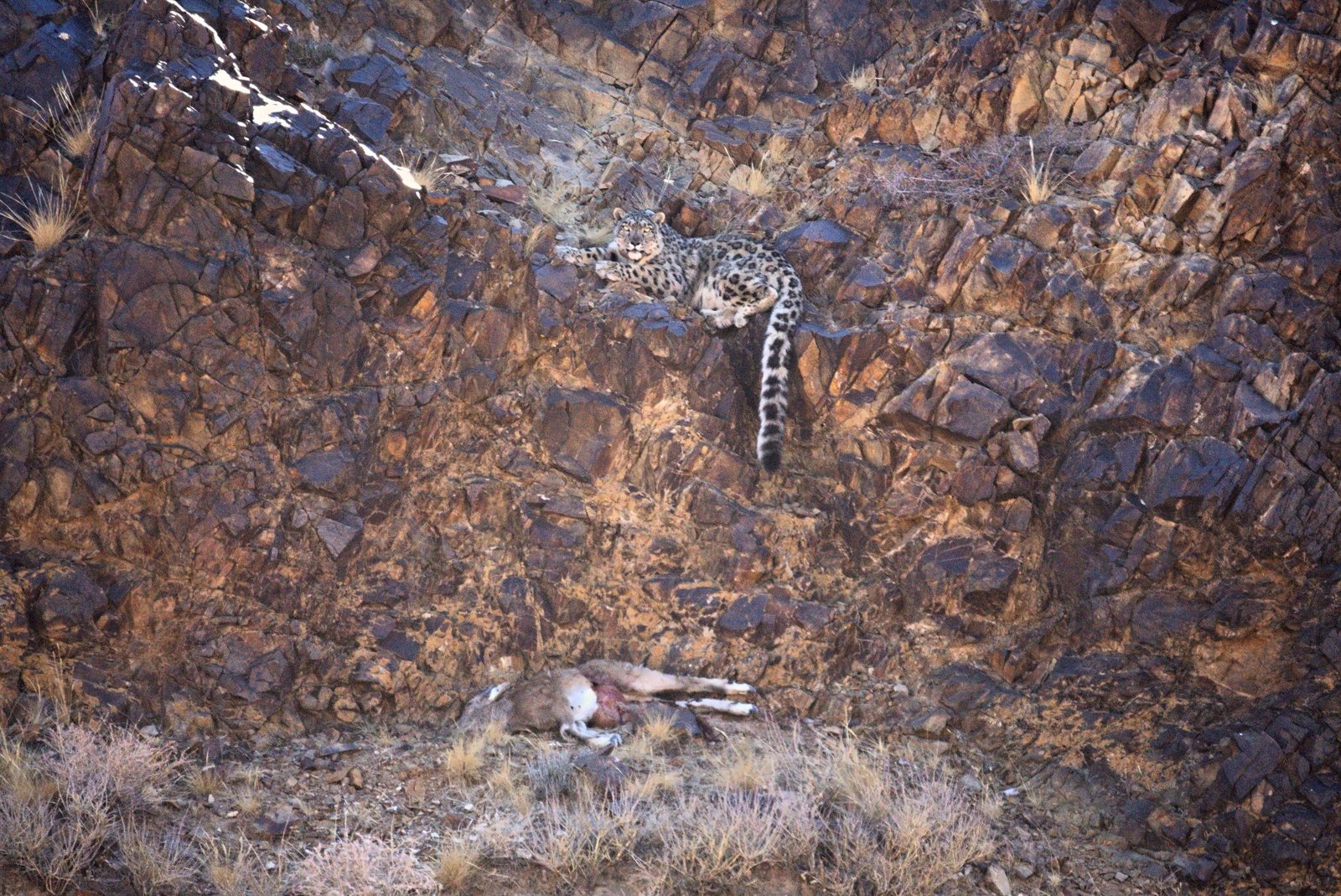
One of the most memorable moments of our stay came two days after our arrival, with the help of Tsolmon, a ranger whose knowledge of the reserve helped us locate a freshly killed Siberian ibex. After leading us to the prey, Tsolmon advised us to hide behind the rocks and remain silent, around 100 to 150 metres away. After an hour and a half of waiting, the snow leopard returned. It noticed our presence but did not leave, and we were able to observe it for around fifteen minutes. To see this predator in its natural habitat, with its prey, was an extraordinary and rare privilege. After spending days learning to recognise the signs it leaves behind, seeing the animal itself brought a new perspective to everything we had been observing in the field. It was a unique moment, and a reminder of the wildness of Tost and the importance of protecting the habitat that allows the snow leopard to survive.
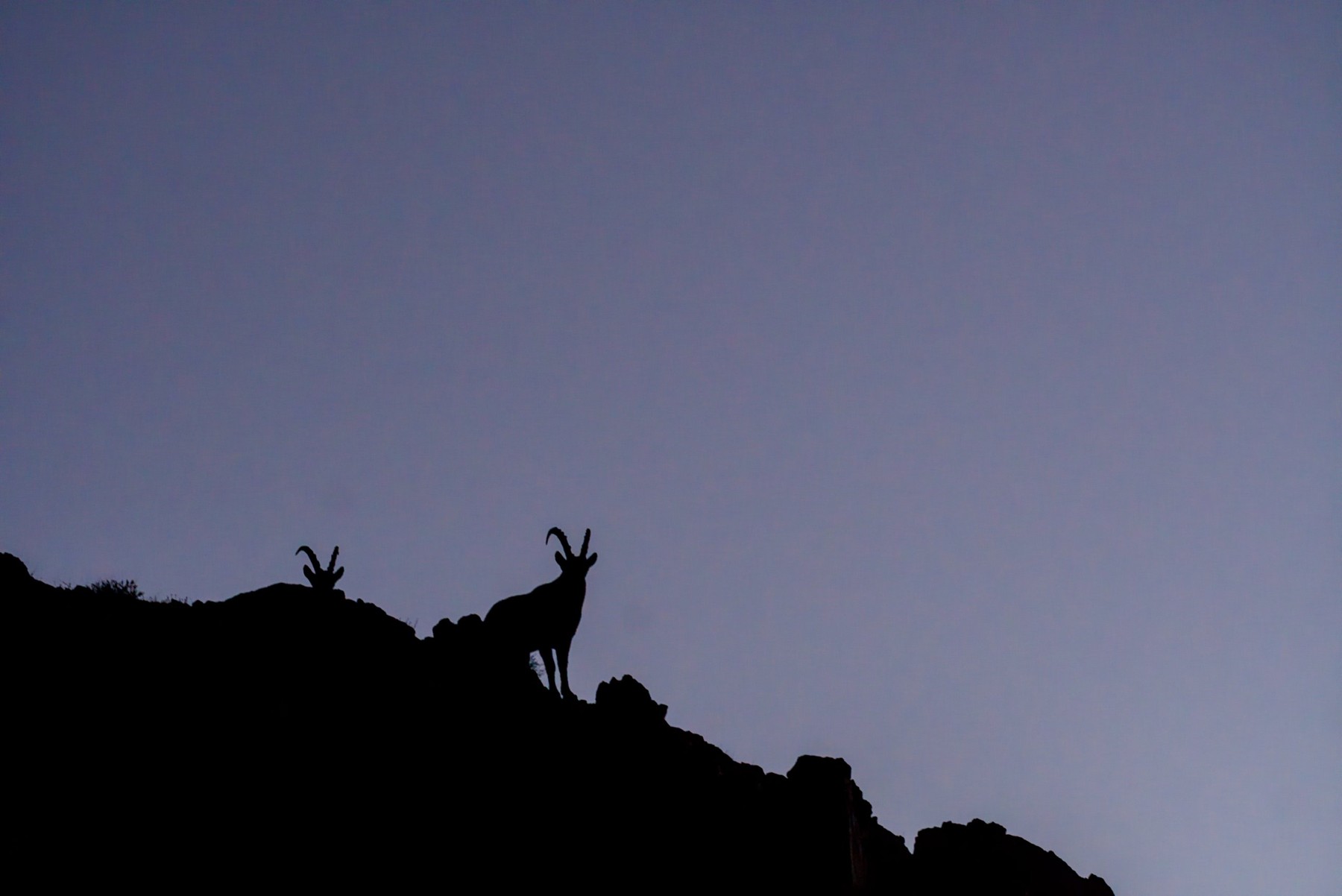
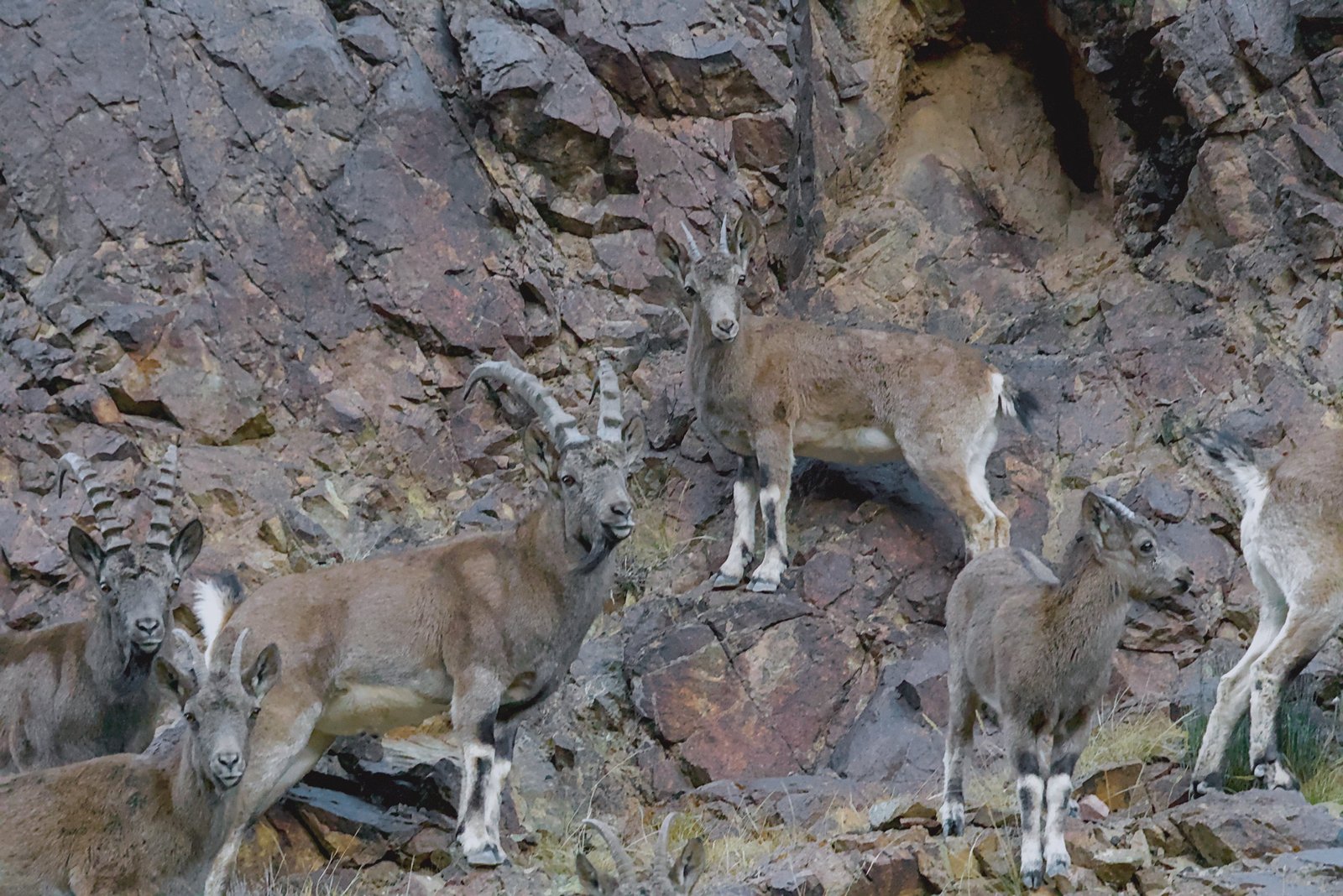
Although the snow leopard was the focus of our time in the field, Tost is home to a rich diversity of wildlife. Siberian ibex are particularly abundant, often occupying the steep rocky slopes that characterise the reserve. Argali, the world’s largest wild sheep, are also present, although they are less frequently encountered than ibex in this more rocky landscape.
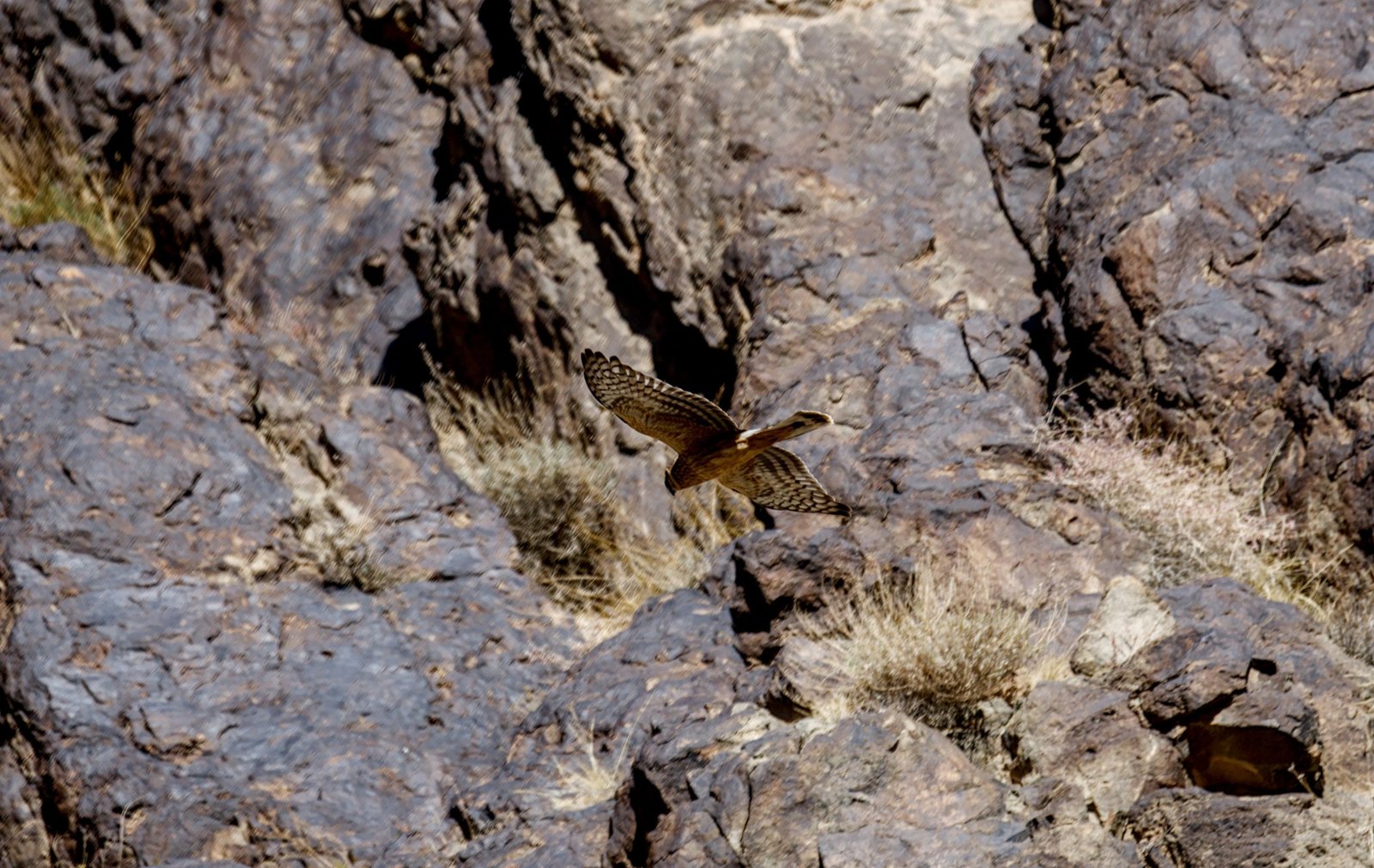
Beyond the Bearded Vultures (lammergeiers) that we often saw flying close above our heads, Tost also supports a varied birdlife, including Mongolian Ground Jays, Saker Falcons, Golden Eagles and many other species that inhabit these mountains.
A predator sharing the mountains with livestock
The Siberian ibex is the snow leopard’s main prey, and the reserve’s mountains support large numbers of these wild goats. By following ibex populations and their distribution, researchers can also better understand the conditions that sustain the snow leopard.
Snow leopards sometimes descend from the mountains and prey on domestic goats belonging to nearby herding families. Such losses can create difficulties for local herding families and lead to tensions between nomadic families, wildlife and the people working to protect the reserve. This is one of the reasons why long-term research and conservation initiatives are so important. Understanding the movements of snow leopards, their prey and the areas where they overlap with livestock can help conservation organisations develop better ways to reduce conflict and support coexistence between local communities and this remarkable predator.
Building relationships for future expeditions
Beyond the wildlife and the scientific work, this visit was also an opportunity to meet new rangers working in the reserve. Their knowledge of the terrain, familiarity with local wildlife and experience in the field are invaluable for understanding this landscape.
Building relationships with the people who work here is an important part of preparing future Artus Expeditions visits. Local rangers play a vital role in monitoring wildlife, tracking animal movements and sharing their knowledge of the reserve. Maintaining these connections will help us prepare future visits with a stronger understanding of the area and its conservation work, while recognising the experience and contribution of the people who protect it.
Five days in the field
These five days in Tost offered a closer look at the work behind snow leopard conservation: the patient observation, the careful reading of tracks and signs, and the long-term commitment needed to understand a species that remains so difficult to study. It was a valuable opportunity to learn from researchers working on the ground and to discover more of the Tost reserve.
Species log
Mammals
| Species | Count | Notes |
|---|---|---|
| Snow LeopardPanthera uncia | — | Observed for around 15 minutes, at 100–150 m, after it returned to its ibex prey. |
| Siberian IbexCapra sibirica | — | Particularly abundant on the steep rocky slopes of the reserve. |
| ArgaliOvis ammon | — | Present, but less frequently encountered than ibex in this rocky landscape. |
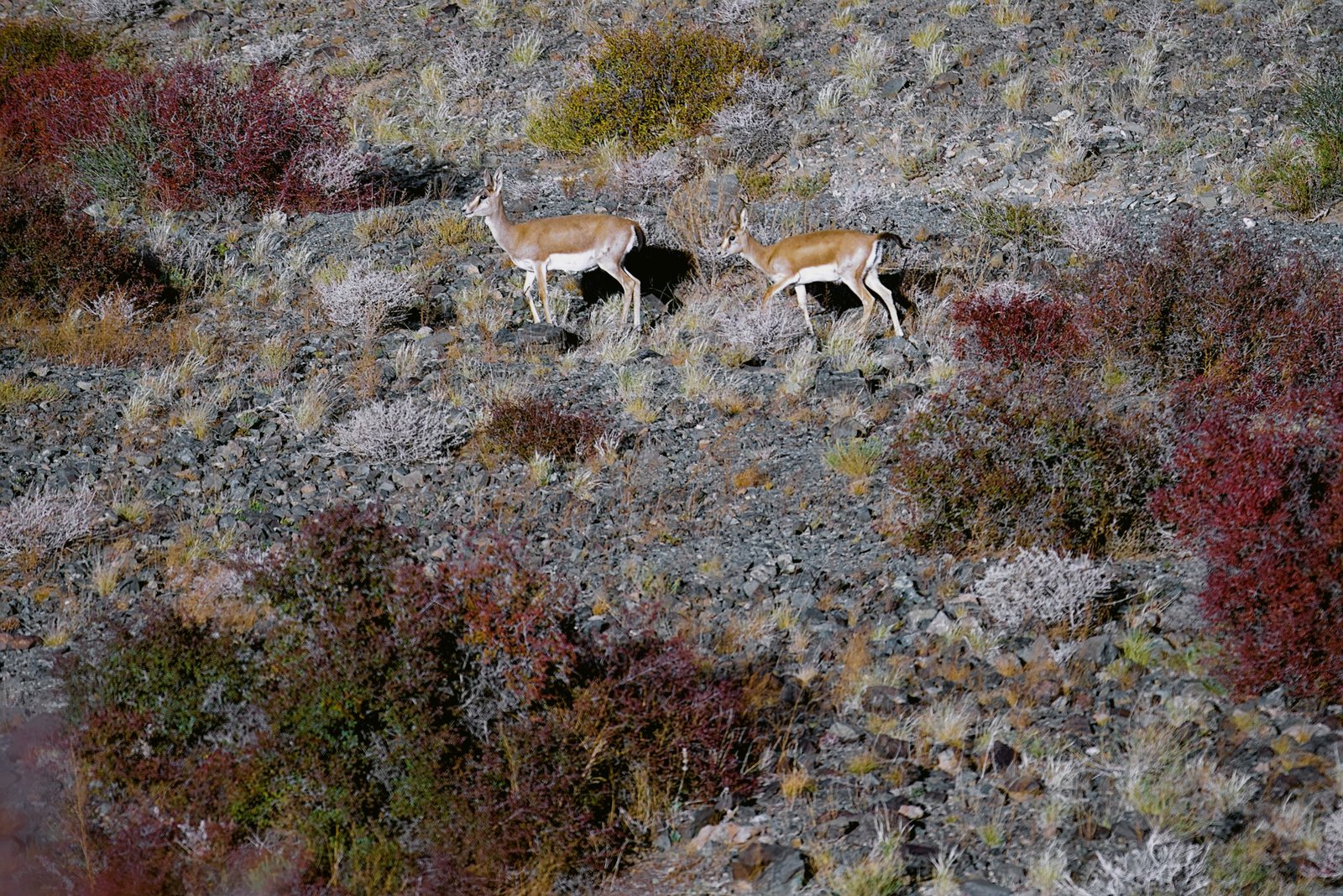
| Goitered GazelleGazella subgutturosa | — | Seen on the stony slopes among the autumn shrubs. |
Birds
| Species | Count | Notes |
|---|---|---|
| Bearded VultureGypaetus barbatus | — | Often seen flying close above our heads. |
| Mongolian Ground JayPodoces hendersoni | — | |
| Saker FalconFalco cherrug | — |
Photographs
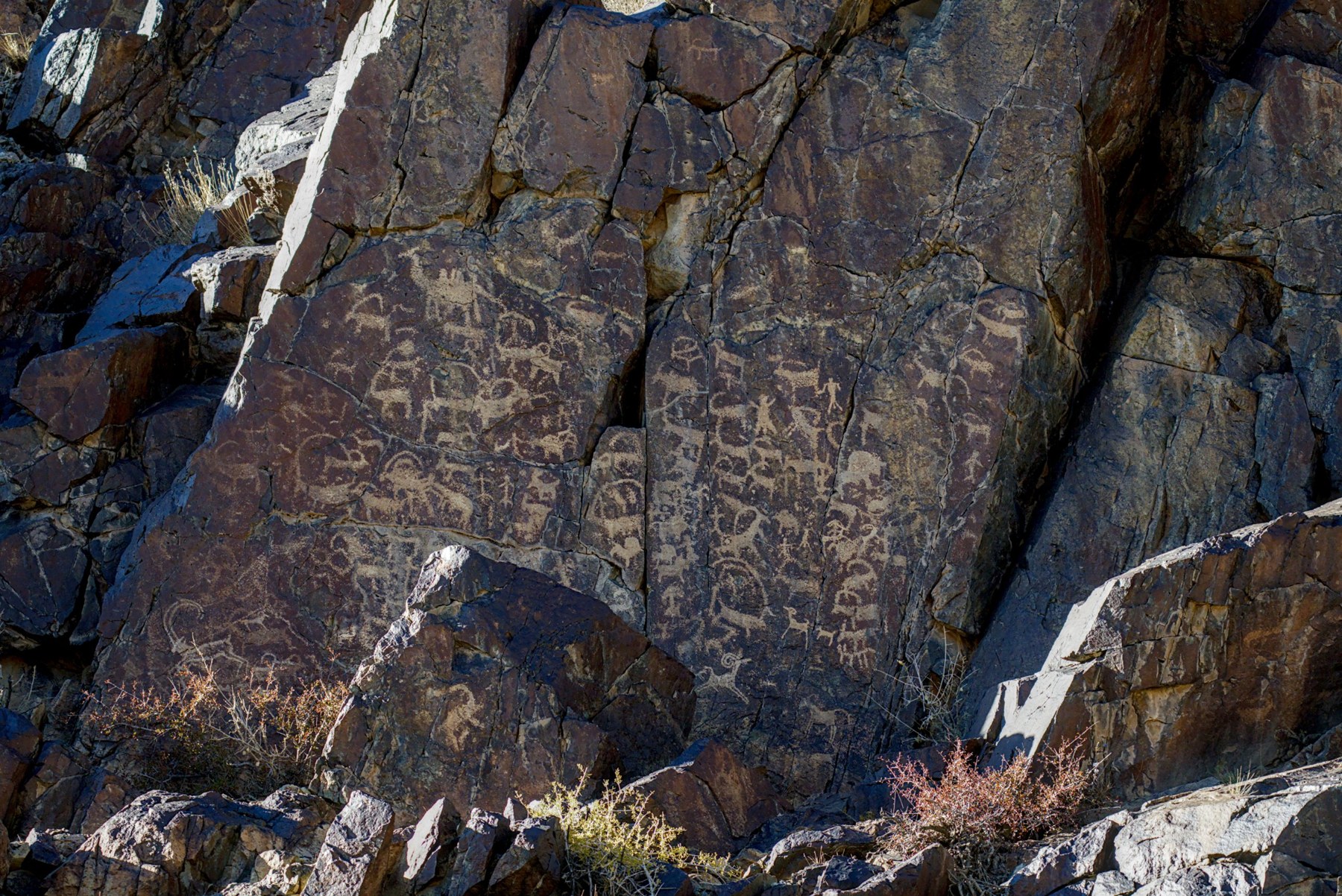
A Siberian ibex male standing on a ridge against the deep blue sky. Three ibex crossing a scree slope in the low morning light. Two goitered gazelles watching us from among the autumn shrubs. Ancient rock carvings on a dark rock face in the Tost Mountains. Three argali rams in single file on a steep slope. An ibex watching from a rocky outcrop. Domestic Bactrian camels in a valley below the mountains. A chukar partridge among the grasses at the foot of a boulder.