
Expedition
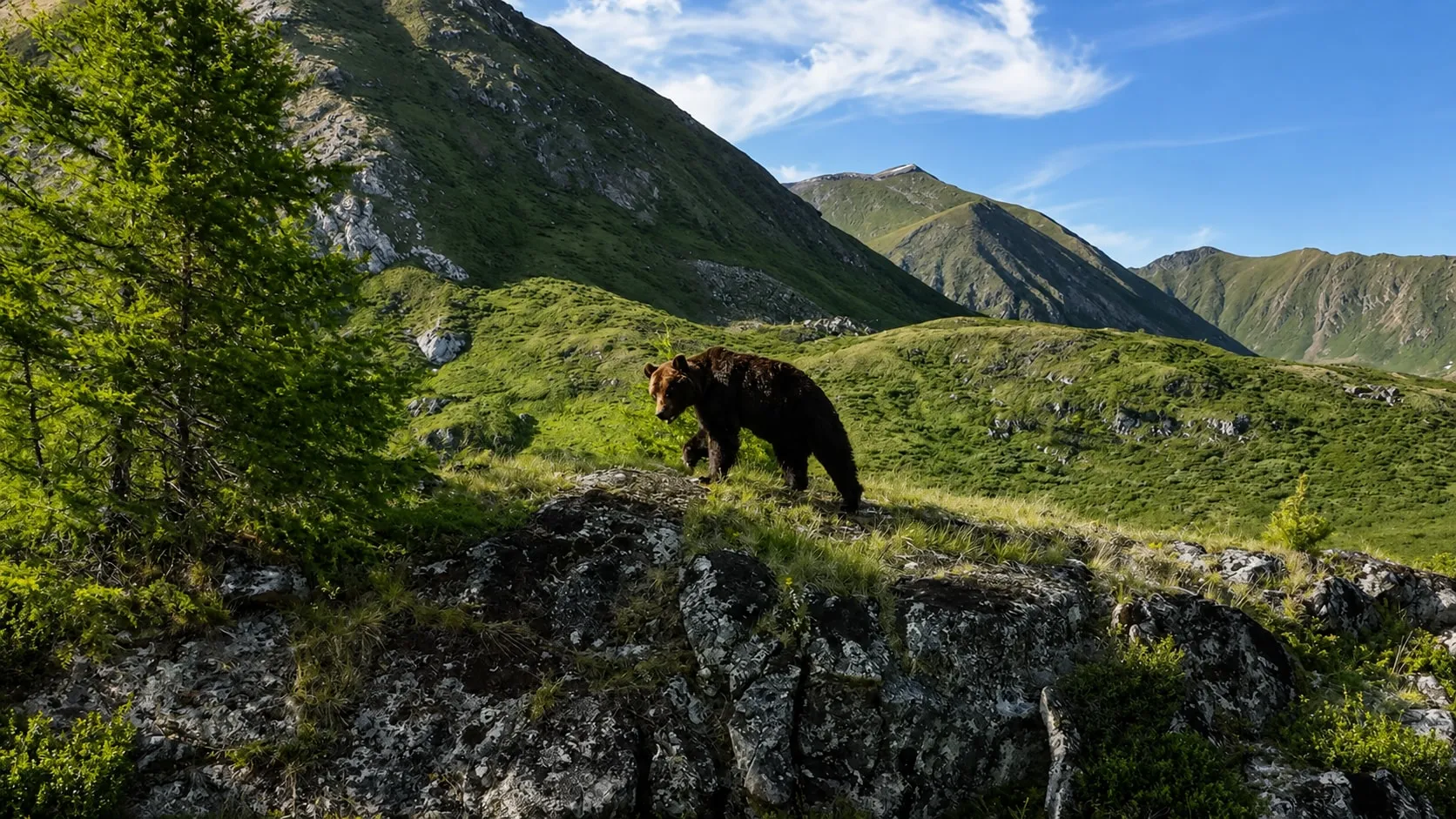
Siberian Brown Bear in the Northern Taiga
Northern taiga forest and mountains, Khövsgöl
- Length
- 10 days
- Months
- June to September
- Next departure
- June 2027
- Group
- 2 to 4 travellers
Overview
A ten-day expedition into the Ulaan Taiga, searching for Siberian brown bears and the other wildlife of Mongolia’s northern forests.
The journey begins overland from Ulaanbaatar, travelling through Amarbayasgalant and Mörön before reaching Ulaan-Uul and the edge of the taiga. From there, we leave the road behind and set up a simple camp in the forest for four nights.
With local trackers, we spend three full days looking for fresh tracks, feeding areas and other signs of bears. Much of the time is spent walking, watching and waiting quietly in places where bears have recently passed.
Brown bears range across a large and remote area, so sightings can never be guaranteed. Moose, red deer, roe deer, wild boar, wolves, lynx and wolverines also live here, but every encounter depends on patience, field knowledge and a bit of luck.
EquipmentWhat we provide, and what you need to bring
Provided by Artus Expeditions
- Weatherproof expedition tents
- Sleeping bags suited to the season
- Insulated sleeping mats
- Camp kitchen, cooking equipment for meals in the taiga
- Drinking water and water purification equipment
- Shared binoculars and spotting scopes
- Rain shelter and basic camp furniture
- First-aid and wildlife safety equipment
- Waterproof bags for luggage carried by packhorses
You will need to bring
Clothing
- Waterproof jacket with a hood
- Waterproof overtrousers
- Warm insulated jacket
- Fleece or warm mid-layer
- Long-sleeved base layers
- Comfortable hiking trousers suitable for horse riding
- Spare dry clothing for camp
- Warm hat and light gloves
- Sun hat or cap
- Several pairs of warm hiking socks
Choose quiet, neutral-coloured clothing where possible.
Footwear
- Waterproof hiking boots, already broken in
- Gaiters for wet ground and mud
- Lightweight shoes or sandals for camp
Bags
- Soft duffel bag for the pack horses
- Small daypack of around 25 litres
- Rain cover for your daypack
Hard suitcases cannot be taken into the taiga and should be left in Ulaan-Uul.
Personal equipment
- Headlamp with spare batteries
- Reusable water bottle
- Sunglasses and sunscreen
- Insect repellent
- Mosquito head net
- Small quick-drying towel
- Personal toiletries and wet wipes
- Personal medication
- Lip balm and basic blister care
For photographers
- Binoculars, if you prefer to use your own
- Camera with a telephoto lens
- Spare batteries and memory cards
- Power bank
- Waterproof protection for cameras and lenses
- Lens cloth and cleaning equipment
Optional but useful
- Lightweight trekking poles
- Riding gloves
- Small seat pad
- Earplugs
- Notebook
Where it goes
Natural Earth; Khövsgöl protected areas traced from the UTSPA map. Other areas shown at true area, not surveyed boundaries.
Protected since 1997
Horidol Saridag Strictly Protected Area
1,888 km²— slightly larger than Greater London
A mountain range west of Lake Khövsgöl, protected for its remote forests, valleys and high country. Brown bears, red deer, ibex and other northern wildlife occur across the wider area, but our exact field sites are still being tested through scouting expeditions.
Your local guide on this expedition
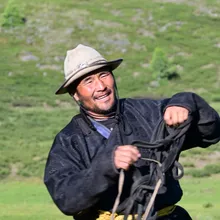
Tsendsuren Shukhert
Local Guide
Born and raised in the Darkhad Valley, Shukhert knows the region from a lifetime spent travelling through it. He is an exceptional horseman and horse trainer, and was the subject of Hamid Sardar’s documentary Le Cavalier mongol. He guides our journeys into the taiga and helps travellers discover the land, its people and their way of life.
Day by day
The itinerary
Day 1
Ulaanbaatar to Amarbayasgalant
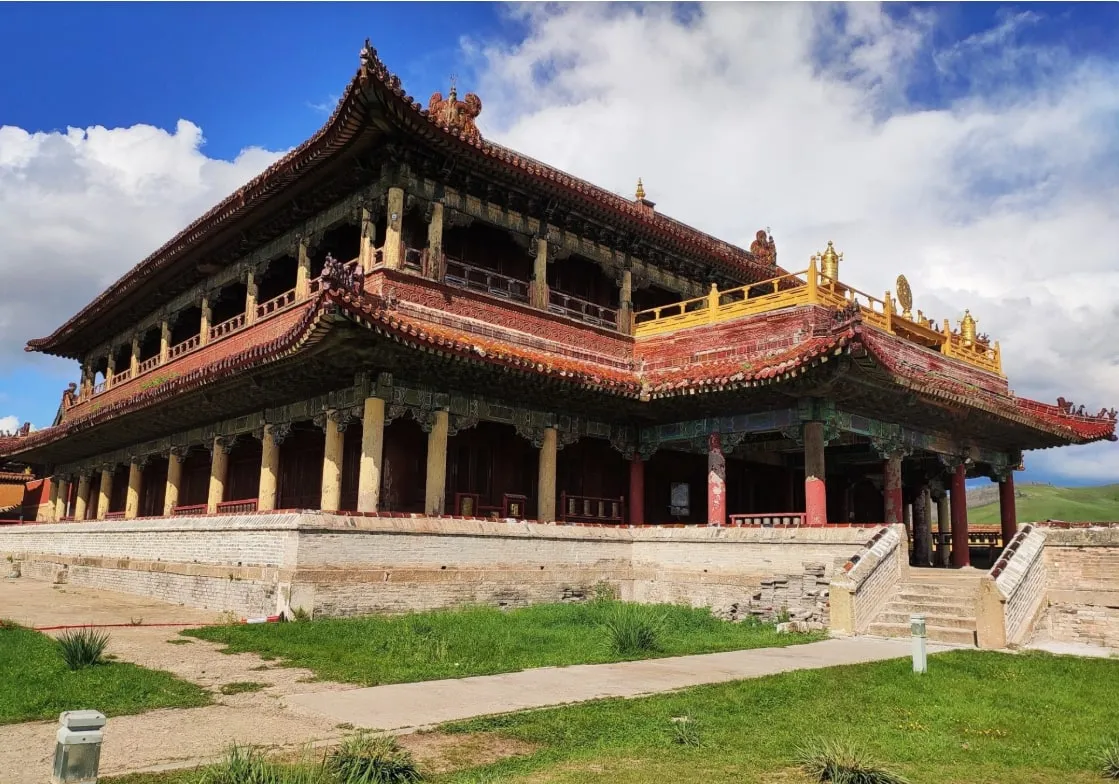
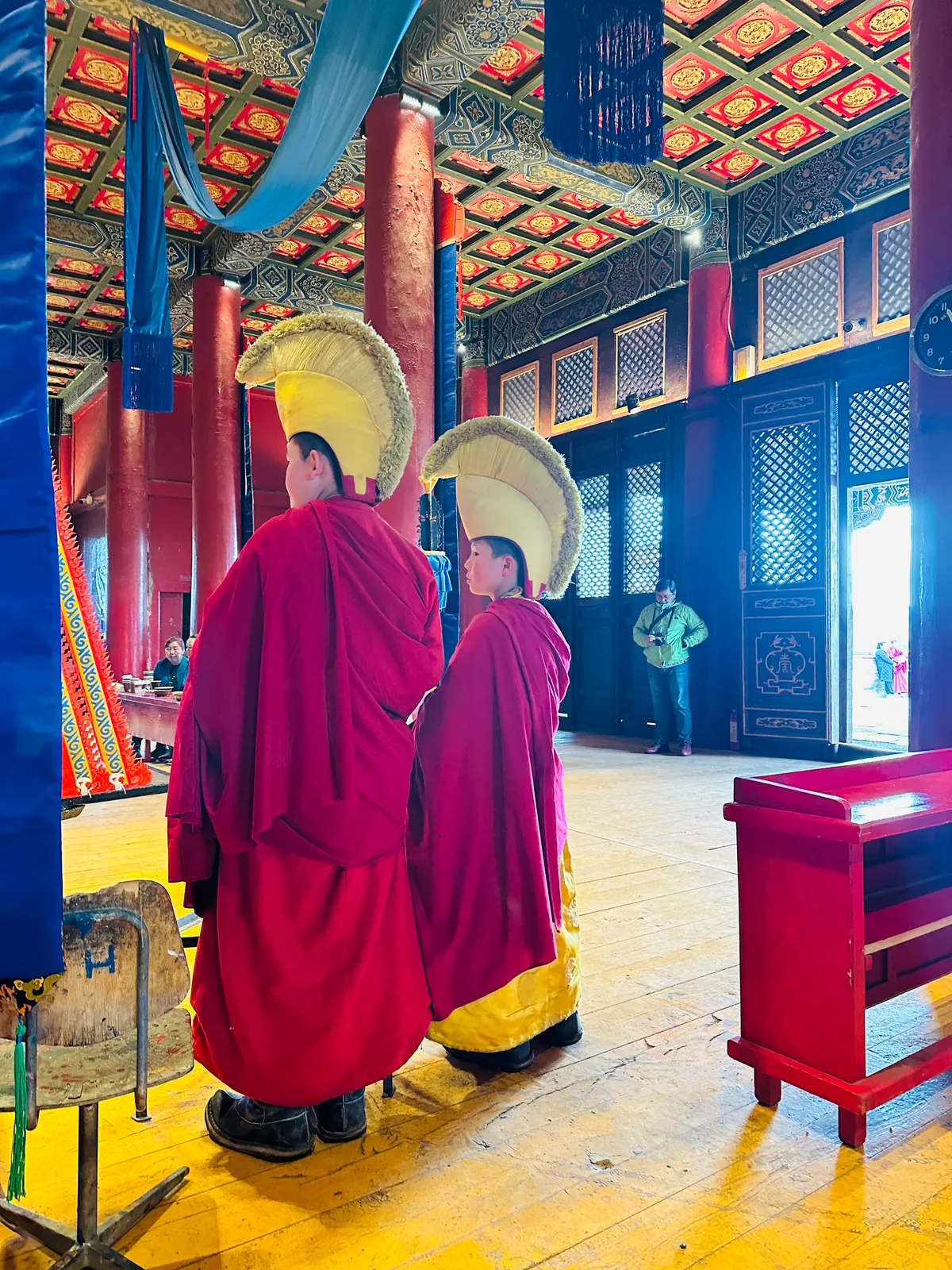
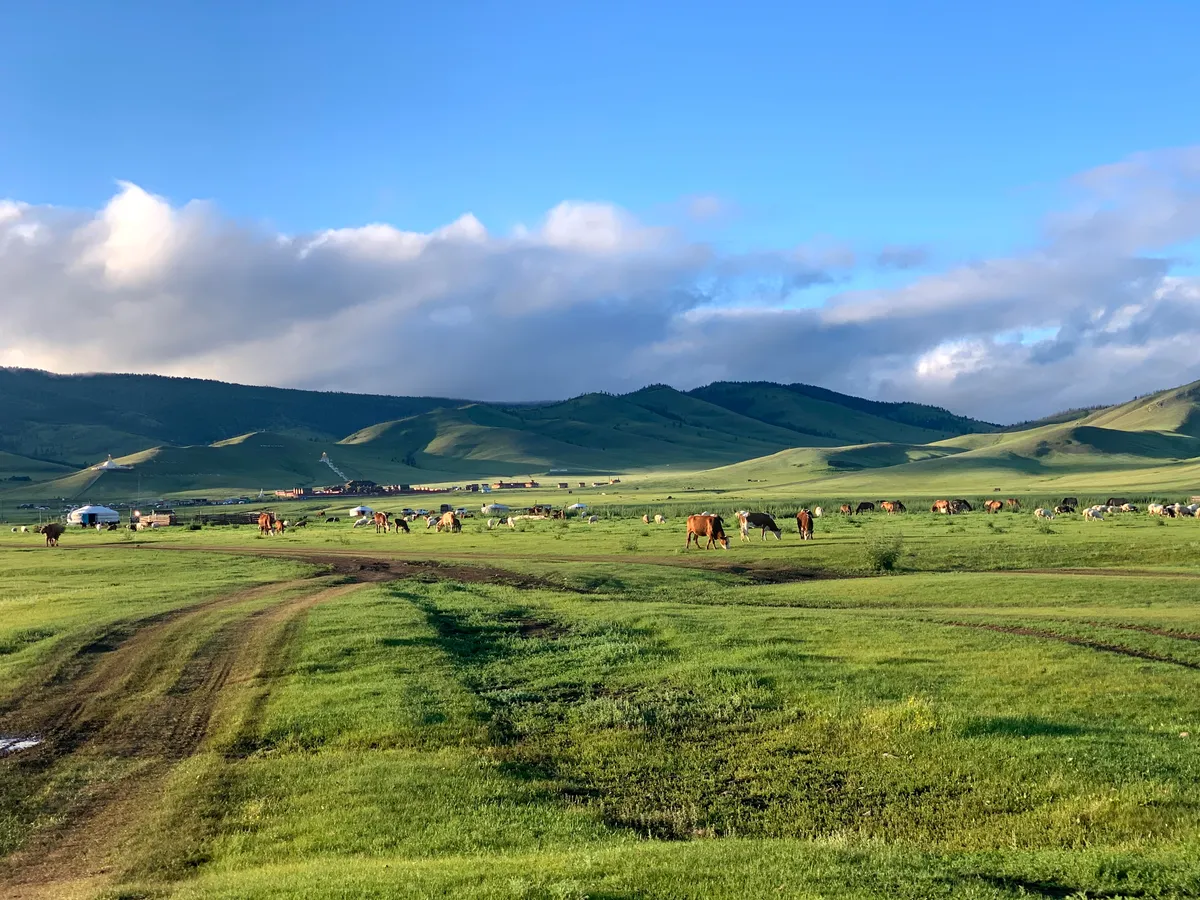
Leave Ulaanbaatar in the morning and travel north to Amarbayasgalant Monastery. Arrive during the afternoon and visit the monastery, one of the largest surviving Buddhist complexes in Mongolia, before settling into the camp nearby.
Day 2
Amarbayasgalant to Mörön
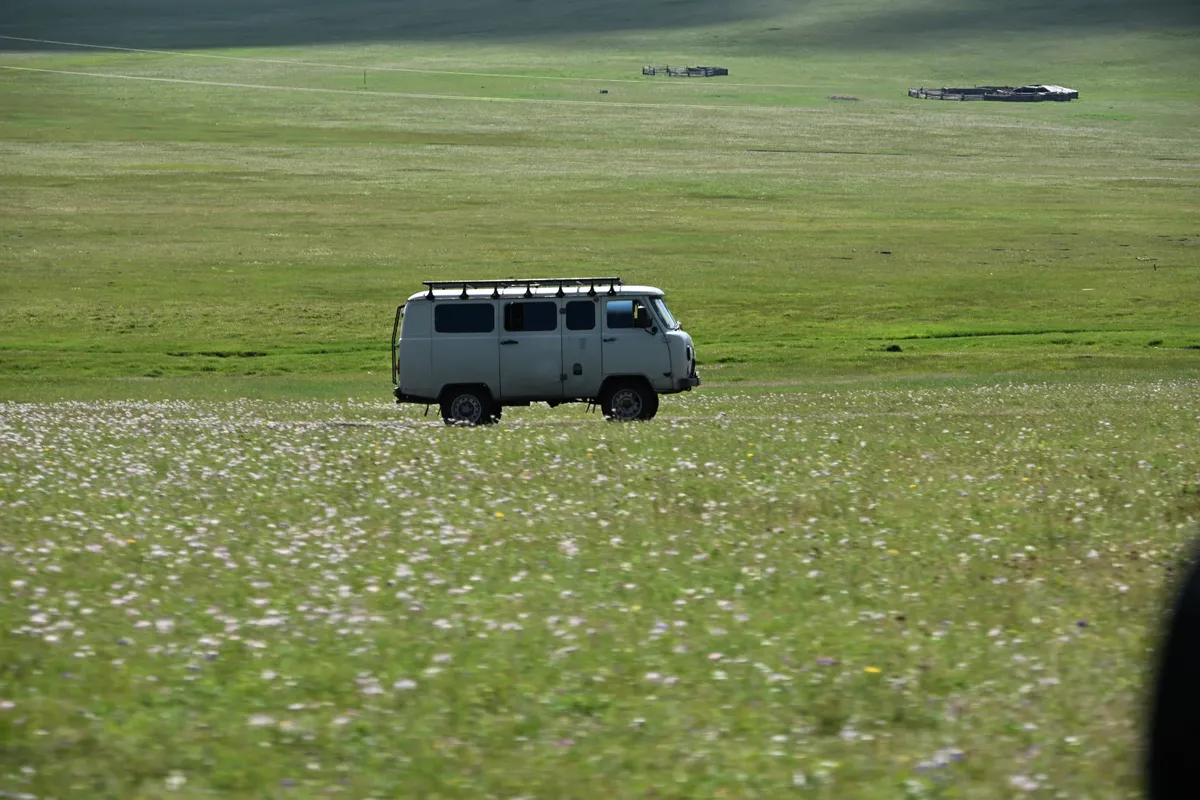
Continue west through Selenge and Bulgan provinces towards Mörön, the main town of Khövsgöl Province. This is a long travelling day, with stops along the way for meals and photographs.

Day 3
Mörön to Ulaan-Uul
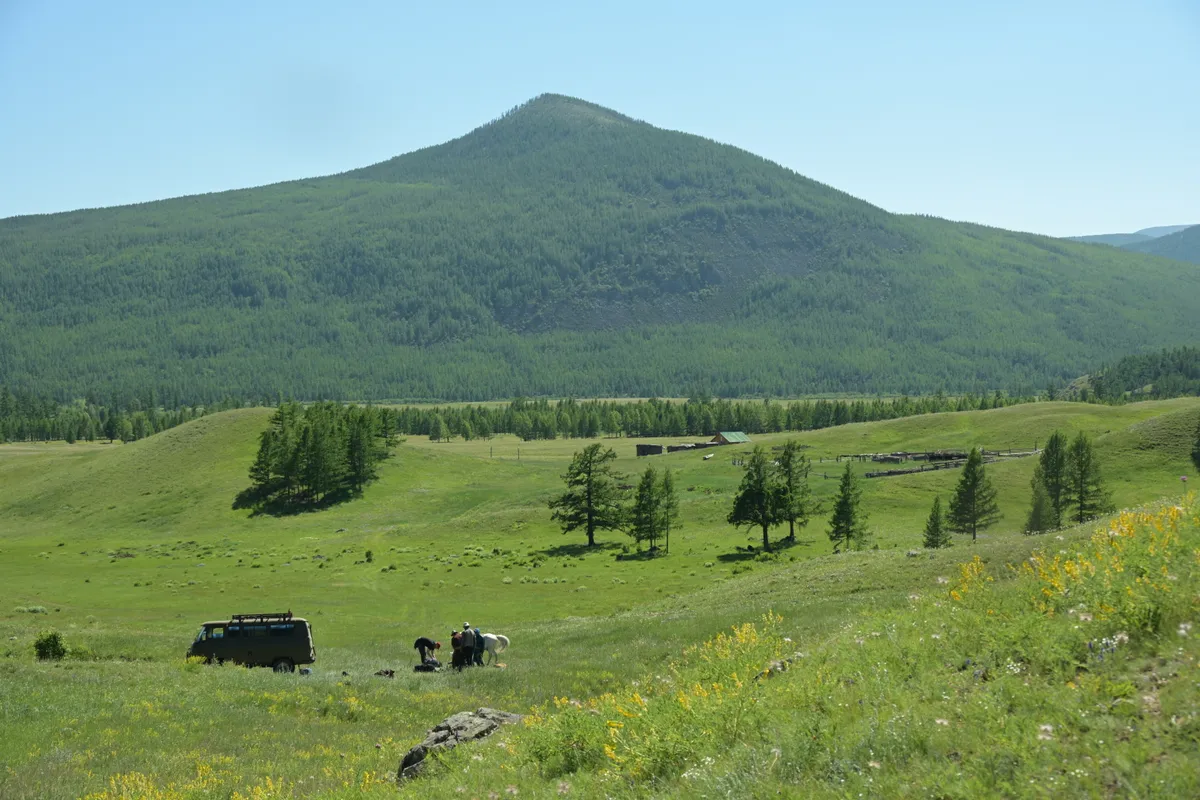
Leave the paved road behind and travel north-west into the Darkhad Valleys. The route crosses valleys, rivers and mountain passes before reaching Ulaan-Uul.
Meet the local ranger or tracker who will accompany the expedition, and spend the rest of the day preparing for the days in the taiga.
Day 4
Into the Ulaan Taiga
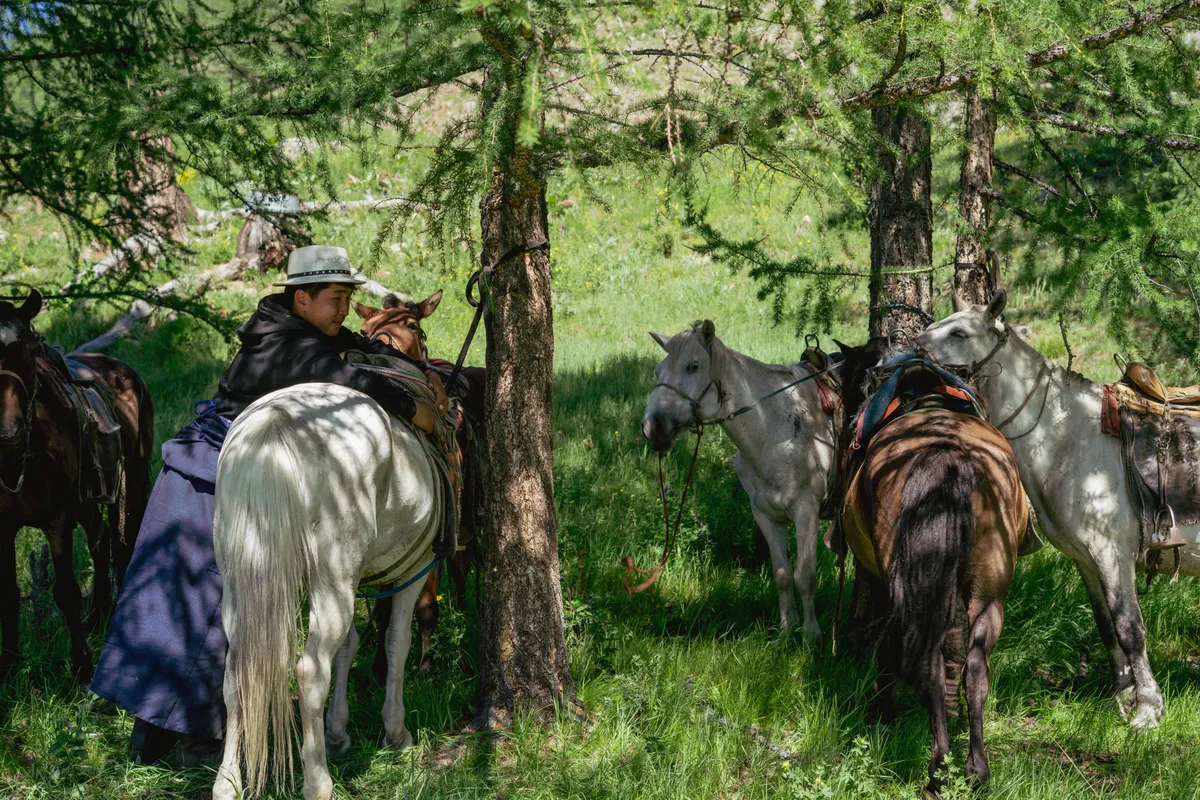
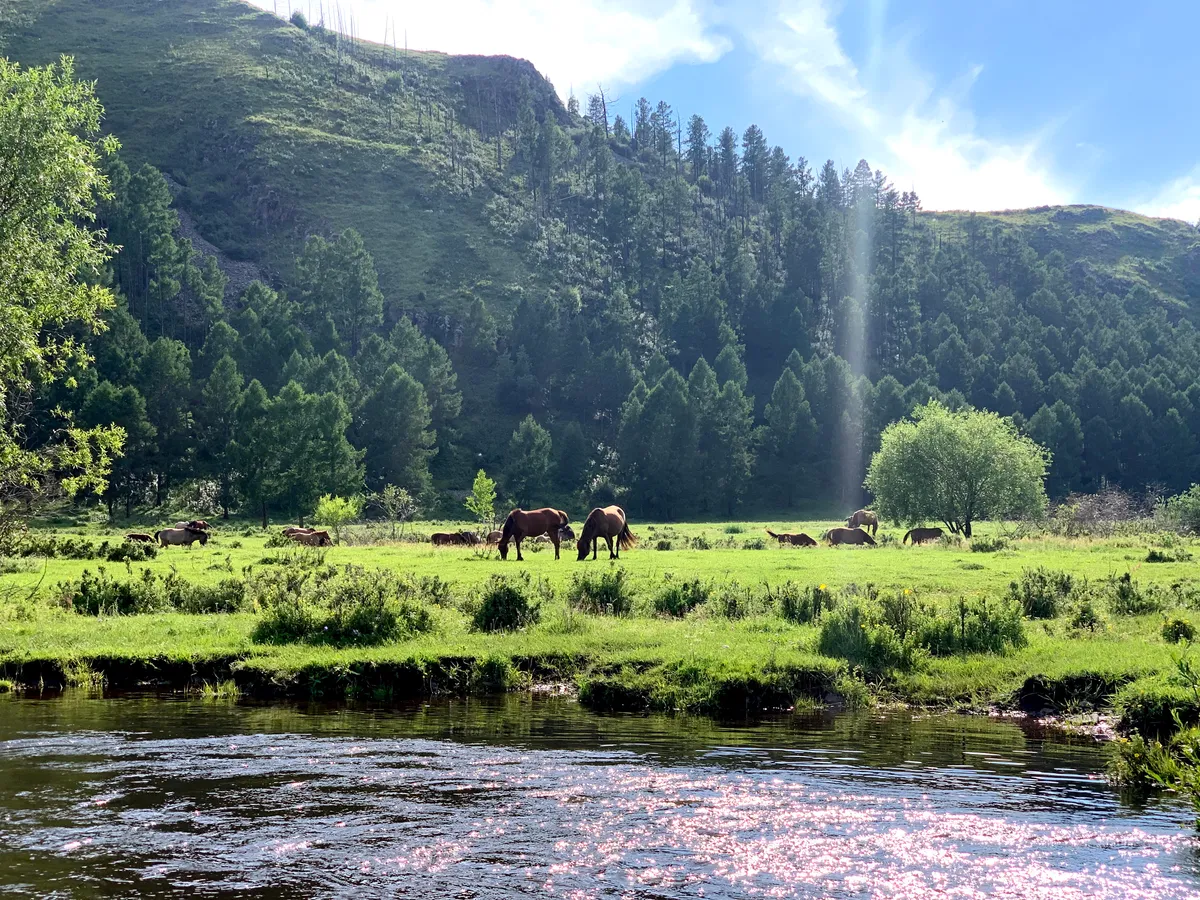
Drive from Ulaan-Uul for around two hours, following rough tracks as far as the vehicles can go. From there, load the equipment onto pack horses and continue into the taiga on horseback.
The ride normally covers around 20 kilometres and takes four to five hours. The exact distance may change depending on where the trackers have found the most recent bear signs. Once there, set up camp and begin checking the surrounding area.
Days 5–7
Brown Bear and Taiga Wildlife Tracking
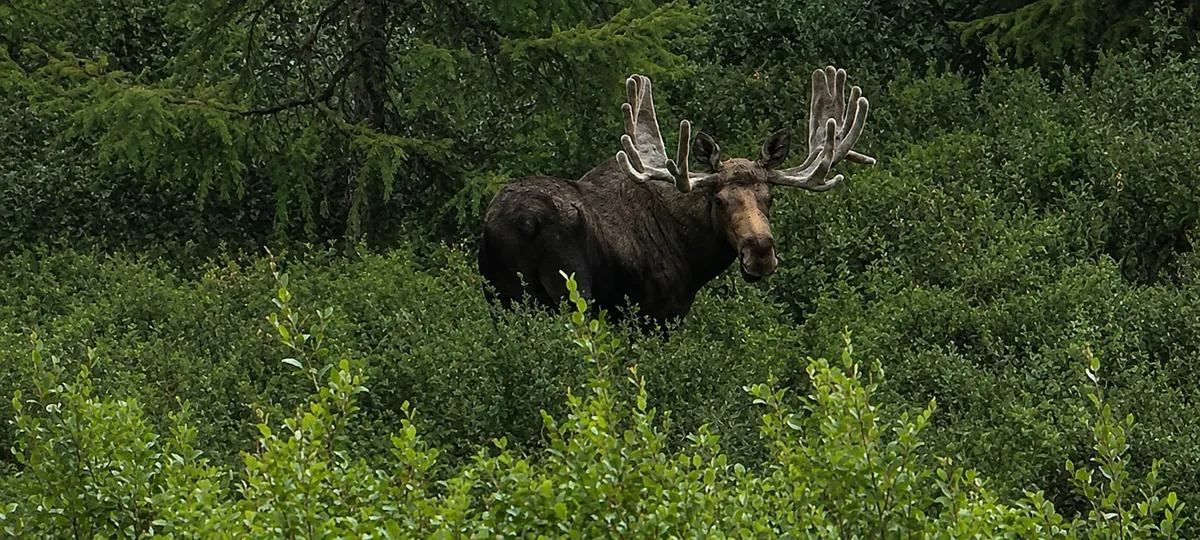
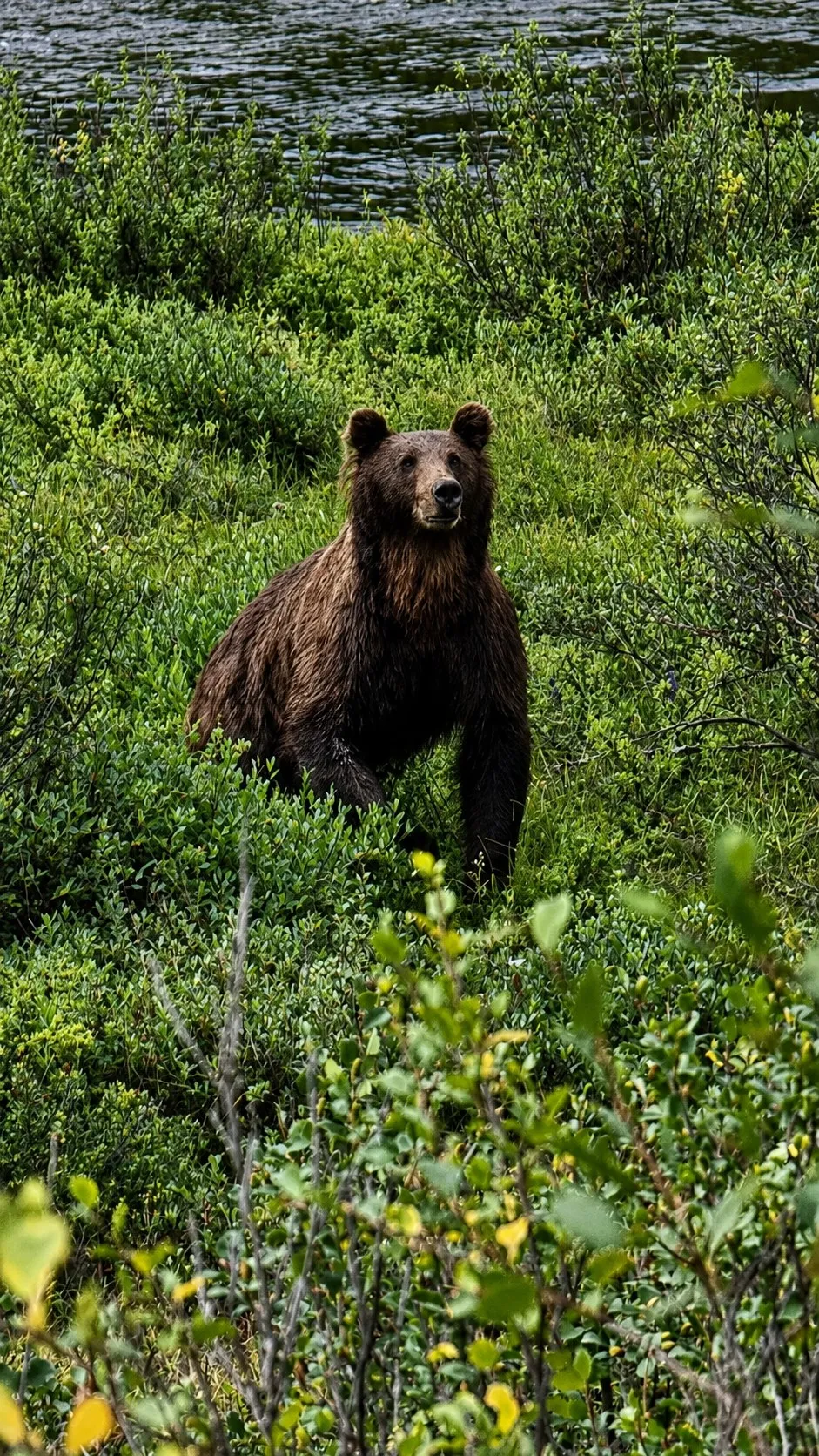
Three full days in the forest searching for brown bears and other wildlife. We follow tracks, check feeding areas and spend time watching places where there has been recent activity.
The days begin early and may involve long walks through forest and wetlands. Bears are naturally shy and range over a wide area, so much of the work is finding fresh signs and deciding where to wait.
We also look for moose, red deer, Siberian roe deer, musk deer and wild boar. Wolves, lynx and wolverines also live in these forests, although they are much harder to see. Tracks and other signs are often more common than direct sightings.
Day 8
Back to Ulaan-Uul
Pack up the camp and return on horseback along the same route. After approximately four to five hours in the saddle, meet the vehicles and drive back to Ulaan-Uul.
Day 9
Ulaan-Uul to Mörön
Drive back across the Darkhad Valley and continue to Mörön. Arrive in the late afternoon or evening.
Day 10
Flight to Ulaanbaatar
Transfer to Mörön Airport and take the domestic flight back to Ulaanbaatar.
Your expedition
What is included :
Included
- All ground transport in Mongolia, using our own vehicles and drivers, with fuel included
- All accommodation listed in the itinerary
- All meals and drinking water throughout the expedition
- Your expedition guide, together with the local rangers, trackers and spotters who work with us
- All park and reserve entry fees and permits
- Airport transfers in Ulaanbaatar on the scheduled arrival and departure days
- All camping and cooking equipment required by the itinerary
- Local flight from Mörön to Ulaanbaatar on the last day of the tour
Not included
- International flights to and from Ulaanbaatar
- Optional domestic flights offered instead of an overland journey
- Travel insurance, which is required and must cover medical evacuation
- Visa fees, where applicable
- Alcoholic drinks and personal expenses
- Optional activities or services not listed in the itinerary
Key species
Wildlife to look for on this expedition
Occasional
Brown bearUrsus arctosOccasional 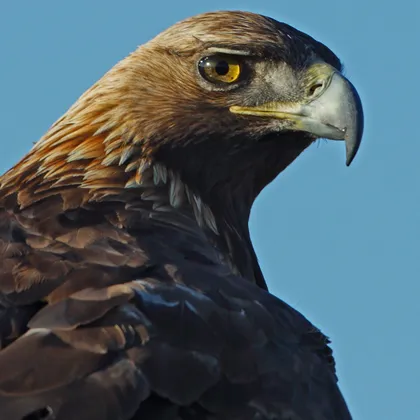
Golden eagleAquila chrysaetosOccasional 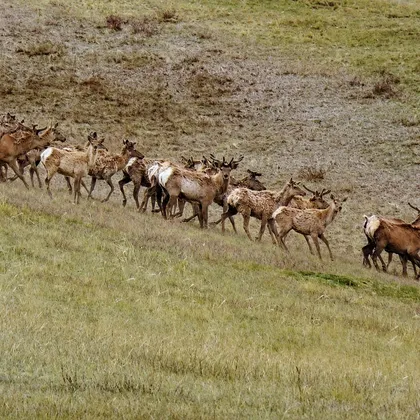
Red deerCervus elaphusOccasional
Rare
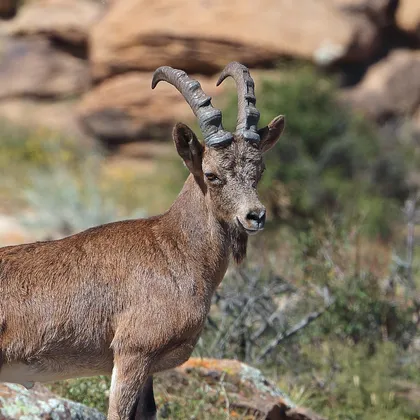
Siberian ibexCapra sibiricaRare 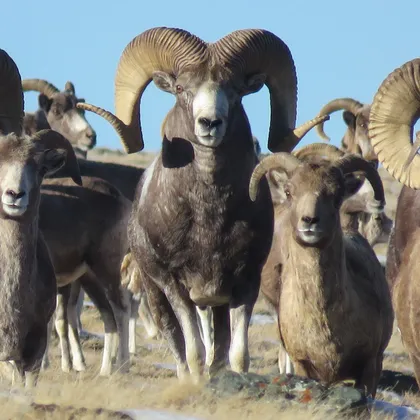
ArgaliOvis ammonRare 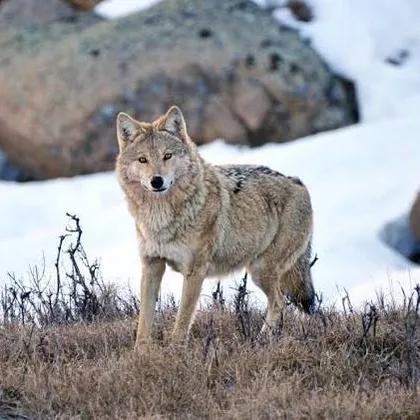
Grey wolfCanis lupusRare 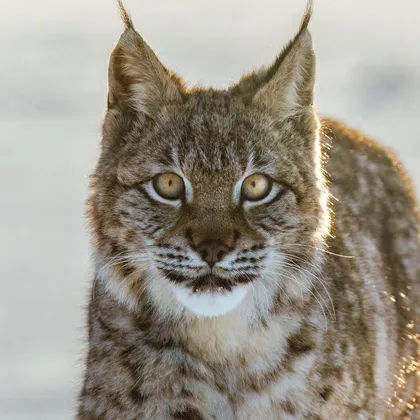
Eurasian lynxLynx lynxRare
Other species you may see
- Moose
- Siberian Roe Deer
- Siberian Musk Deer
- Wild Boar
- Wolverine
- Eurasian Otter
- Red Fox
- Black-billed Capercaillie
Before you book
The realities of this expedition
This is a remote expedition with basic facilities and long days in the field. It will not suit everyone, and we want you to know what to expect before you decide.
- Bear sightings are never guaranteed : We do not bait or attract the bears. Finding one depends on fresh tracks, weather, movement and a bit of luck. We may find plenty of signs without seeing the animal itself.
- Long time on horseback : Reaching the camp involves around four to five hours in the saddle, with the same journey on the way back. The ground can be wet and uneven.
- Four nights in a simple camp : There are no showers, electricity or permanent facilities in the taiga. Toilets are outside and water for washing is limited.
- Long days on foot : Tracking may involve a few hours of walking through forest, wetlands and rough ground. A reasonable level of fitness is necessary.
- Cold, rain and insects : The weather can change quickly, even in summer. Nights may be cold, and mosquitoes can be numerous.
- The route must remain flexible : The location of the camp depends on the latest bear signs found by the trackers. Weather, river levels and road conditions may also change the route or timing.
- There is no quick way out : Once we enter the taiga, the nearest road is several hours away on horseback. Leaving early or arranging an evacuation takes time.
How we watch
Watching without disturbing
We keep our distance, never bait or call animals, and do not use drones. In the field, we follow the guidance of the local rangers and researchers working with us. Every traveller is briefed before the expedition.
Sightings are never guaranteed. The welfare of the animal always comes before the photograph.
Ask us anything about this trip
Dates, fitness, cold, cameras, or what happens if the weather closes in. We answer these ourselves.