Wildlife
What lives out there
The species found across the places we work, what is known about them, and which expeditions take you into their range. Together, they represent some of Mongolia’s most characteristic wildlife, found across its mountains, steppes, deserts and northern forests.
For each species, expeditions are colour-coded by how likely a sighting is : green for regular, sand for occasional, and red for rare.
Carnivores
6 species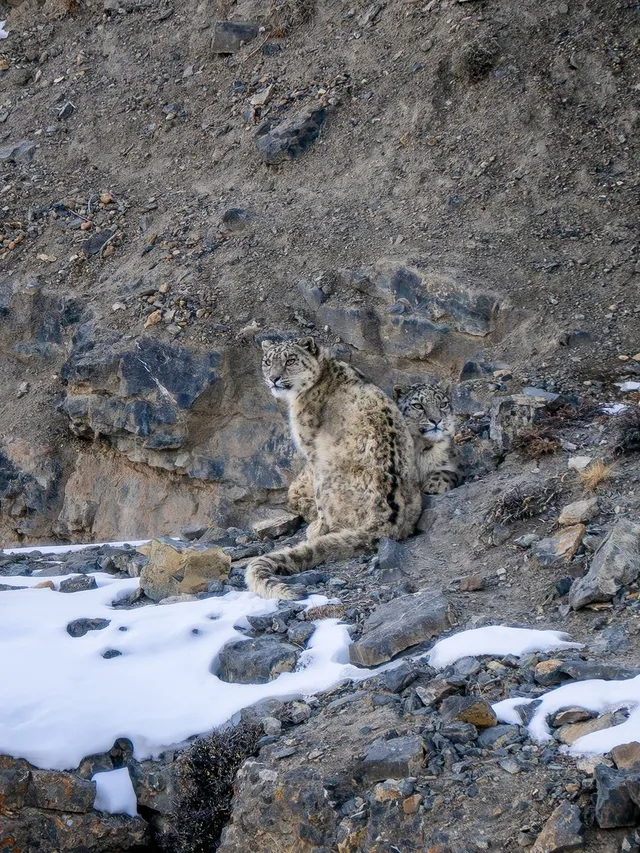
Snow leopard
Panthera uncia
In Tost Tosonbumba, snow leopards move through a vast landscape of rocky ridges and valleys where finding them takes patience and experienced local eyes.
- Body
- 100–130 cm, plus a tail nearly as long again
- Weight
- 22–55 kg
- Status here
- 22 to 27 adults at Tost in the 2023 camera survey, plus nine cubs from four females.
- Monitoring
- Every adult known individually, tracked since 2008 by camera trap and collar.
- Habitat
- Broken cliff and scree above 2,000 mTost Tosonbumba Nature Reserve, Mongolian Altai, Gobi Gurvansaikhan National Park
Expedition
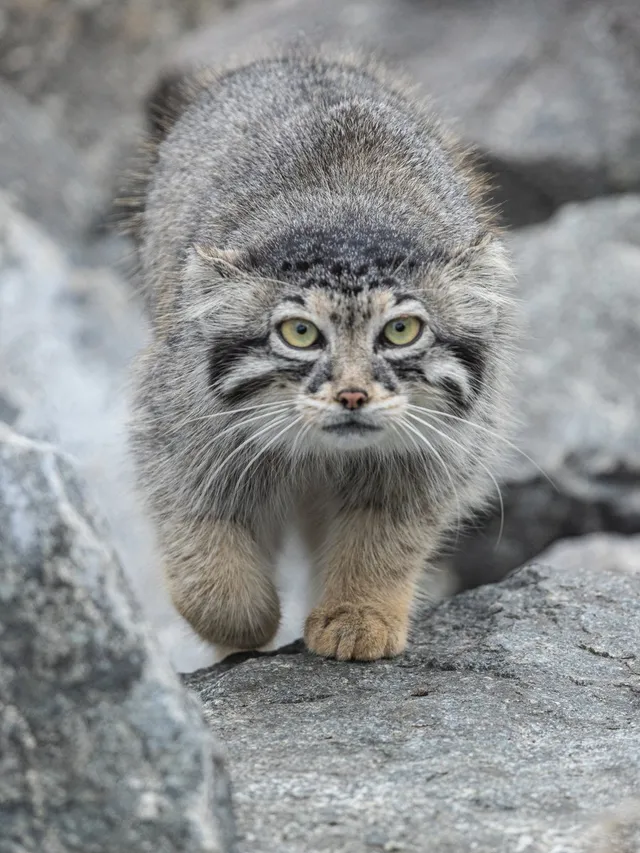
Pallas's cat
Otocolobus manul
A small and elusive wild cat of Mongolia’s open steppe, known for its thick coat, flat face and ability to blend into the landscape.
- Body
- 46–65 cm
- Weight
- 2.5–4.5 kg
- Status here
- Mongolia is a stronghold. Not threatened, but so cryptic it is rarely recorded.
- Habitat
- Rocky steppe, often near marmot burrowsSteppe Wildlife Conservation & Research Center, Tost Tosonbumba Nature Reserve, Gobi Gurvansaikhan National Park
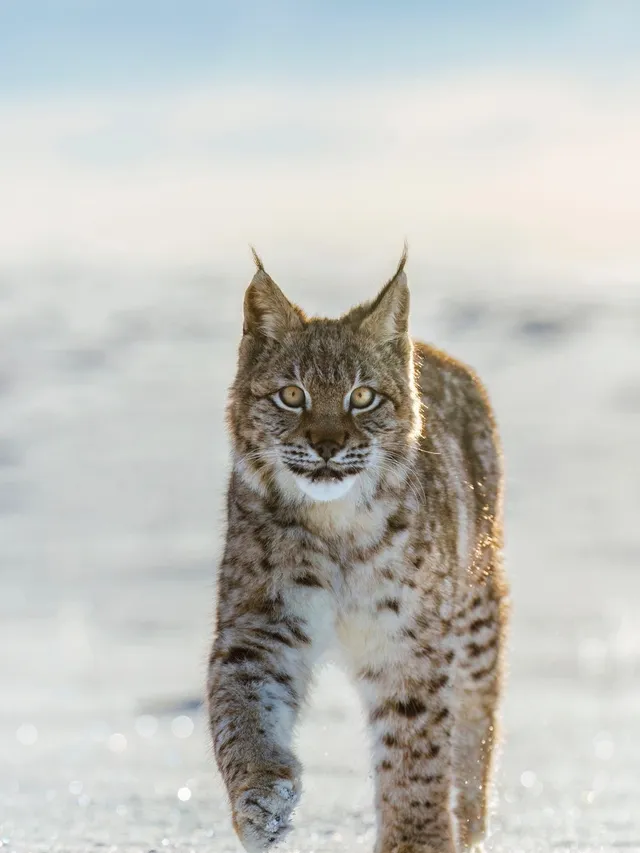
Eurasian lynx
Lynx lynx
Forest and mountain across the north and west. Seen far less often than it is present.
- Body
- 80–130 cm
- Weight
- 18–30 kg
- Status here
- Widespread in wooded mountain country. Not threatened, but trapped for fur.
- Habitat
- Khövsgöl taiga, the Khangai, the Khentii and the Mongolian Altai
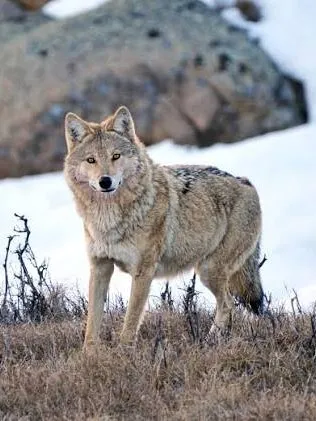
Grey wolf
Canis lupus
Widespread and widely hunted, which is exactly why they are rarely seen.
- Body
- 105–160 cm
- Weight
- 25–50 kg
- Status here
- Numerous, unprotected, and hunted year-round. Which is why you almost never see one.
- Habitat
- Everywhere, from taiga to open desertAcross the country
Expedition
- Seen across multiple expeditions
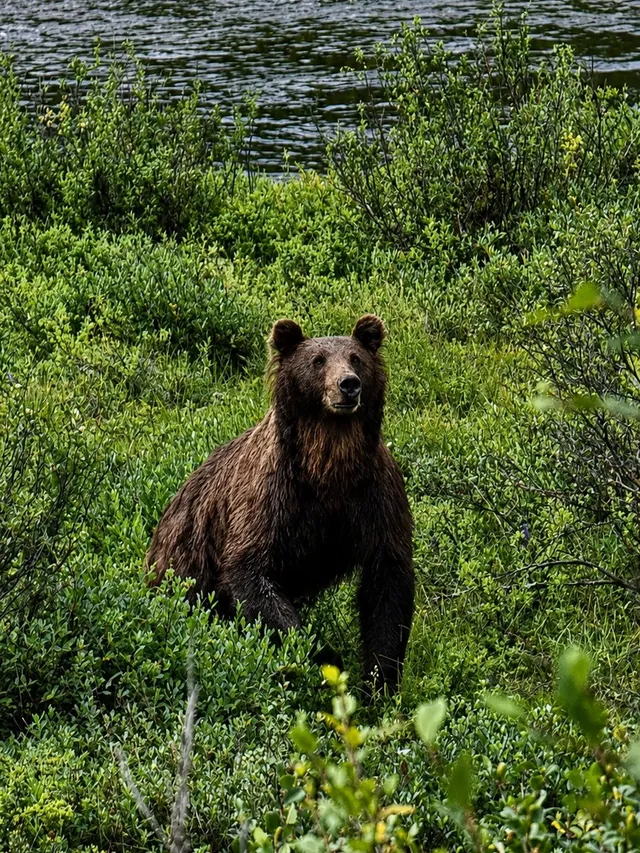
Brown bear
Ursus arctos
A large bear found in the remote forests of northern Mongolia, where tracks and signs are often seen before the animal itself.
- Body
- 150–250 cm
- Weight
- 100–350 kg
- Status here
- Secure in the northern forests, and rarely seen in any of them.
- Habitat
- Taiga and river valleys of the north
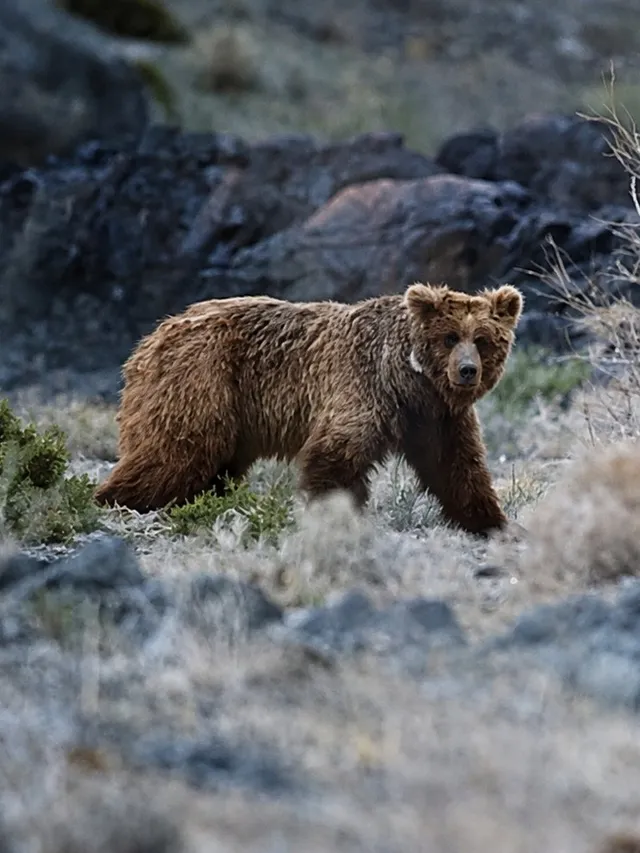
Mazaalai
Ursus arctos gobiensis
One of the world’s rarest bears, found only in the remote desert of Mongolia’s Great Gobi.
- Body
- 100–150 cm
- Weight
- 50–120 kg
- Status here
- Around forty animals, in one protected area and nowhere else on earth.
- Habitat
- Desert oases of the Great Gobi, in the far south-west
Expedition
- Mazaalai — Gobi Bear
Hoofed mammals
9 species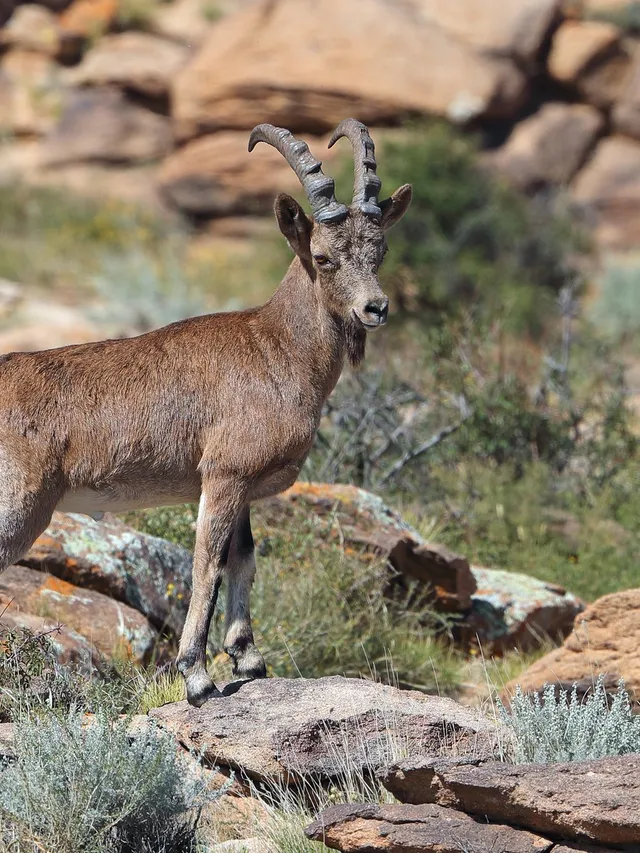
Siberian ibex
Capra sibirica
A sure-footed wild goat found on the rocky ridges and steep mountain slopes of Mongolia.
- Shoulder
- 67–110 cm
- Weight
- 35–130 kg, males far heavier
- Status here
- Common across the ranges and the snow leopard’s main prey. Slowly declining under hunting.
- Habitat
- Cliff faces and scree slopes, often in groupsAcross the country
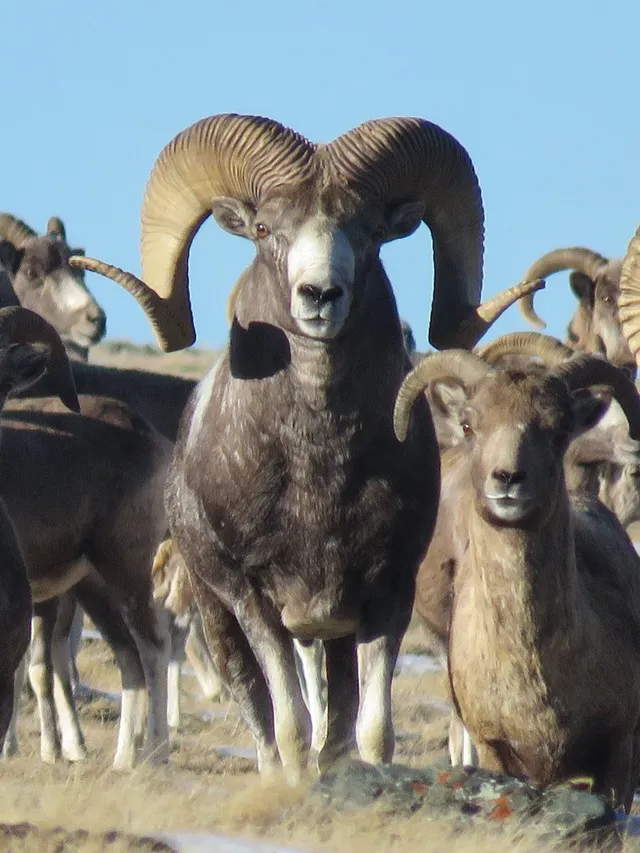
Argali
Ovis ammon
The largest wild sheep on earth. Mongolia holds most of the world’s population.
- Shoulder
- 90–125 cm
- Weight
- 60–180 kg
- Status here
- Mongolia holds most of the world’s argali. Near Threatened range-wide.
- Habitat
- Open rocky steppe and rolling outcropsAcross the country
Expedition
- Seen across multiple expeditions
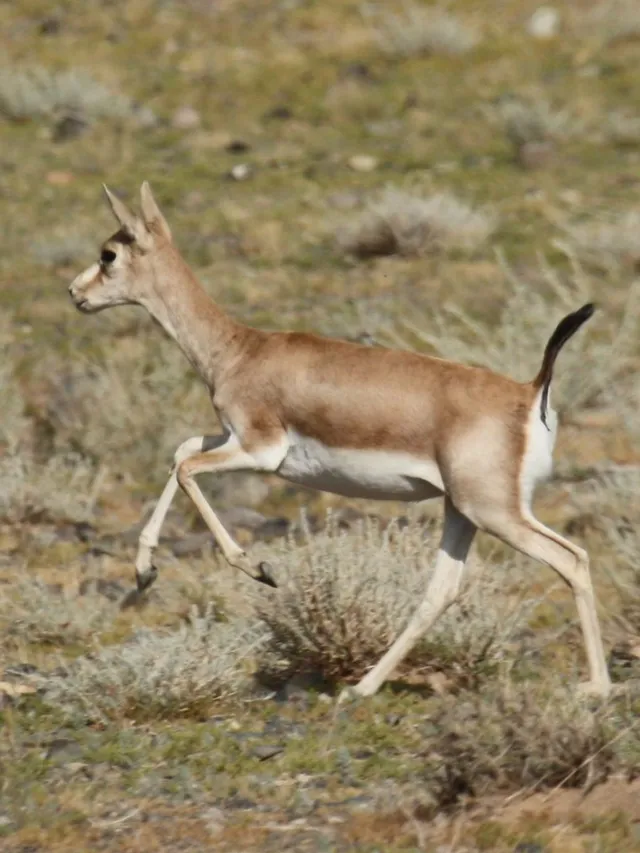
Goitered gazelle
Gazella subgutturosa
The desert gazelle, black-tailed. Small herds on the gravel plains, usually running before you have the scope up.
- Shoulder
- 60–80 cm
- Weight
- 18–33 kg
- Status here
- Still widespread across the Gobi, but well below historic numbers. Vulnerable range-wide.
- Habitat
- Gravel desert and semi-desert plainTost Tosonbumba Nature Reserve, Gobi Gurvansaikhan National Park, Great Gobi A Strictly Protected Area, Mongolian Altai
Expedition
- In search of the Snow Leopard
- Mazaalai — Gobi Bear
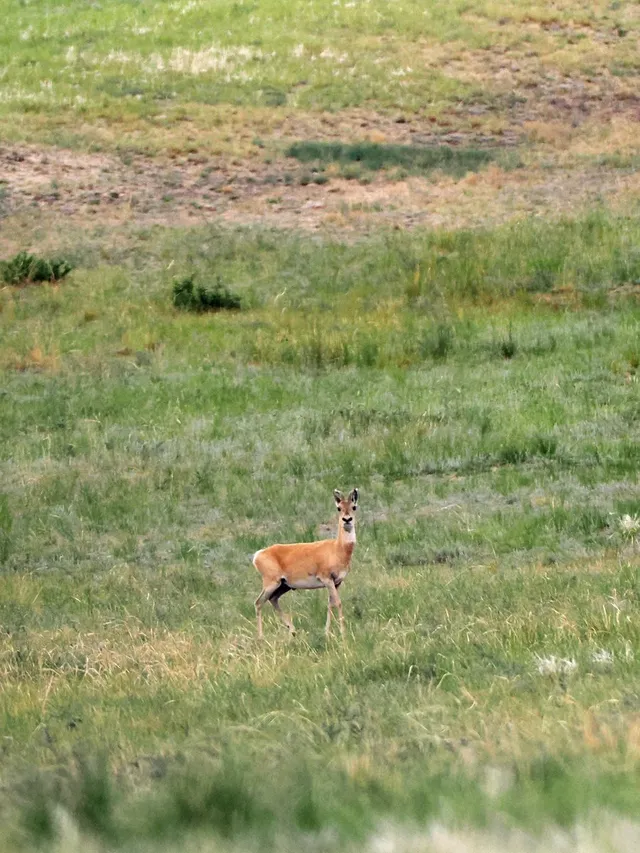
Mongolian gazelle
Procapra gutturosa
The steppe gazelle, white-tailed. The eastern grasslands still hold herds of a size that has disappeared almost everywhere else.
- Shoulder
- About 75 cm
- Weight
- 25–30 kg, males the heavier
- Status here
- About 2.1 million in Mongolia in the 2020–2022 ground surveys — one of the largest wild ungulate populations left anywhere. Least Concern.
- Habitat
- Open steppe grassland, not desertIkh Nartiin Chuluu Nature Reserve, Steppe Wildlife Conservation & Research Center
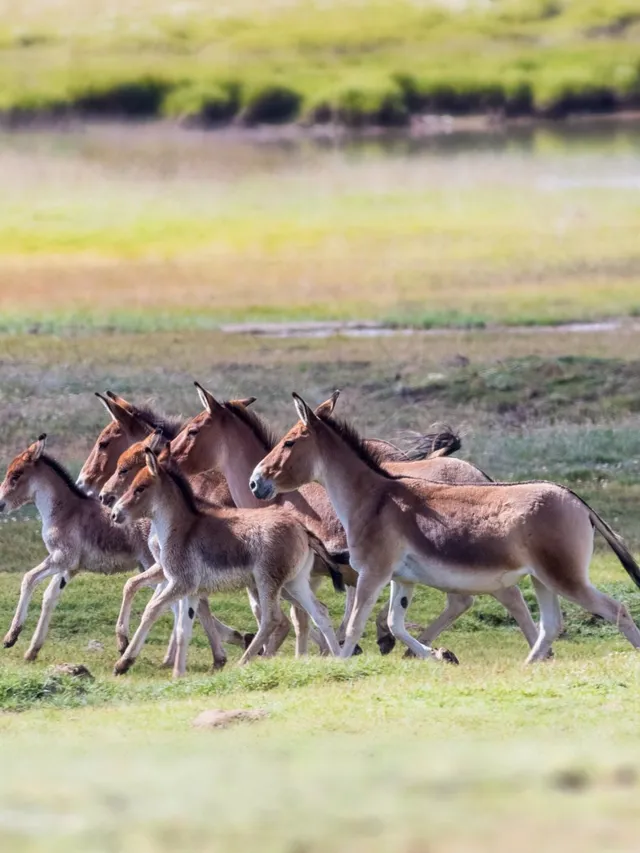
Asiatic wild ass
Equus hemionus
Known in Mongolia as the khulan, this fast-moving wild ass roams the open plains and deserts of the Gobi.
- Shoulder
- 100–140 cm
- Weight
- 200–260 kg
- Status here
- The Mongolian Gobi holds more than 80 percent of the world’s khulan — around 64,000 animals. Near Threatened.
- Habitat
- Gravel steppe and semi-desert, wherever there is water within a day’s walkGreat Gobi A Strictly Protected Area
Expedition
- Mazaalai — Gobi Bear
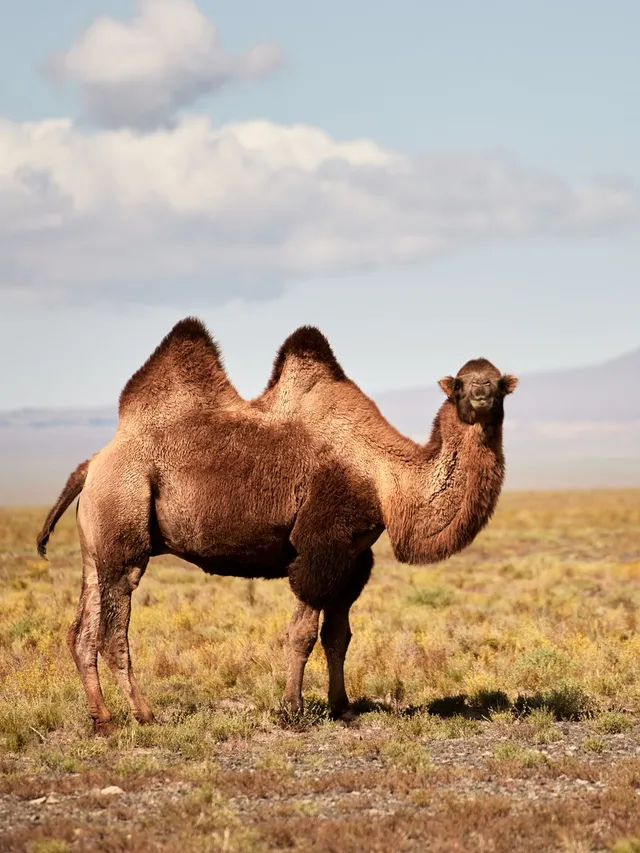
Wild Bactrian camel
Camelus ferus
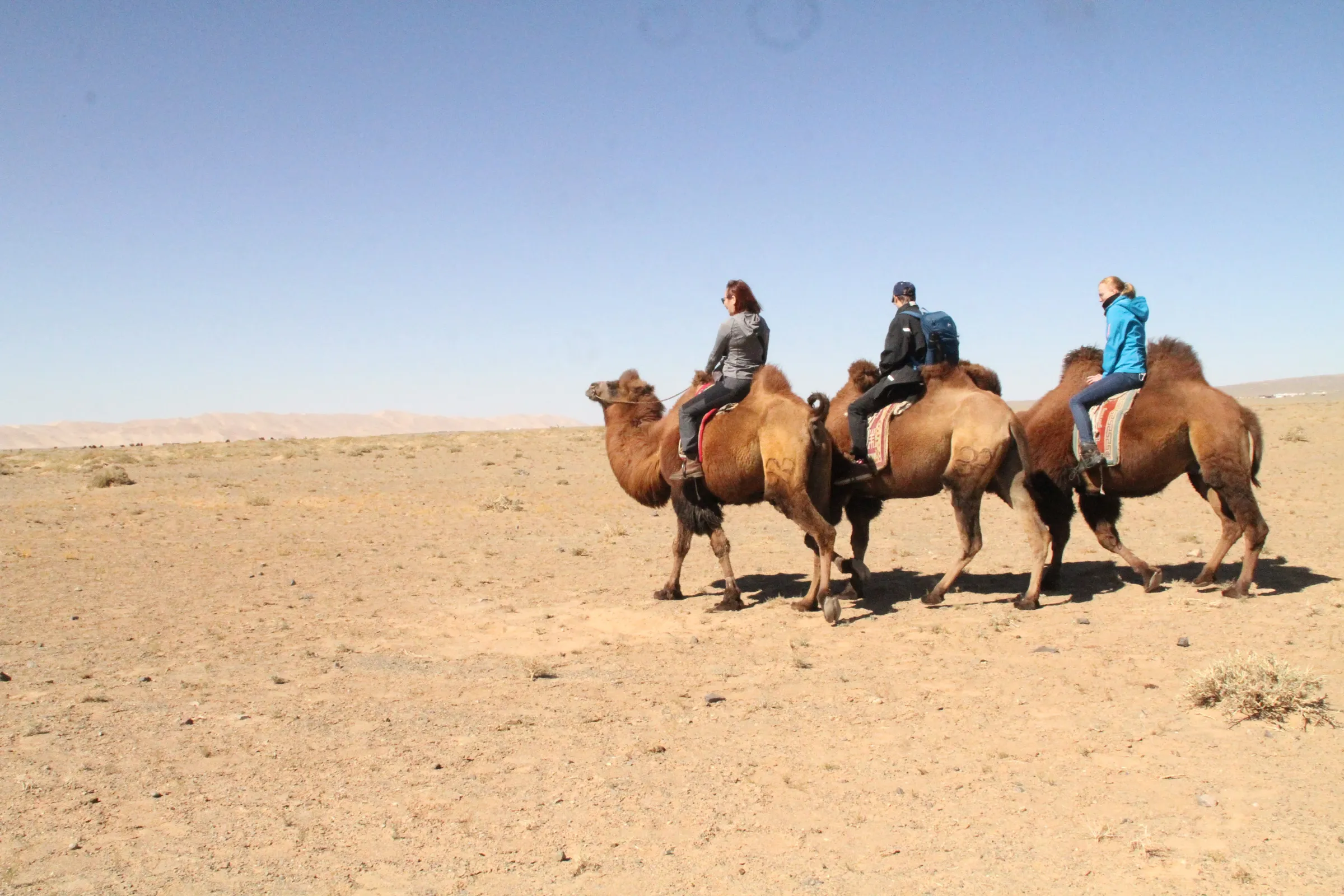
Not the camel you will ride. A separate species from the domestic Bactrian, and one of the rarest large mammals alive.
- Shoulder
- 180–230 cm
- Weight
- 300–690 kg — slighter than the domestic animal
- Status here
- Critically Endangered. Fewer than 1,000 left on earth, about 450 of them in Mongolia.
- Not the same animal
- Camelus ferus, wild; Camelus bactrianus, herded. The two lines split more than 700,000 years ago, and interbreeding with domestic herds is one of the threats to the wild one.
- Habitat
- The Transaltai Gobi, in the Great Gobi A — and three sites in ChinaGreat Gobi A Strictly Protected Area
Expedition
- Mazaalai — Gobi Bear
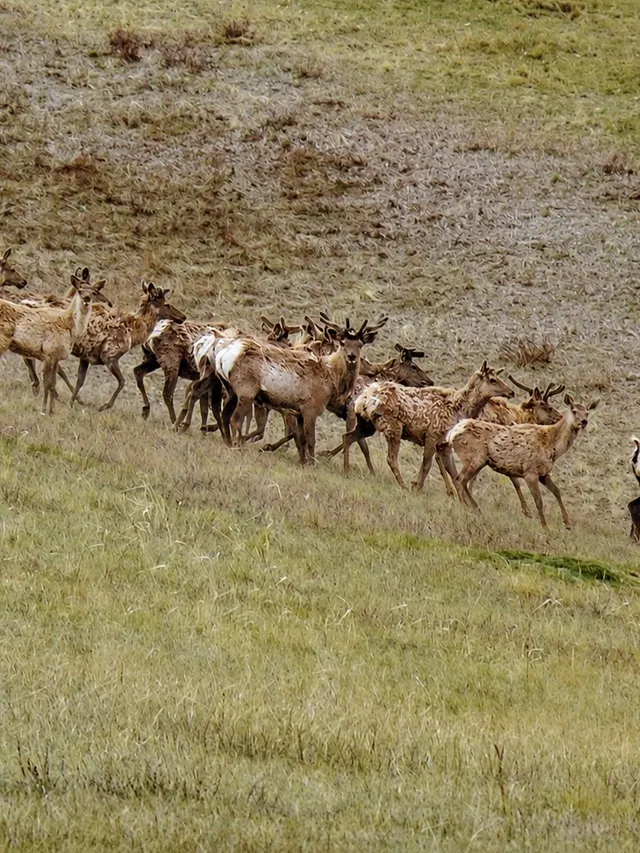
Red deer
Cervus elaphus
Recovering in the protected reserves after heavy decline.
- Shoulder
- 105–140 cm
- Weight
- 100–250 kg
- Status here
- Mongolia’s population fell by more than ninety percent in two decades. Recovering inside reserves.
- Habitat
- Wooded valleys and reserve marginsHustai National Park, Tengis-Shishged National Park, Horidol Saridag Strictly Protected Area, Mongolian Altai
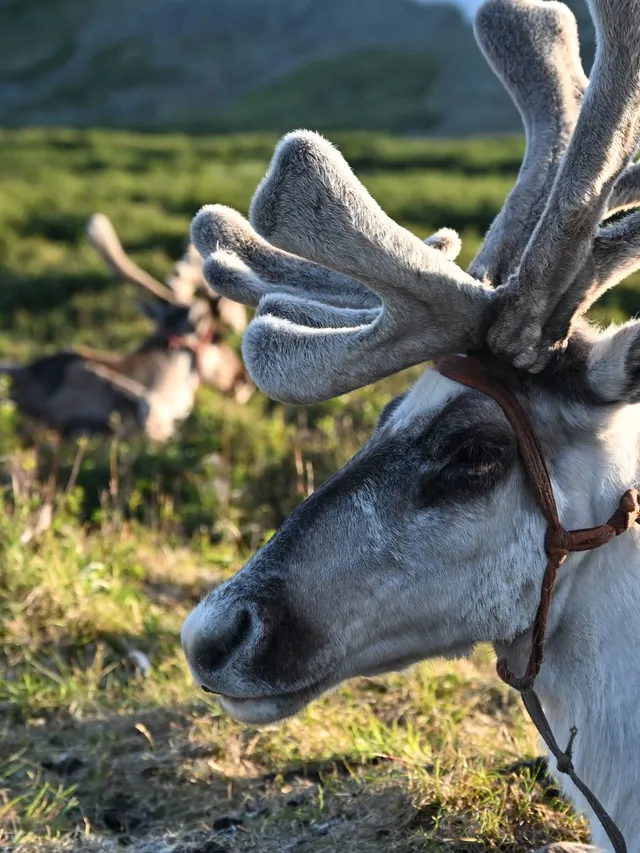
Reindeer
Rangifer tarandus
Herded, not wild — the animals the Tsaatan families live alongside.
- Shoulder
- 85–150 cm
- Weight
- 60–170 kg
- Status here
- Domesticated; the Tsaatan herd roughly 1,000
- Habitat
- High summer pasture above the tree lineTengis-Shishged National Park, Ulaan Taiga Strictly Protected Area, Horidol Saridag Strictly Protected Area
Expedition
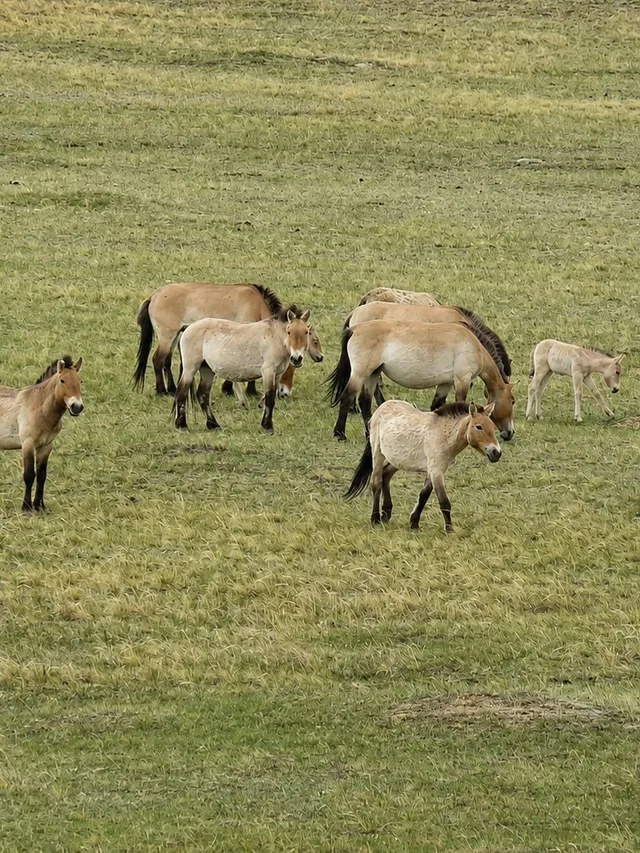
Przewalski's horse
Equus ferus przewalskii
Known in Mongolia as the takhi, Przewalski’s horse once disappeared from the wild but was reintroduced in 1992 and now roams freely again in Hustai National Park.
- Shoulder
- 120–146 cm
- Weight
- 200–300 kg
- Status here
- Extinct in the wild by the 1960s. Reintroduced from zoo stock in 1992; several hundred now run free.
- Habitat
- Reintroduced at Khustai, Takhin Tal and Khomyn TalHustai National Park
Birds of prey
4 species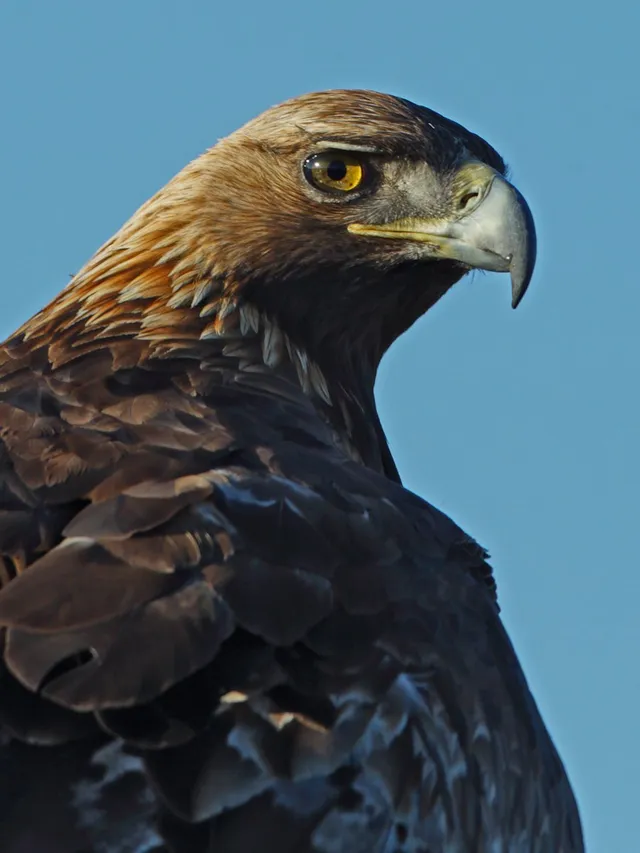
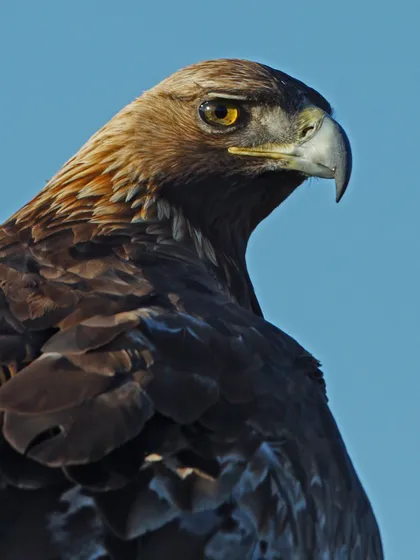
Golden eagle
Aquila chrysaetos
Hunting the ridgelines year round, and still trained by hunters in the far west.
- Wingspan
- 180–230 cm
- Weight
- 3–6.5 kg
- Status here
- Secure across the country, and still flown by Kazakh hunters in the far west.
- Habitat
- Ridges and cliffs across the whole countryAcross the country
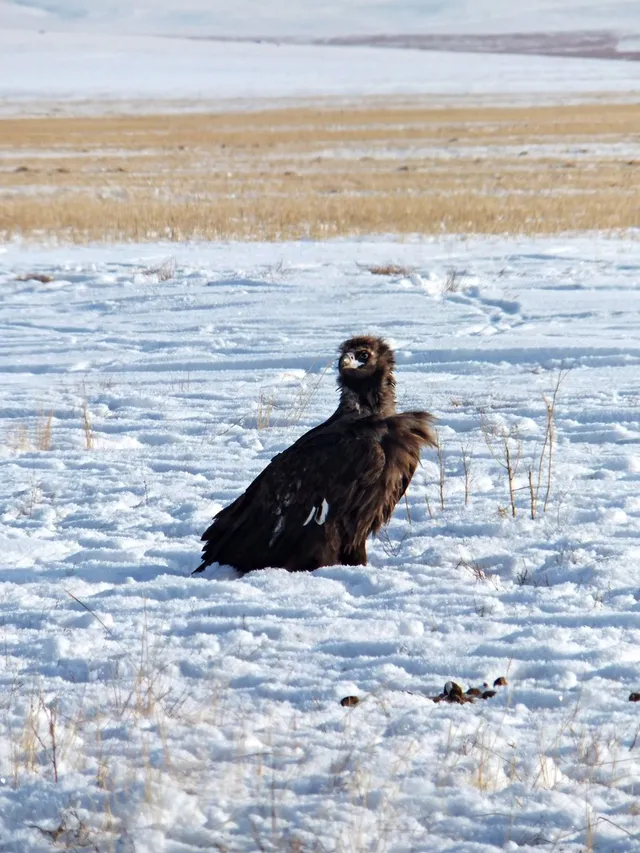
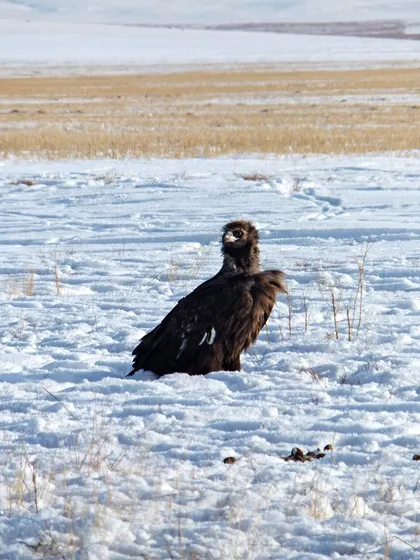
Cinereous vulture
Aegypius monachus
One of the heaviest flying birds in the world, and hard to miss overhead.
- Wingspan
- 250–300 cm
- Weight
- 7–14 kg
- Status here
- One of the largest breeding populations anywhere, while the species declines elsewhere.
- Habitat
- Anywhere with carrion and a thermalAcross the country
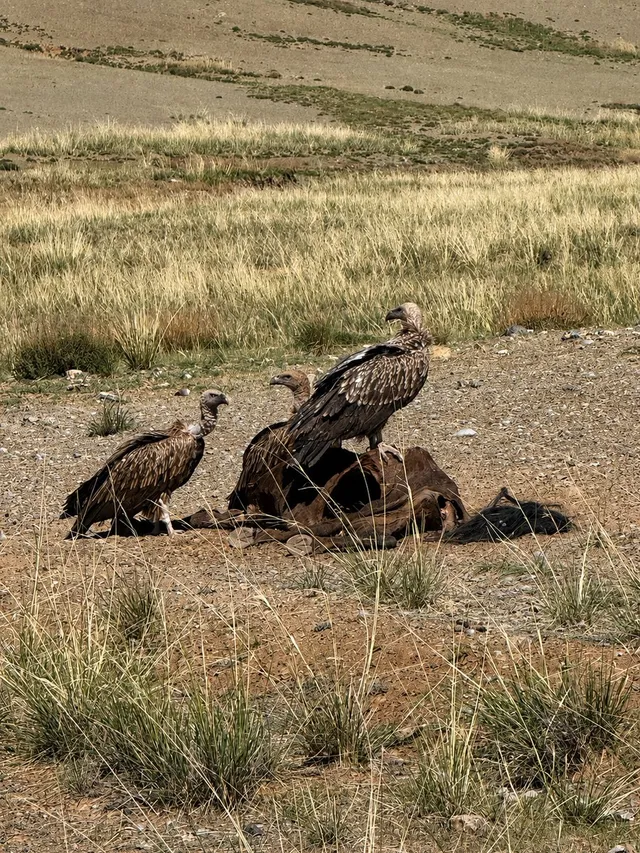
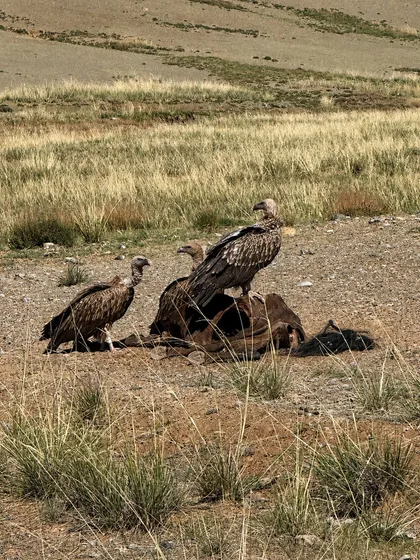
Himalayan vulture
Gyps himalayensis
Bigger than the cinereous vulture, and paler. Winters lower and further north than its name suggests.
- Wingspan
- 260–300 cm
- Weight
- 8–12 kg
- Status here
- Recorded in the southern mountains, chiefly outside the breeding season. Scarcer than the cinereous vulture.
- Habitat
- High ground and updraughts along the Gobi rangesGobi Gurvansaikhan National Park, Tost Tosonbumba Nature Reserve, Ikh Nartiin Chuluu Nature Reserve, Mongolian Altai
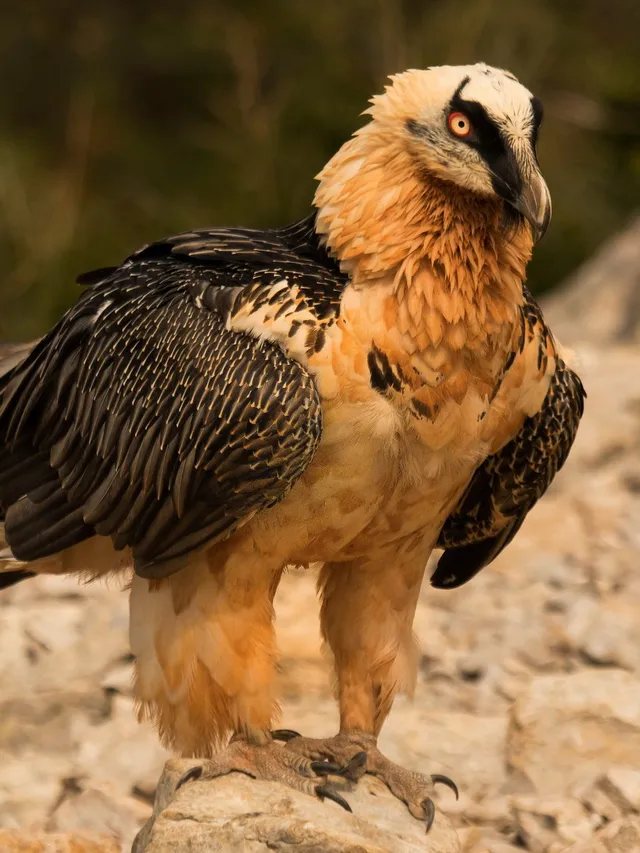
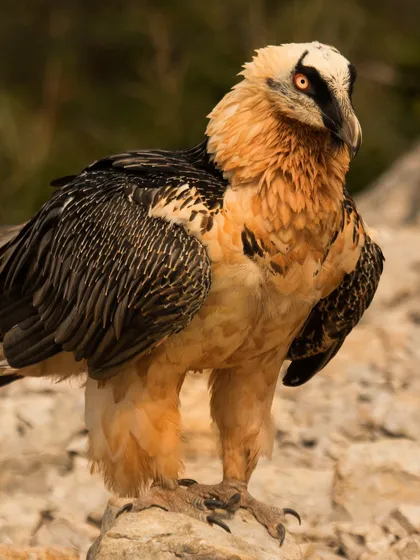
Bearded vulture
Gypaetus barbatus
Yolyn Am is named for this bird — yol is the Mongolian word for it.
- Wingspan
- 230–280 cm
- Weight
- 4.5–7 kg
- Status here
- Resident in the high massifs but never numerous. Scarce everywhere it occurs.
- Diet
- Bone, largely — it drops them on rock to split them
- Habitat
- Gobi Gurvansaikhan National Park, Mongolian Altai, Tost Tosonbumba Nature Reserve, Hustai National Park, Tengis-Shishged National Park, Horidol Saridag Strictly Protected Area
Tost Tosonbumba Nature Reserve
11 species · South Gobi · In search of the Snow Leopard ExpeditionCarnivores
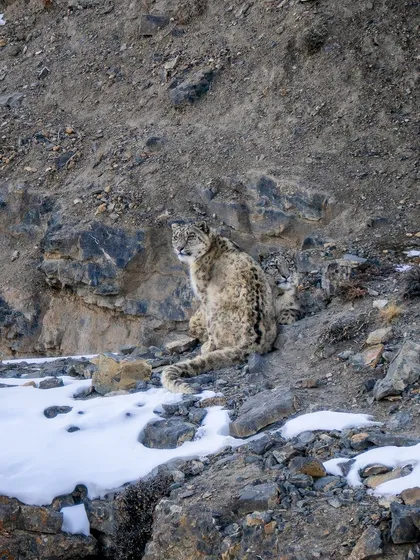
Snow leopard
Panthera uncia
Regular
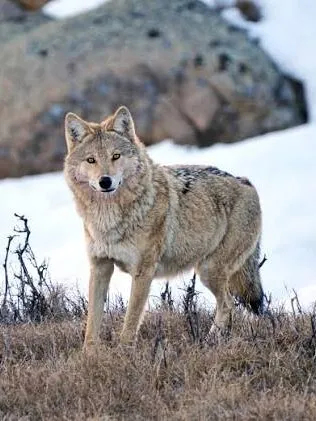
Grey wolf
Canis lupus
Occasional
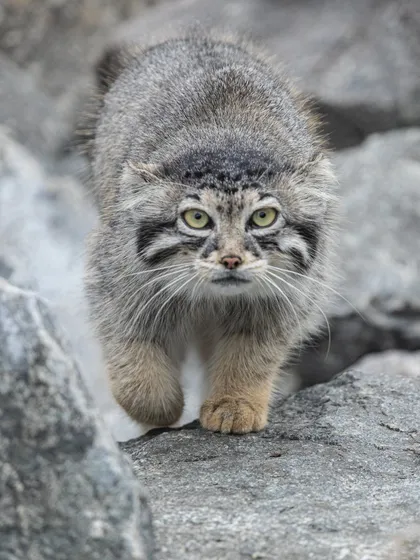
Pallas's cat
Otocolobus manul
Occasional
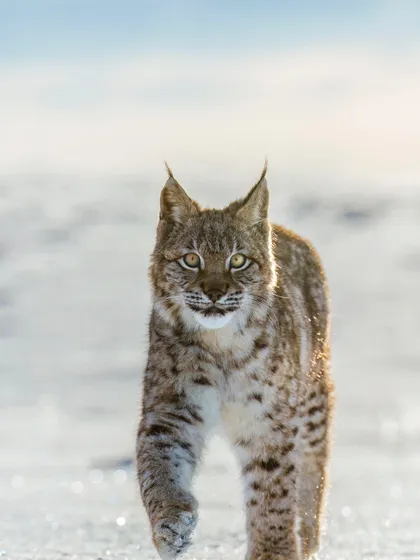
Eurasian lynx
Lynx lynx
Very rare
Hoofed mammals
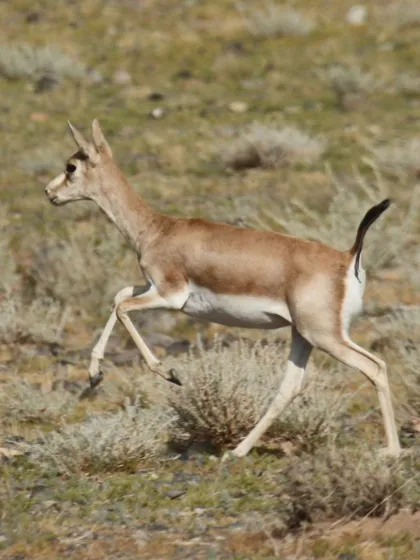
Goitered gazelle
Gazella subgutturosa
Regular
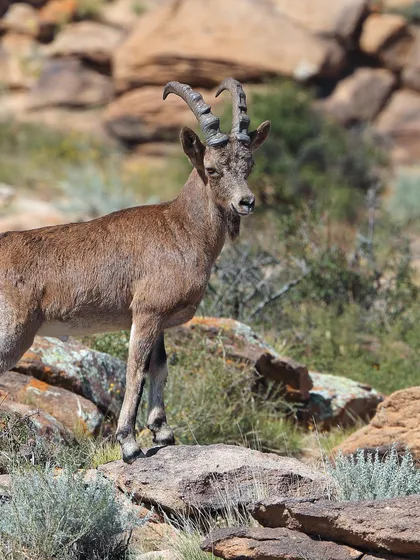
Siberian ibex
Capra sibirica
Regular
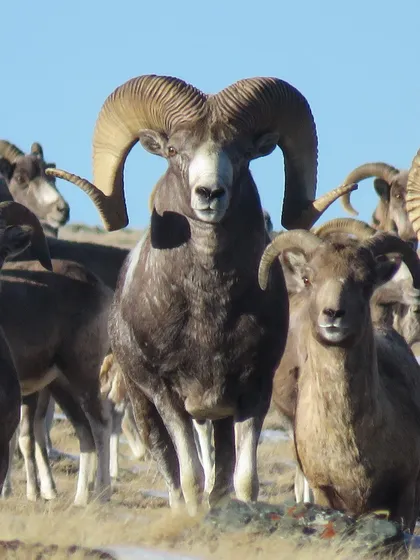
Argali
Ovis ammon
Occasional
Birds of prey
Cinereous vulture
Aegypius monachus
Regular
Golden eagle
Aquila chrysaetos
Regular
Bearded vulture
Gypaetus barbatus
Occasional
Himalayan vulture
Gyps himalayensis
OccasionalJun-Aug only
Gobi Gurvansaikhan National Park
11 species · South Gobi · In search of the Snow Leopard ExpeditionCarnivores
Grey wolf
Canis lupus
Occasional
Pallas's cat
Otocolobus manul
Occasional
Snow leopard
Panthera uncia
Occasional
Eurasian lynx
Lynx lynx
Very rare
Hoofed mammals
Goitered gazelle
Gazella subgutturosa
Regular
Siberian ibex
Capra sibirica
Regular
Argali
Ovis ammon
Occasional
Birds of prey
Bearded vulture
Gypaetus barbatus
Regular
Cinereous vulture
Aegypius monachus
Regular
Golden eagle
Aquila chrysaetos
Regular
Himalayan vulture
Gyps himalayensis
RegularJun-Aug only
Great Gobi A Strictly Protected Area
10 species · South-west Gobi · Mazaalai — Gobi Bear ExpeditionCarnivores
Grey wolf
Canis lupus
Occasional
Eurasian lynx
Lynx lynx
Very rare
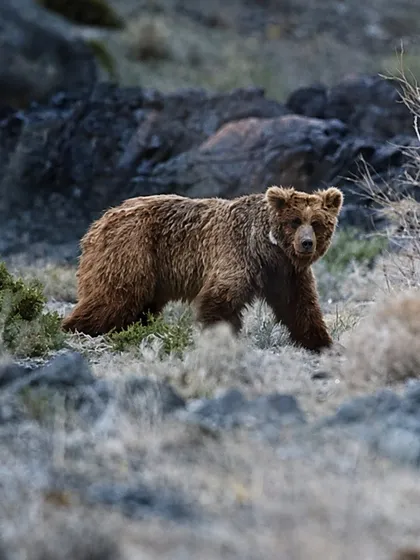
Mazaalai
Ursus arctos gobiensis
Very rare
Pallas's cat
Otocolobus manul
Very rare
Snow leopard
Panthera uncia
Very rare
Hoofed mammals
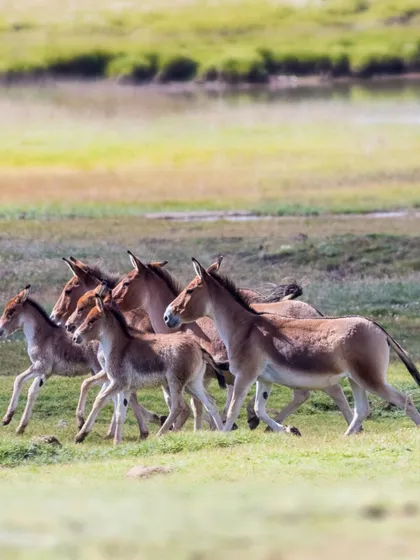
Asiatic wild ass
Equus hemionus
Regular
Argali
Ovis ammon
Occasional
Goitered gazelle
Gazella subgutturosa
Occasional
Siberian ibex
Capra sibirica
Occasional
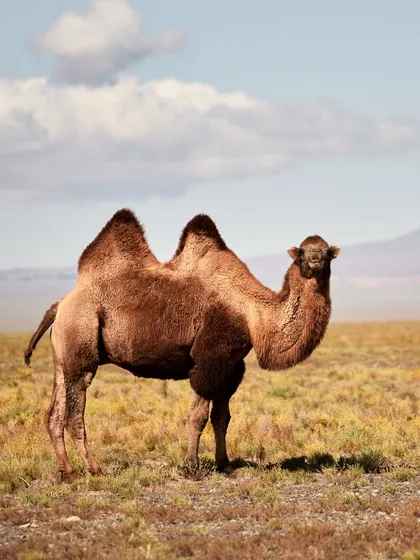
Wild Bactrian camel
Camelus ferus
Occasional
Ikh Nartiin Chuluu Nature Reserve
13 species · Dornogovi · Argali, Ibex & Petroglyphs of Ikh Nart ExpeditionCarnivores
Eurasian lynx
Lynx lynx
Very rare
Grey wolf
Canis lupus
Very rare
Pallas's cat
Otocolobus manul
Very rare
Snow leopard
Panthera uncia
Very rareon passage, Nov-Mar
Hoofed mammals
Argali
Ovis ammon
Regular
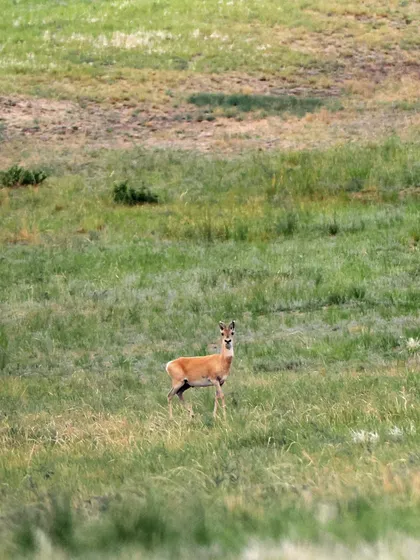
Mongolian gazelle
Procapra gutturosa
Regular
Siberian ibex
Capra sibirica
Regular
Asiatic wild ass
Equus hemionus
Very rareJul-Aug only
Goitered gazelle
Gazella subgutturosa
Very rareJun-Aug only
Birds of prey
Cinereous vulture
Aegypius monachus
Regular
Golden eagle
Aquila chrysaetos
Occasional
Himalayan vulture
Gyps himalayensis
OccasionalJun-Aug only
Bearded vulture
Gypaetus barbatus
Very rareon passage, Jun-Aug
Hustai National Park
11 species · Töv · Hustai, Lakes & Steppe — A Wildlife & Birding Expedition ExpeditionCarnivores
Grey wolf
Canis lupus
Occasional
Eurasian lynx
Lynx lynx
Very rare
Pallas's cat
Otocolobus manul
Very rare
Hoofed mammals
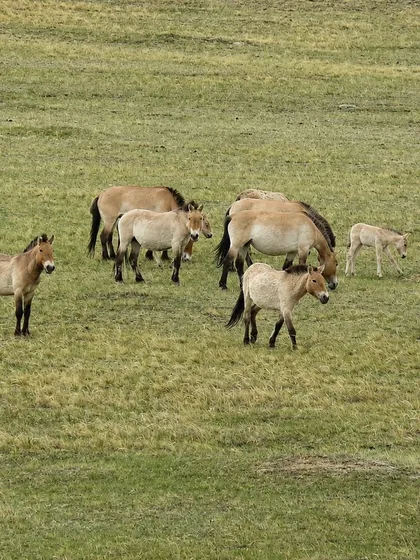
Przewalski's horse
Equus ferus przewalskii
Most days
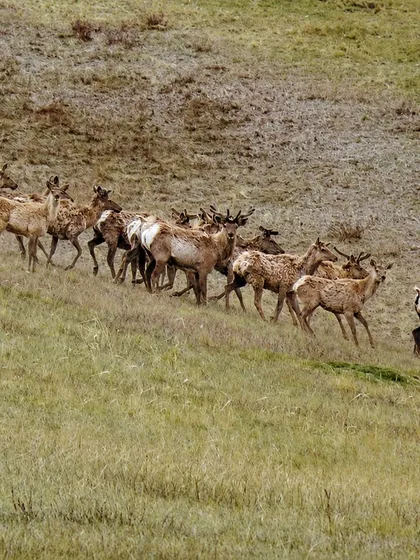
Red deer
Cervus elaphus
Regular
Argali
Ovis ammon
Occasional
Siberian ibex
Capra sibirica
Occasional
Birds of prey
Bearded vulture
Gypaetus barbatus
Occasional
Cinereous vulture
Aegypius monachus
OccasionalJun-Aug only
Golden eagle
Aquila chrysaetos
Occasional
Himalayan vulture
Gyps himalayensis
Very rareon passage, Jun-Aug
Steppe Wildlife Conservation & Research Center
8 species · Sükhbaatar · Pallas's Cat in the Eastern Steppe ExpeditionCarnivores
Pallas's cat
Otocolobus manul
Regular
Grey wolf
Canis lupus
Occasional
Hoofed mammals
Mongolian gazelle
Procapra gutturosa
Regular
Argali
Ovis ammon
Occasional
Red deer
Cervus elaphus
Very rare
Birds of prey
Cinereous vulture
Aegypius monachus
OccasionalJun-Aug only
Golden eagle
Aquila chrysaetos
Very rareon passage, Sep
Himalayan vulture
Gyps himalayensis
Very rareon passage, Jun-Aug
Tengis-Shishged National Park
12 species · Khövsgöl taiga · no expedition goes here yetCarnivores
Grey wolf
Canis lupus
Occasional
Eurasian lynx
Lynx lynx
Very rare
Pallas's cat
Otocolobus manul
Very rare
Snow leopard
Panthera uncia
Very rareon passage, Nov-Mar
Hoofed mammals
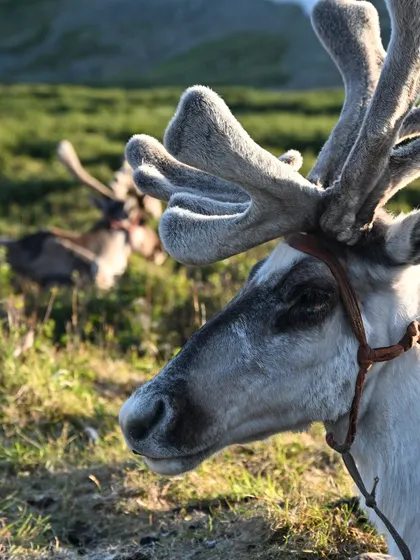
Reindeer
Rangifer tarandus
Most days
Argali
Ovis ammon
Occasional
Red deer
Cervus elaphus
Occasional
Siberian ibex
Capra sibirica
Occasional
Birds of prey
Bearded vulture
Gypaetus barbatus
Occasional
Golden eagle
Aquila chrysaetos
Occasional
Cinereous vulture
Aegypius monachus
Very rareJun-Aug only
Himalayan vulture
Gyps himalayensis
Very rareJun-Aug only
Ulaan Taiga Strictly Protected Area
5 species · Khövsgöl taiga · Tsaatan, Reindeer Herders of the Taiga ExpeditionCarnivores
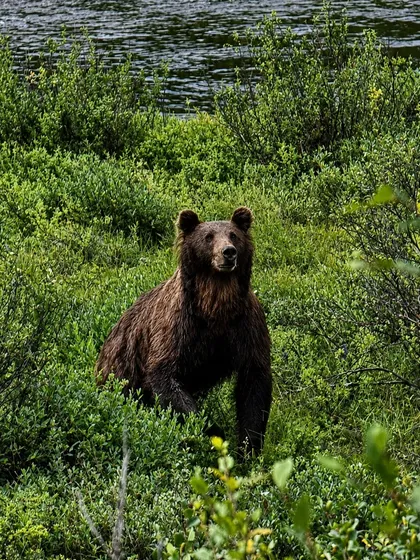
Brown bear
Ursus arctos
Very rare
Eurasian lynx
Lynx lynx
Very rare
Grey wolf
Canis lupus
Very rare
Snow leopard
Panthera uncia
Very rareon passage, Nov-Mar
Hoofed mammals
Reindeer
Rangifer tarandus
Most days
Horidol Saridag Strictly Protected Area
13 species · Khövsgöl · Siberian Brown Bear in the Northern Taiga ExpeditionCarnivores
Grey wolf
Canis lupus
Occasional
Brown bear
Ursus arctos
Very rare
Eurasian lynx
Lynx lynx
Very rare
Pallas's cat
Otocolobus manul
Very rare
Snow leopard
Panthera uncia
Very rareon passage, Nov-Mar
Hoofed mammals
Reindeer
Rangifer tarandus
Most days
Siberian ibex
Capra sibirica
Regular
Argali
Ovis ammon
Occasional
Red deer
Cervus elaphus
Occasional
Birds of prey
Bearded vulture
Gypaetus barbatus
Occasional
Golden eagle
Aquila chrysaetos
Occasional
Cinereous vulture
Aegypius monachus
Very rareJun-Aug only
Himalayan vulture
Gyps himalayensis
Very rareJun-Aug only
Mongolian Altai
13 species · Bayan-Ölgii and Khovd · no expedition goes here yetCarnivores
Snow leopard
Panthera uncia
Regular
Grey wolf
Canis lupus
Occasional
Brown bear
Ursus arctos
Very rare
Eurasian lynx
Lynx lynx
Very rare
Pallas's cat
Otocolobus manul
Very rare
Hoofed mammals
Argali
Ovis ammon
Regular
Siberian ibex
Capra sibirica
Regular
Goitered gazelle
Gazella subgutturosa
Occasional
Red deer
Cervus elaphus
Occasional
Birds of prey
Bearded vulture
Gypaetus barbatus
Regular
Cinereous vulture
Aegypius monachus
Regular
Golden eagle
Aquila chrysaetos
Regular
Himalayan vulture
Gyps himalayensis
OccasionalJun-Aug only
See where they live
Every expedition page lists the species you can reasonably expect on it, and says plainly which ones you cannot count on.
The expeditions