
Expedition
Hustai, Lakes & Steppe — A Wildlife & Birding Expedition
Hustai National Park, Töv
- Length
- 6 days
- 4 days
- Months
- May to mid-September
- November to March
- Temperature
- 10 °C to 25 °C
- −15 °C to −30 °C
- Group
- 2 to 6 travellers
This expedition runs in both seasons
Overview
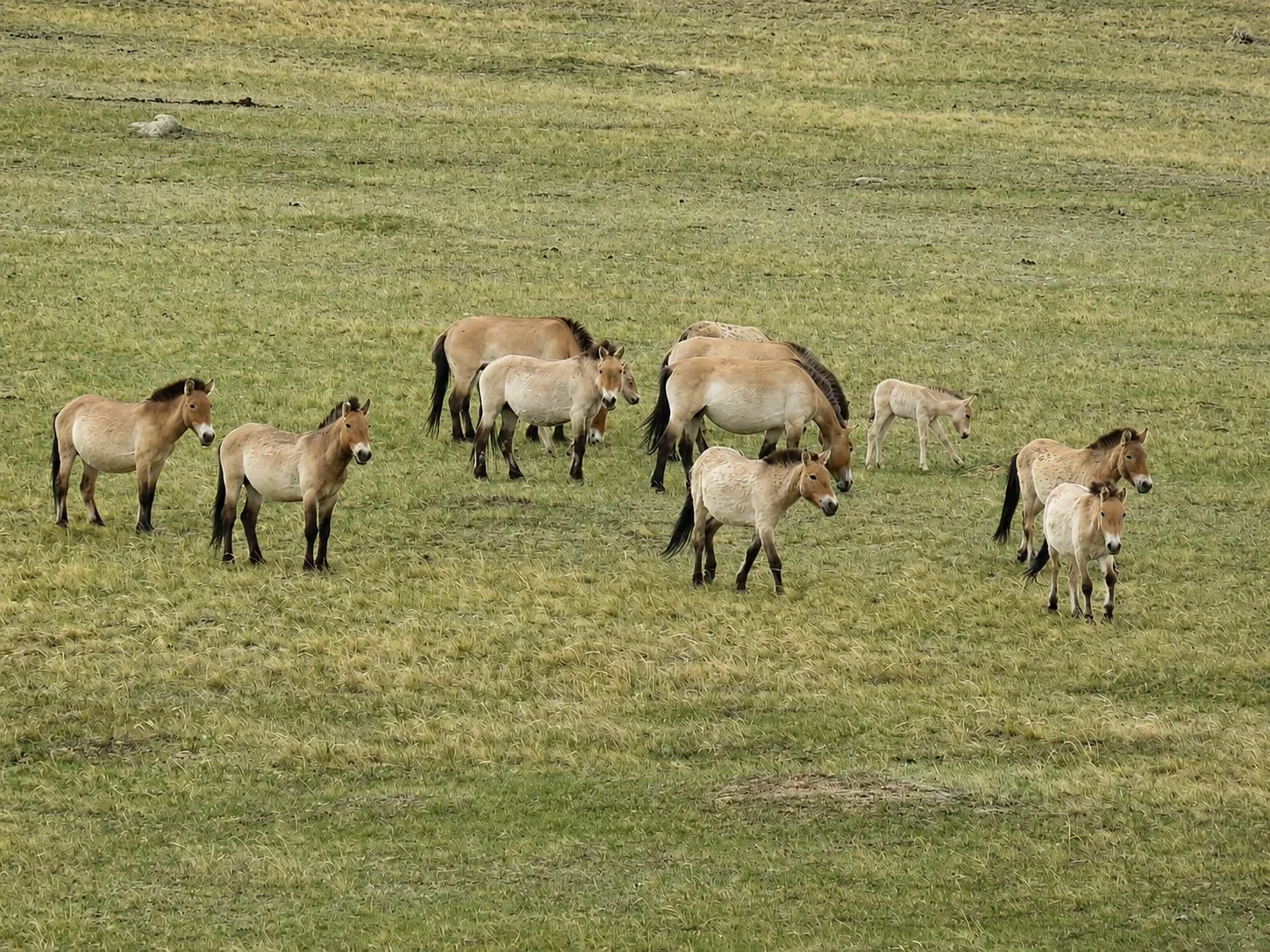
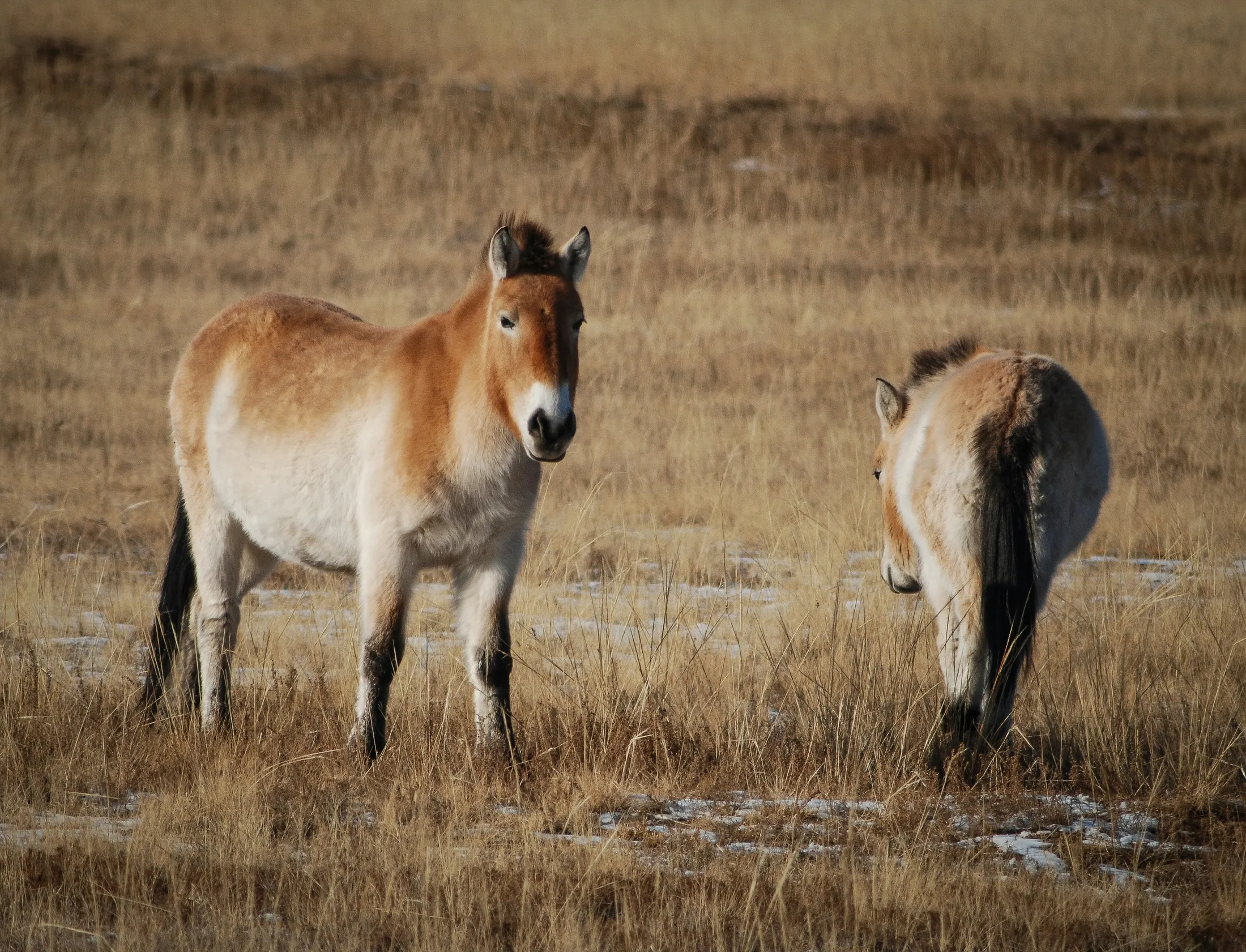
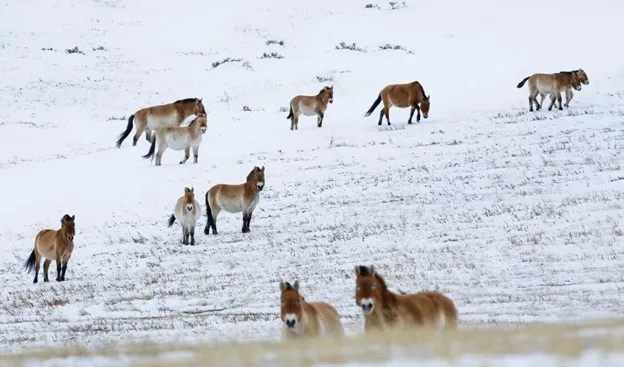
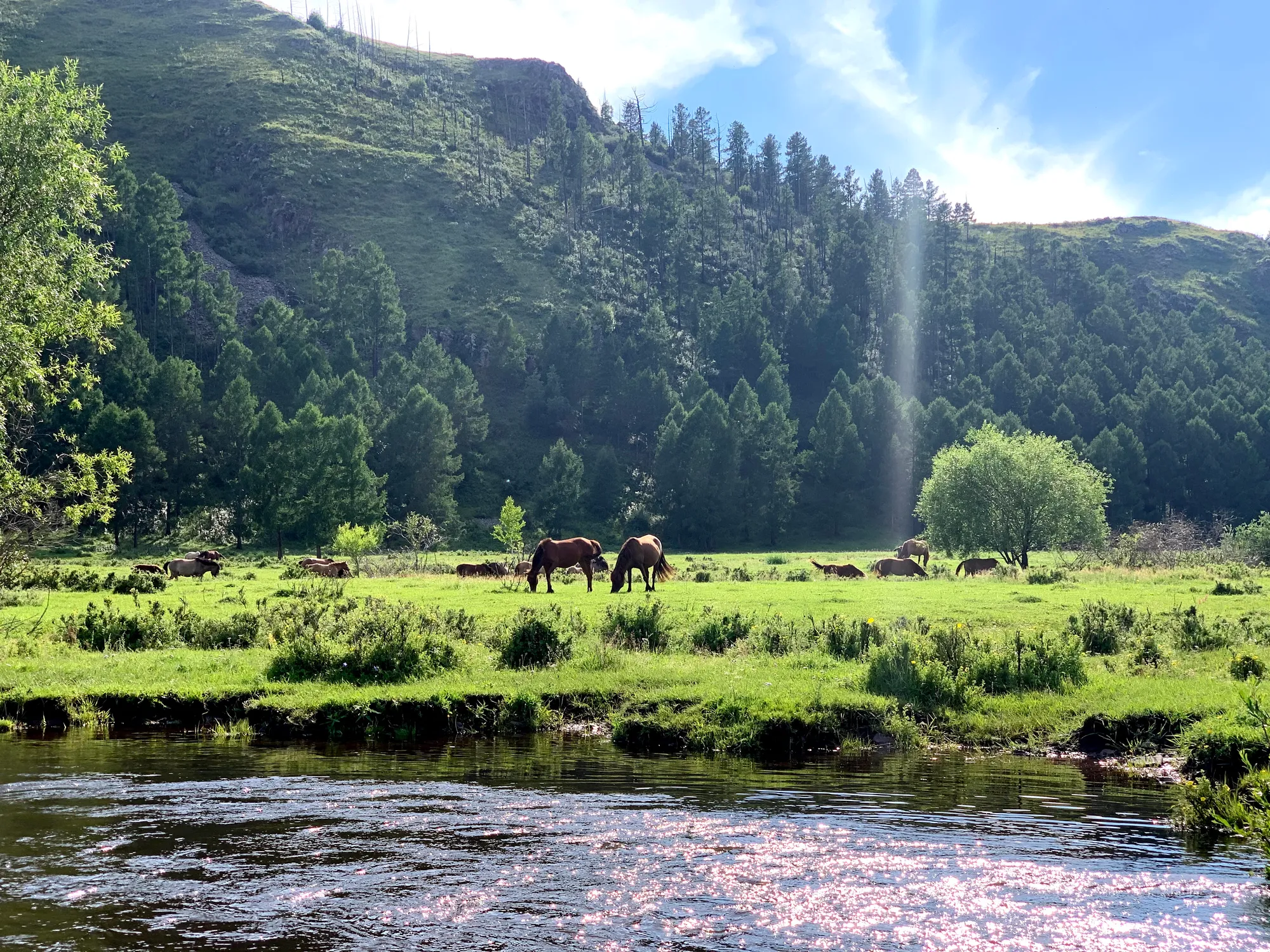
This six-day journey brings together the mammals and birdlife of central Mongolia. It begins in Hustai National Park, home to the takhi, Mongolia’s wild horse. We spend two days exploring the park, watching the horses across the steppe and hills, particularly during the cooler hours when they are most active.
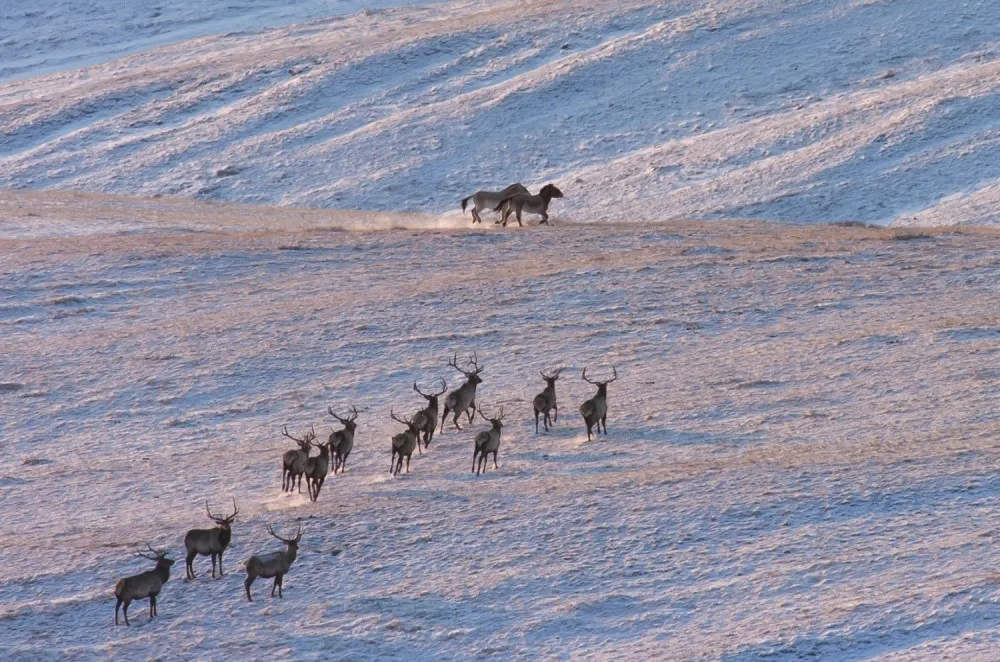
Hustai is also home to red deer, Siberian marmots, Mongolian gazelles and a wide range of birds of prey. Corsac foxes, argali and wolves are also present, although sightings are less common. Time in the park is kept flexible, allowing us to follow wildlife activity and explore different areas.
From Hustai, we continue to Bayan Lake and Ögii Lake, two important wetland areas for resident and migratory birds. Depending on the season, we may see Demoiselle and White-naped Cranes, geese, swans, ducks, grebes, waders and raptors. The journey then continues through Kharkhorin and Khogno Khan before returning to Ulaanbaatar.
By combining Hustai’s grassland wildlife with the birds of Mongolia’s lakes and wetlands, this expedition offers a varied introduction to the wildlife of central Mongolia without spending too much time moving between distant regions.
A four-day winter wildlife journey through central Mongolia, beginning with two nights in Hustai National Park, home to the takhi, Mongolia’s wild horse. We spend time watching the herds across the winter steppe and looking for red deer, corsac foxes and birds of prey. Wolves and argali are also present, but sightings are never expected.
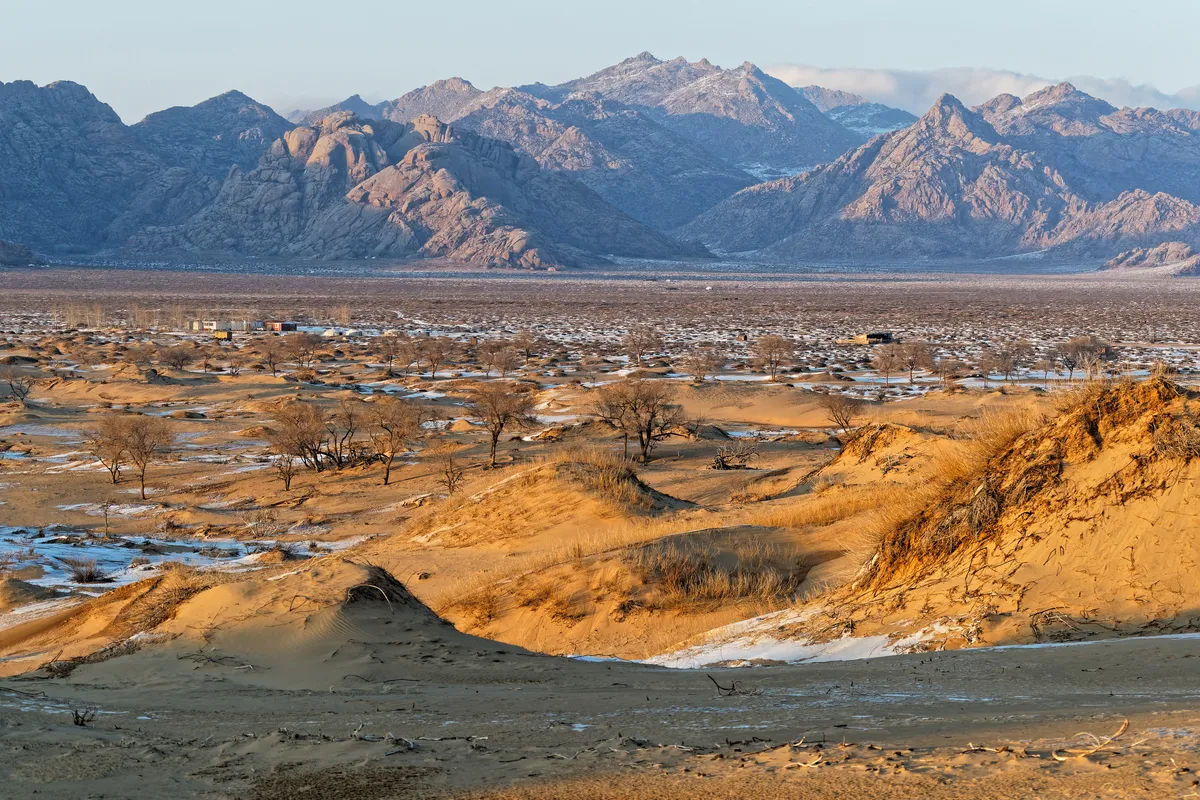
From Hustai, we continue to Khögnö Khan for a final night among rocky mountains and the dunes of Elsen Tasarkhai. We explore the surrounding area for ibex, foxes and raptors before returning to Ulaanbaatar.
When to come for the birds
| May–June | Best period : display, breeding, breeding plumage and high diversity |
|---|---|
| July–August | Very good : adults, young birds and many summer residents |
| Early–mid September | Very rewarding for gatherings and autumn migration |
EquipmentWhat we provide, and what you need to bring
The Hustai expedition involves short walks, wildlife observation and time beside exposed lakes and wetlands in summer. Conditions differ greatly between the six-day summer journey and the four-day winter itinerary.
Provided by Artus Expeditions
- Shared spotting scopes and tripods
- Bedding at the ger camps
- Drinking water and hot drinks in winter
- A group first-aid kit
- Shared charging facilities at the camps
You will need to bring
- Layered clothing and a windproof or waterproof jacket
- Comfortable walking shoes or boots
- Binoculars, sunglasses and sunscreen
- A small daypack and reusable water bottle
- A headlamp, personal medication and toiletries
- Power banks and spare batteries
For photographers
- A camera with a telephoto lens
- A tripod or monopod
- Spare batteries, memory cards and weather protection
Seasonal equipment
Summer travellers should bring a sun hat, insect repellent and a light rain jacket. Winter departures require thermal layers, an insulated parka and trousers, winter boots, a warm hat, heavy gloves and several pairs of warm socks.
Where it goes
Natural Earth; Khövsgöl protected areas traced from the UTSPA map. Other areas shown at true area, not surveyed boundaries.
Where it goes
Natural Earth; Khövsgöl protected areas traced from the UTSPA map. Other areas shown at true area, not surveyed boundaries.
Protected since 1993
Hustai National Park
506 km²— about a third of Greater London
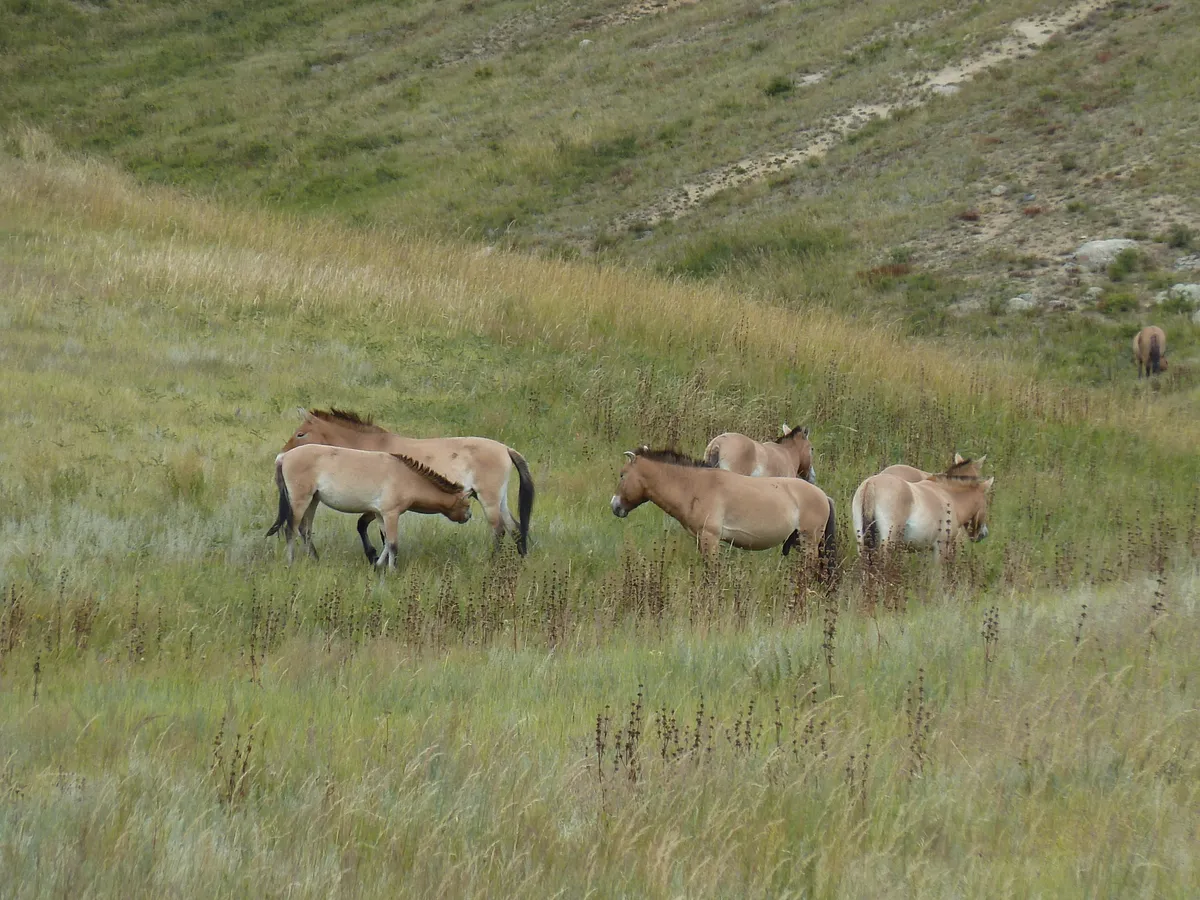
Hustai was created around the return of the takhi, or Przewalski’s horse — a wild horse that disappeared from Mongolia in the late 1960s. The first animals were brought back from European captive populations in 1992, and their descendants have lived and bred in the wild here ever since. Today the park is one of the great success stories of wildlife reintroduction in Mongolia.
Research in the park
Hustai National Park Trust
 The park’s Research and Training Unit monitors the takhi and the wider ecosystem at Hustai. Its biologists study the horses’ breeding, movements and social groups, alongside the park’s other wildlife and vegetation. This work guides the long-term management of a population first returned to Hustai in 1992.
Day by day
The itinerary
Day 1
Ulaanbaatar to Hustai National Park
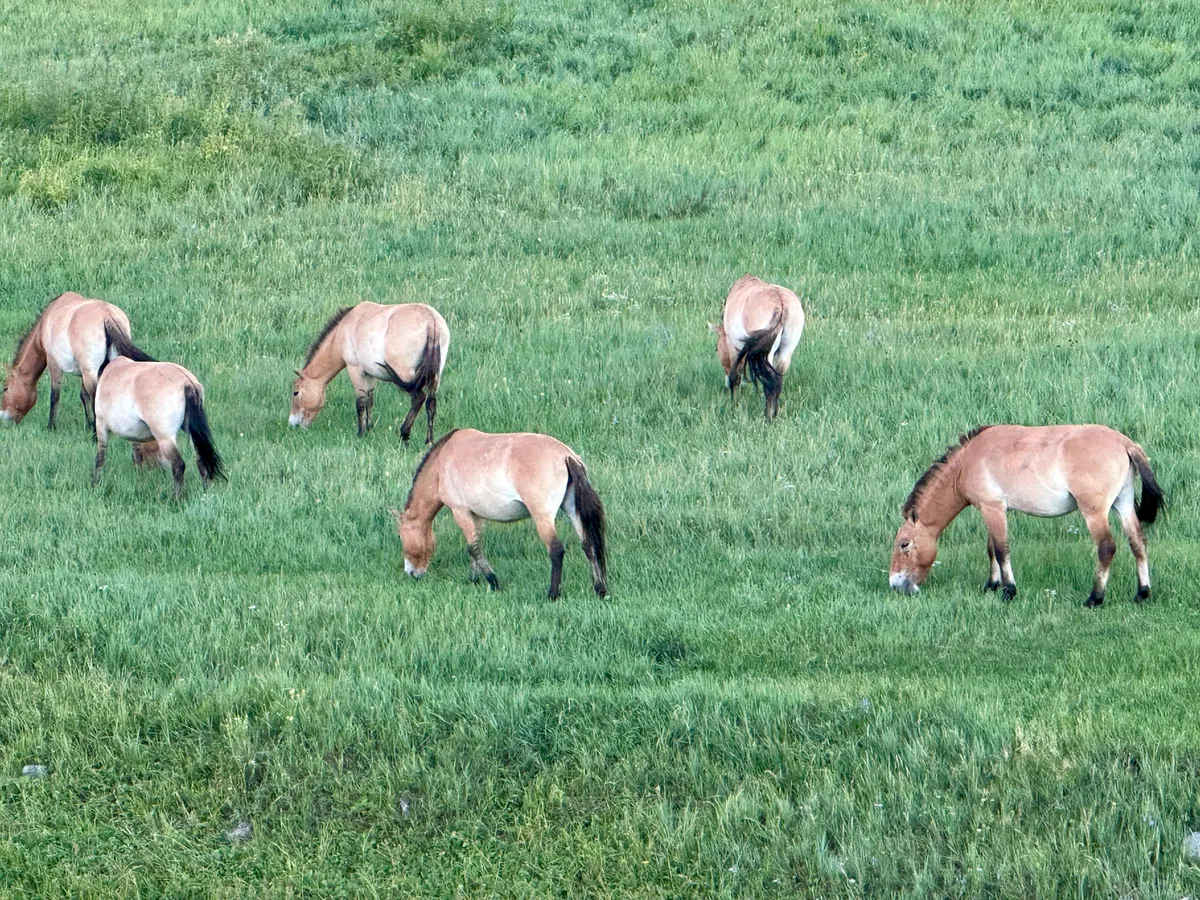
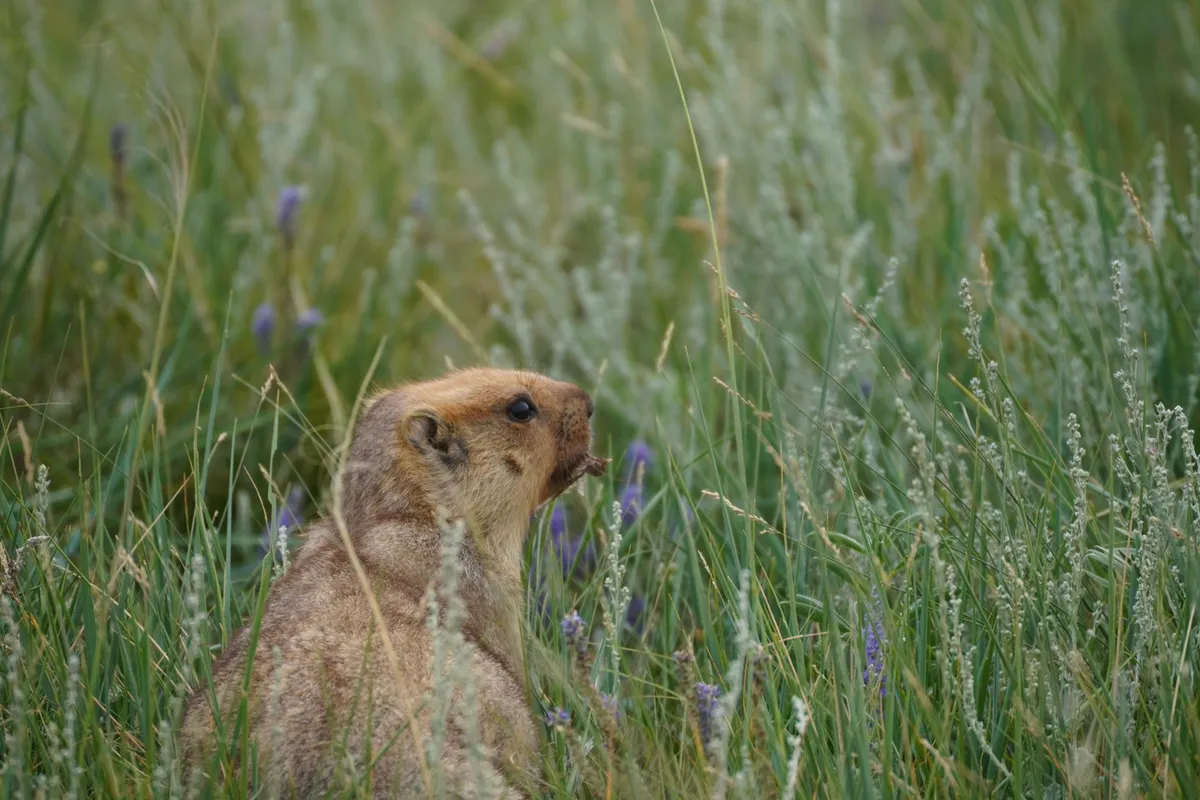
Leave Ulaanbaatar and drive west to Hustai. After visiting the information centre and learning about the park’s conservation work, head into the reserve for a first afternoon and evening in the field. Przewalski’s horses are the main focus, alongside red deer, marmots, Mongolian gazelles and birds of prey.
Day 2
Hustai National Park
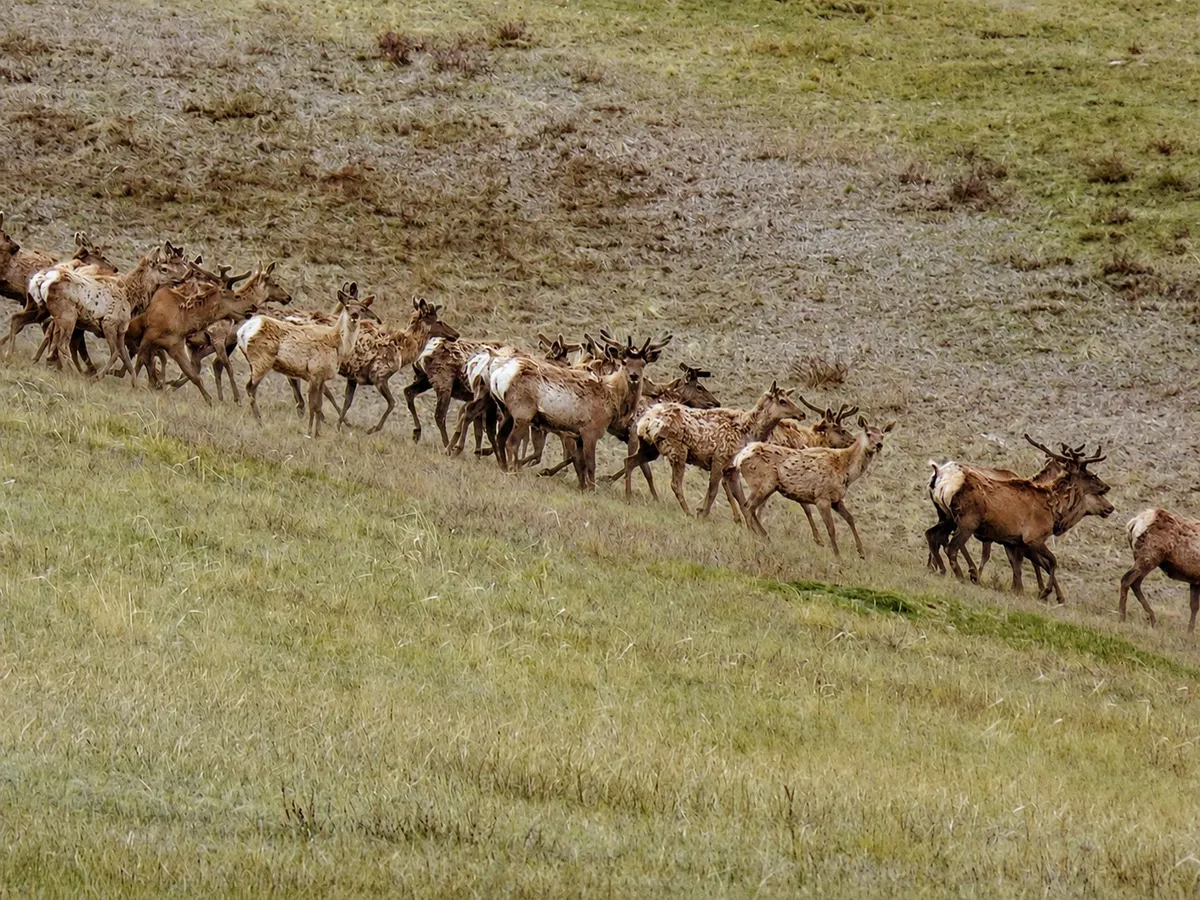
Spend a full day exploring the park’s valleys and viewpoints, with most of the field time during the cooler morning and late afternoon. Look for the takhi herds and Hustai’s other wildlife, including red deer, marmots, raptors and steppe birds. Argali, corsac foxes and wolves are possible, but never expected.
Day 3
Hustai to Ögii Nuur, via Bayan Nuur
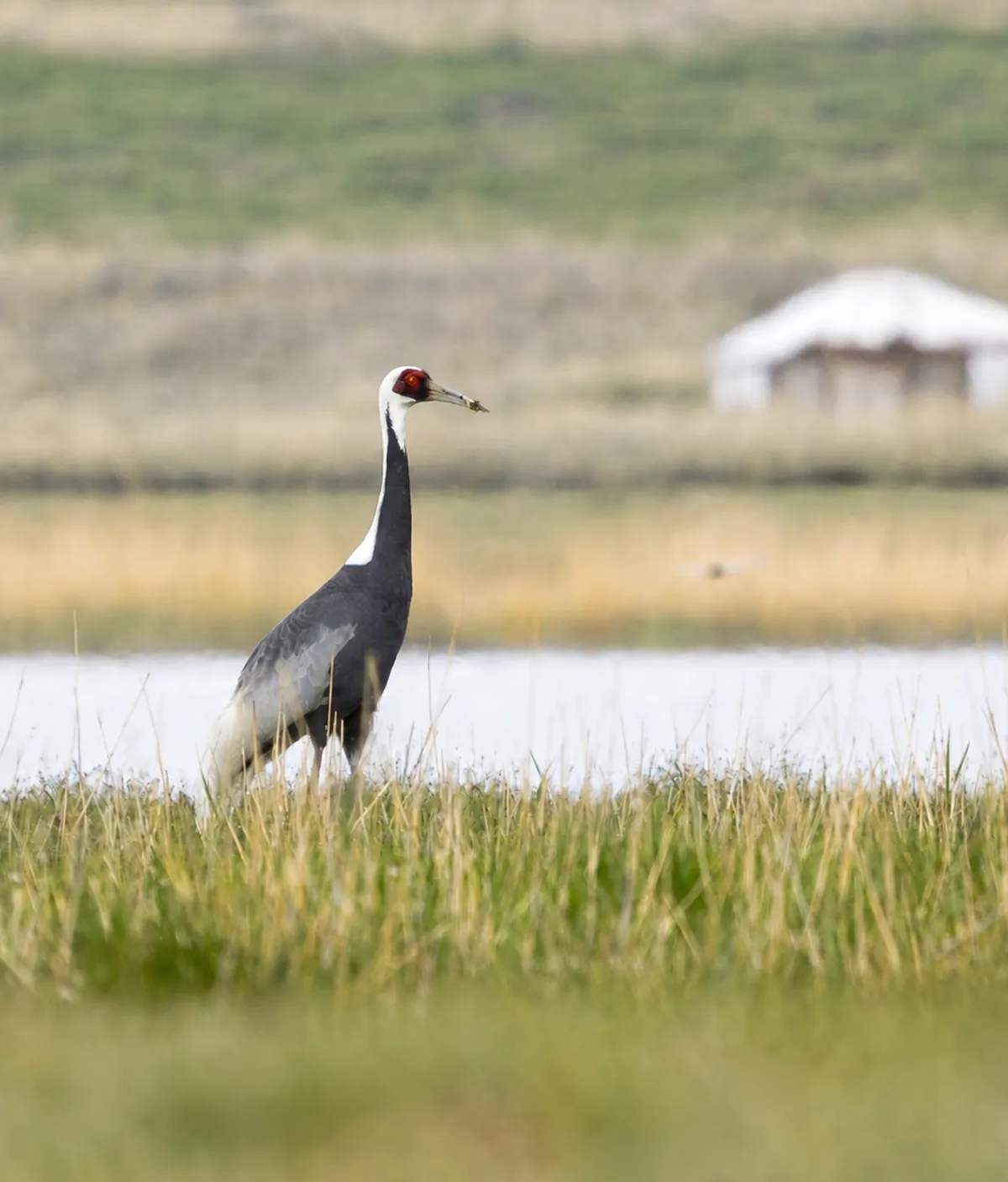
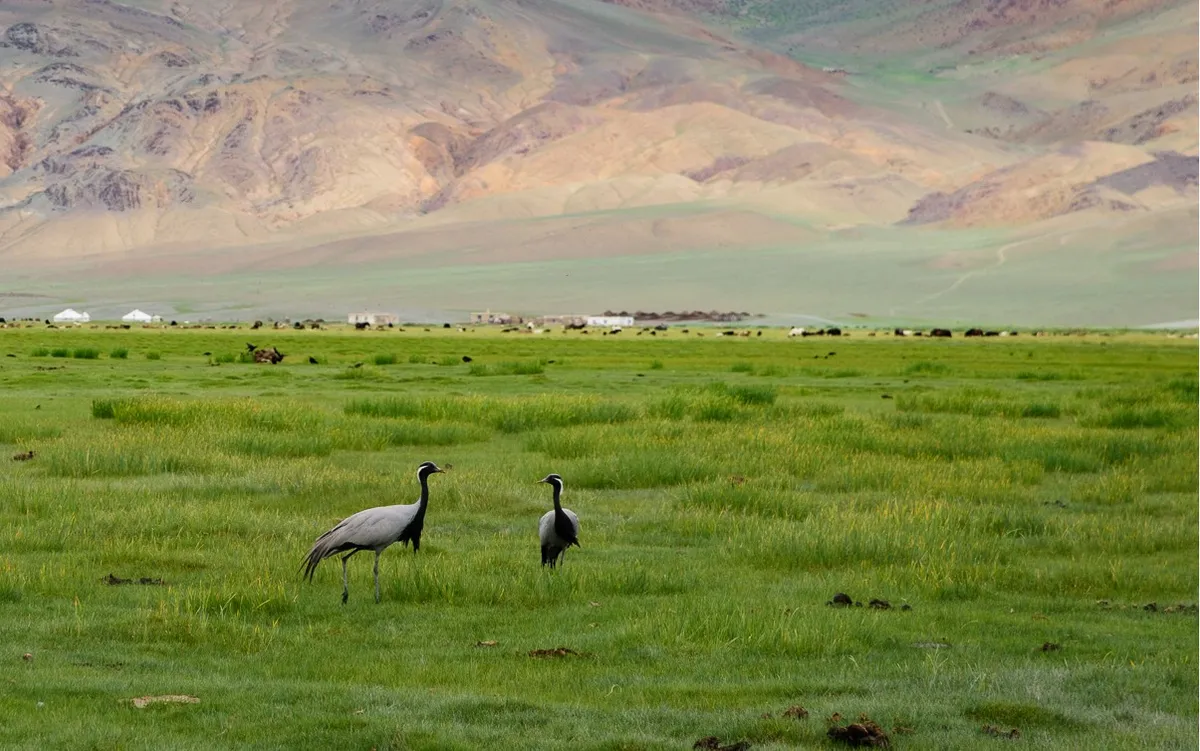
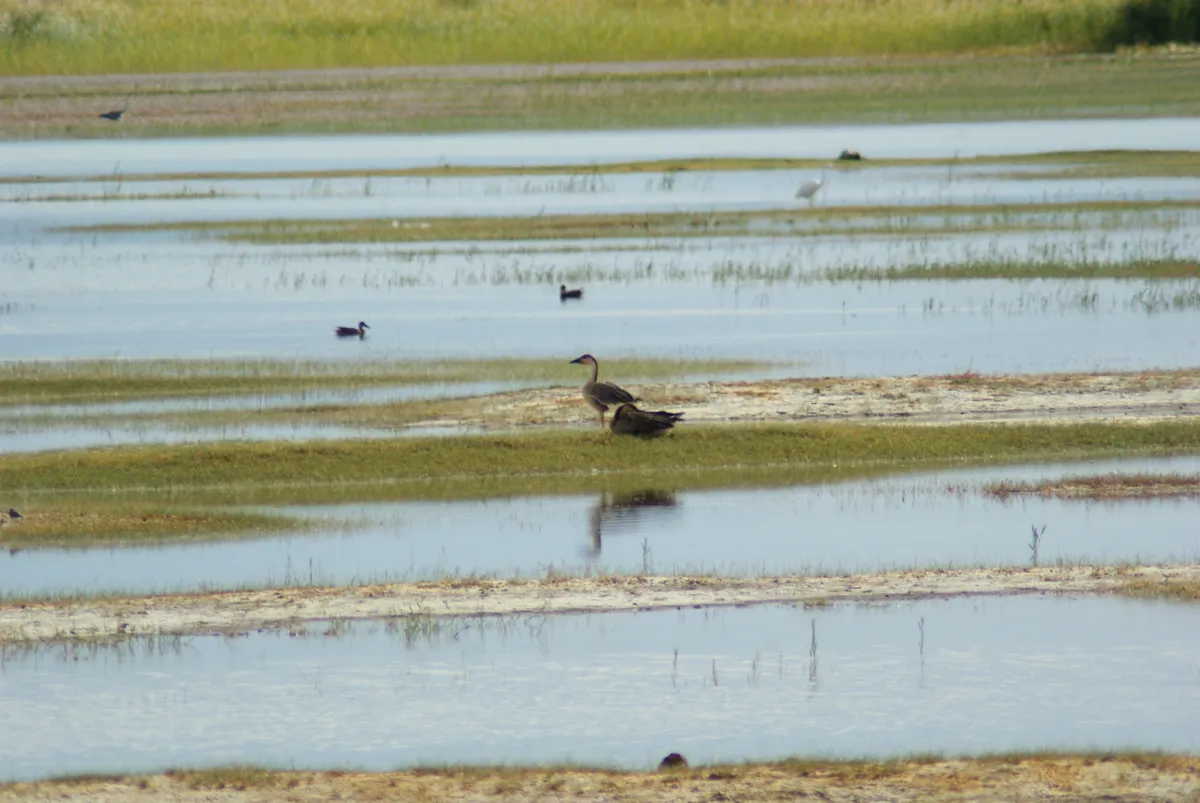
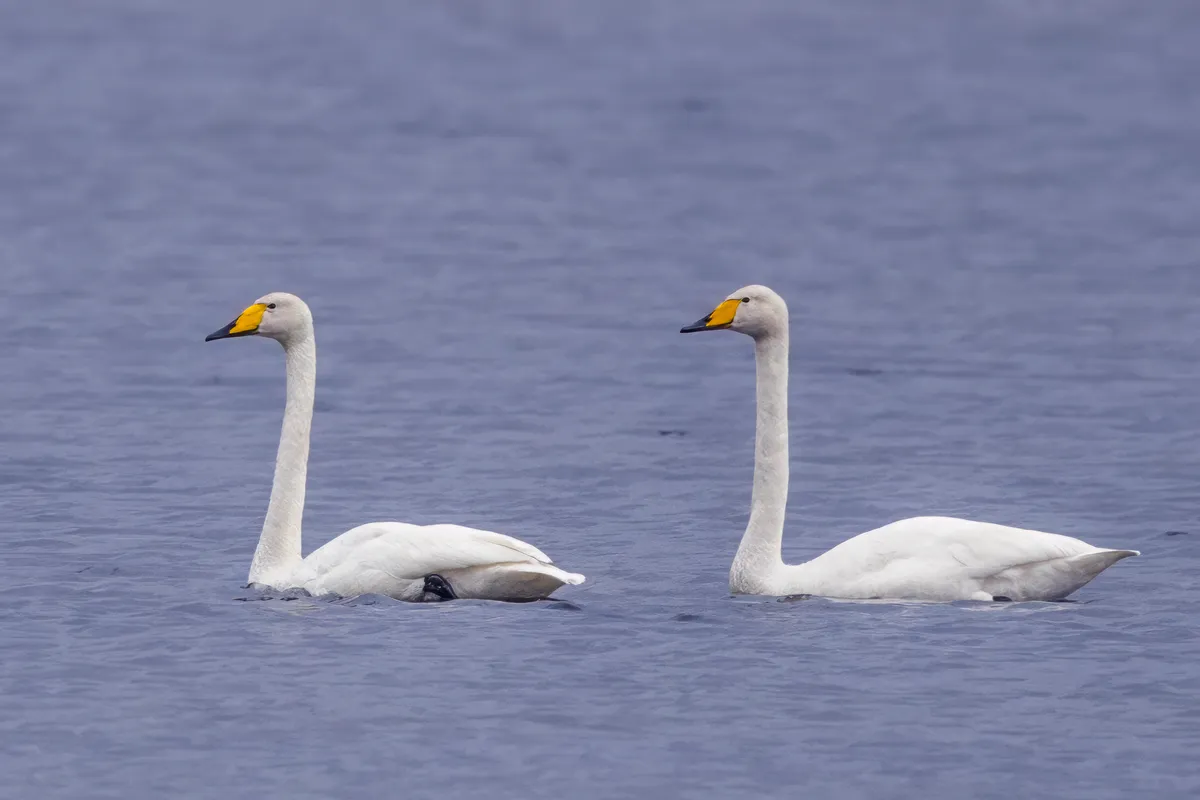
Leave Hustai after breakfast and travel west across the open steppe. Stop at Bayan Nuur, near Dashinchilen, for several hours of birdwatching around the shoreline and reedbeds. Demoiselle and White-naped cranes, Swan and Bar-headed geese, ducks, waders and reedbed birds may be found here.
Continue to Ögii Nuur in the afternoon and settle into the camp beside the lake. Depending on the arrival time, head out for a first evening observation session.
Day 4
Ögii Nuur
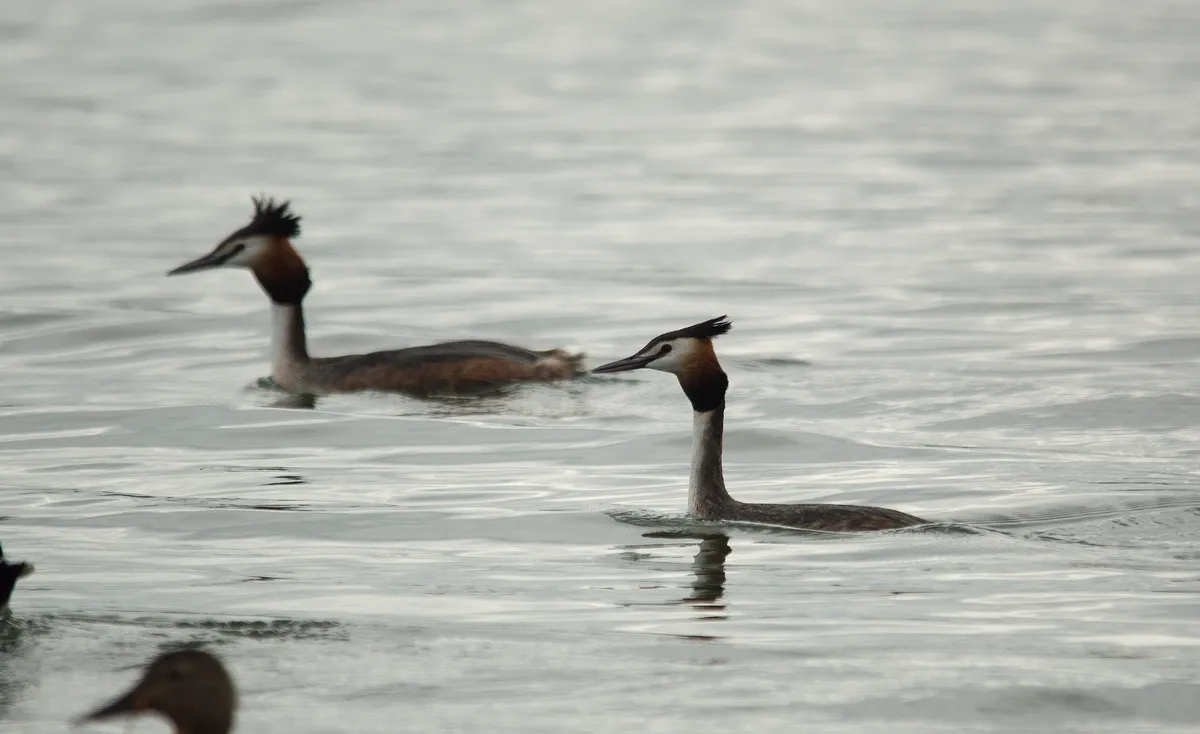
A full day around Ögii Nuur, beginning early when bird activity is at its best. Explore different parts of the shoreline, reedbeds and surrounding steppe throughout the day. Swan Geese, Great Crested Grebes, Mongolian Gulls, terns and a variety of ducks and waders are regularly recorded, while White-tailed and Pallas’s Fish-Eagles are occasional highlights.
The programme remains flexible, allowing more time wherever recent bird movements and conditions are most promising.
Day 5
Ögii Nuur to Khögnö Khan
Spend the early morning around Ögii Nuur before driving south to Kharkhorin and continuing east towards Khögnö Khan. The landscape gradually changes from open wetlands and grassland to sand dunes, dry steppe and rocky mountains.
If water levels are suitable, stop at the small Takhilt wetland on the edge of the Elsen Tasarkhai dunes, close to Khögnö Khan. Ducks, geese, grebes, harriers and other wetland birds may gather here. Continue to the camp and, depending on the time available, explore the surrounding steppe and lower mountain slopes.
Day 6
Khögnö Khan to Ulaanbaatar
Head out early for a final walk and scan of the rocky slopes and surrounding steppe. Look for ibex, corsac foxes, larks, vultures and other birds of prey before returning to Ulaanbaatar. Further stops can be made along the way whenever wildlife or bird activity makes them worthwhile.
Day 1
Ulaanbaatar to Hustai National Park
Leave Ulaanbaatar and drive west to Hustai. After visiting the information centre and learning about the park’s conservation work, head into the reserve for a first afternoon and evening in the field. Przewalski’s horses are the main focus, alongside red deer, marmots, Mongolian gazelles and birds of prey.
Day 2
Hustai National Park
Spend a full day exploring the park’s valleys and viewpoints, with most of the field time during the cooler morning and late afternoon. Look for the takhi herds and Hustai’s other wildlife, including red deer, marmots, raptors and steppe birds. Argali, corsac foxes and wolves are possible, but never expected.
Day 3
Hustai to Khögnö Khan
Leave Hustai and drive west towards Khögnö Khan. The landscape gradually changes from open grassland to sand dunes, dry steppe and rocky mountains. Continue to the camp and, depending on the time available, explore the surrounding steppe and lower mountain slopes.
Day 4
Khögnö Khan to Ulaanbaatar
Head out early for a final walk and scan of the rocky slopes and surrounding steppe. Look for ibex, corsac foxes, larks, vultures and other birds of prey before returning to Ulaanbaatar. Further stops can be made along the way whenever wildlife or bird activity makes them worthwhile.
The order of activities may change with the weather, water levels and recent bird movements. Early mornings and evenings are kept flexible so that time can be spent wherever conditions are best.
The order of activities may change with the weather, water levels and recent bird movements. Early mornings and evenings are kept flexible so that time can be spent wherever conditions are best.
Your expedition
What is included :
Included
- All ground transport in Mongolia, using our own vehicles and drivers, with fuel included
- All accommodation listed in the itinerary
- All meals and drinking water throughout the expedition
- Your expedition guide, together with the local rangers, trackers and spotters who work with us
- All park and reserve entry fees and permits
- Airport transfers in Ulaanbaatar on the scheduled arrival and departure days
- All camping and cooking equipment required by the itinerary
Not included
- International flights to and from Ulaanbaatar
- Optional domestic flights offered instead of an overland journey
- Travel insurance, which is required and must cover medical evacuation
- Visa fees, where applicable
- Alcoholic drinks and personal expenses
- Optional activities or services not listed in the itinerary
Key species
Wildlife to look for on this expedition
Regular
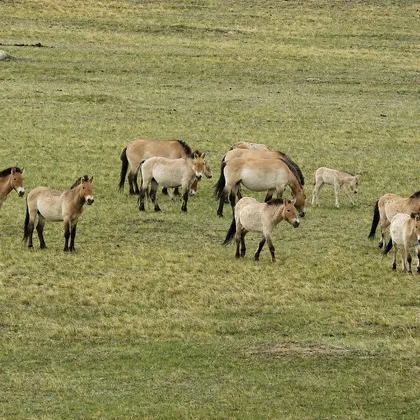
Przewalski's horseEquus ferus przewalskiiRegular 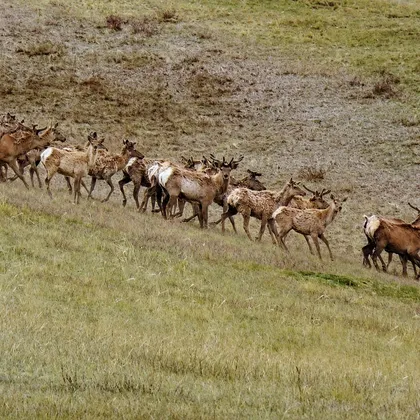
Red deerCervus elaphusRegular
Occasional
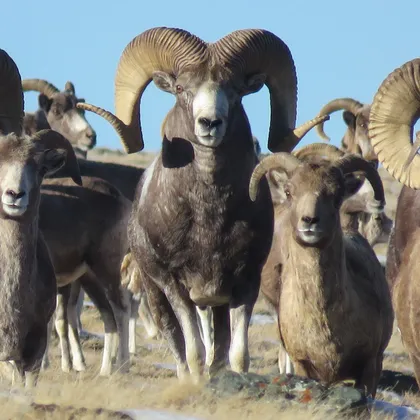
ArgaliOvis ammonOccasional 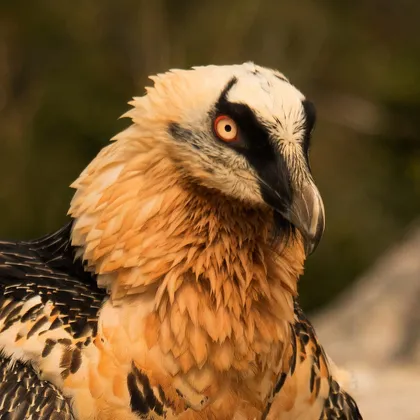
Bearded vultureGypaetus barbatusOccasional 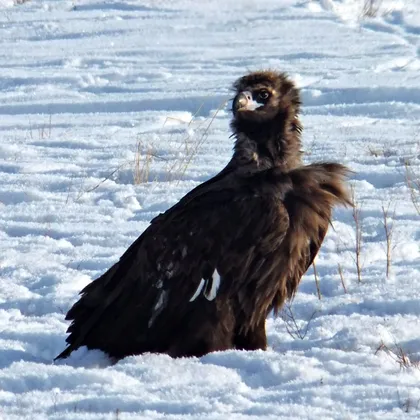
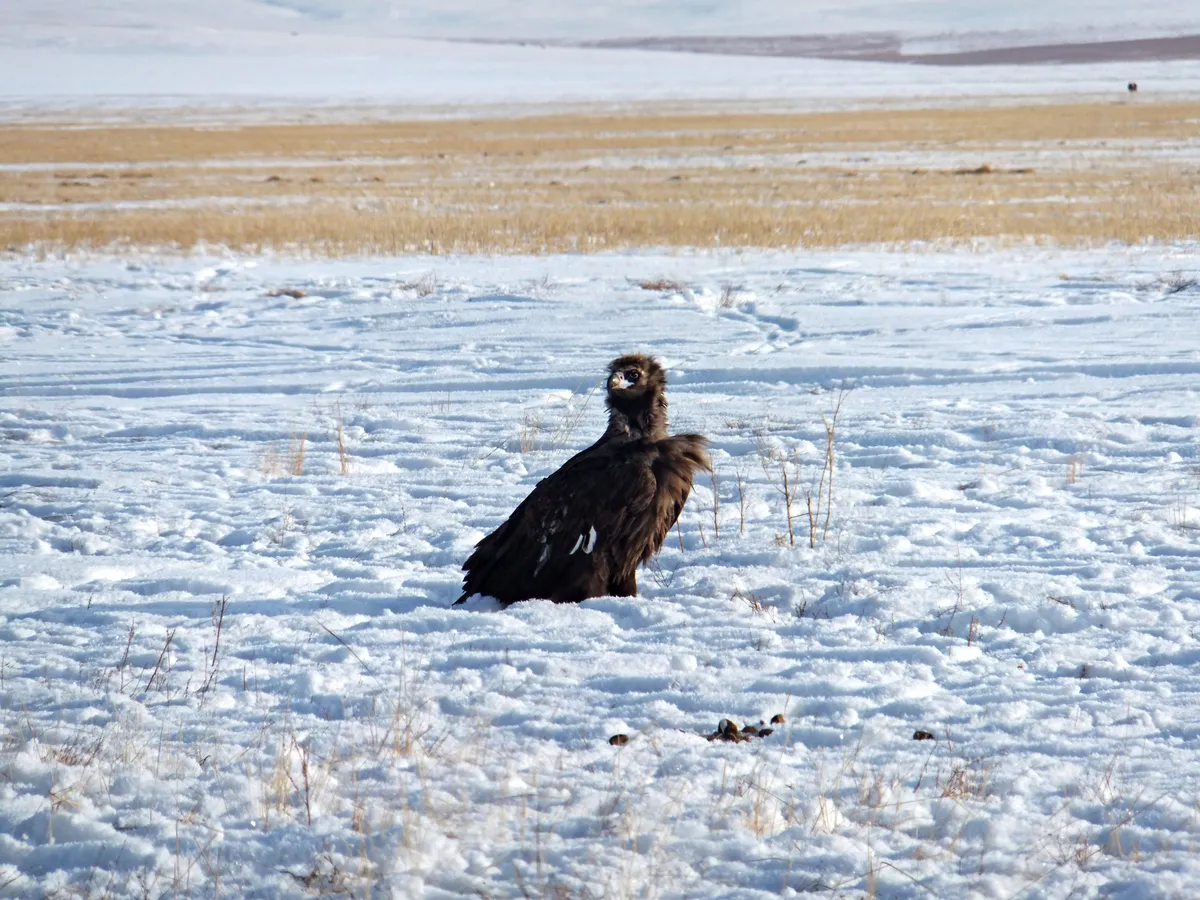
Cinereous vultureAegypius monachusOccasional 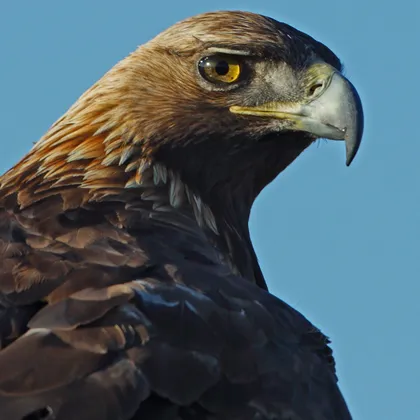
Golden eagleAquila chrysaetosOccasional 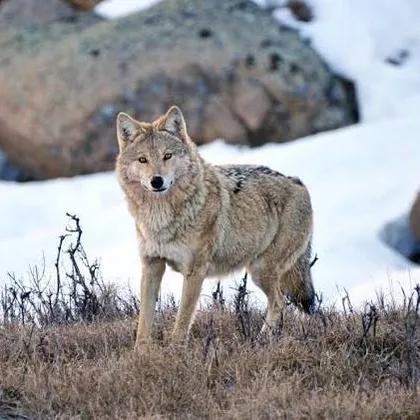
Grey wolfCanis lupusOccasional 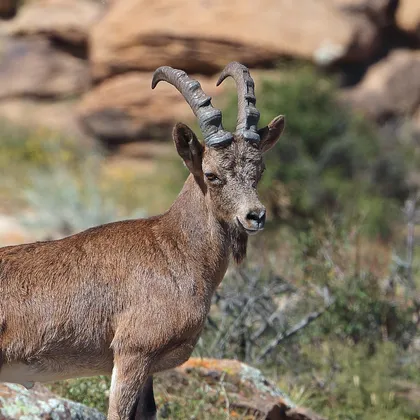
Siberian ibexCapra sibiricaOccasional
Other species you may see
- Demoiselle Crane
- White-naped Crane
- Swan Goose
- Bar-headed Goose
- Great Crested Grebe
- Falcated Duck
- Mongolian Gull
- Saker Falcon
- Upland Buzzard
- Northern Lapwing
Before you book
The realities of this expedition
This is a remote expedition with basic facilities and long days in the field. It will not suit everyone, and we want you to know what to expect before you decide.
- Standing still in an open valley at −25 °C, which is the whole of the watching.
- Very short daylight. There is a lot of evening.
How we watch
Watching without disturbing
We keep our distance, never bait or call animals, and do not use drones. In the field, we follow the guidance of the local rangers and researchers working with us. Every traveller is briefed before the expedition.
Sightings are never guaranteed. The welfare of the animal always comes before the photograph.
Ask us anything about this trip
Dates, fitness, cold, cameras, or what happens if the weather closes in. We answer these ourselves.