National parks
Where the wild is protected
Mongolia has set aside nearly a fifth of its territory as protected land, much of it far from the country’s usual travel routes. These are the reserves and national parks where our expeditions take place.
Natural Earth; Khövsgöl protected areas traced from the UTSPA map. Other areas shown at true area, not surveyed boundaries.
Great Gobi A Strictly Protected Area
Designated 1975
44,000 km²about the area of Denmark
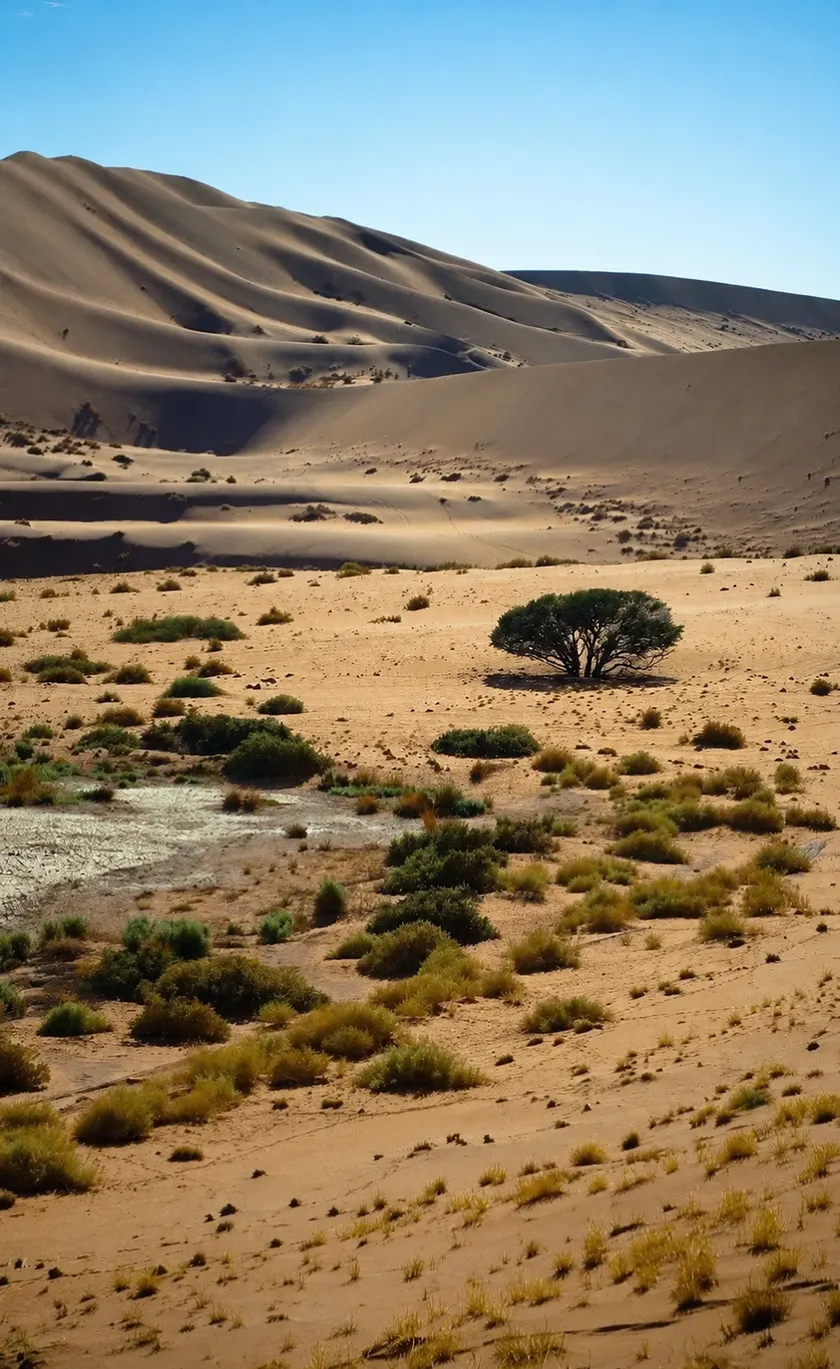
The only place where the Gobi bear survives. As a Strictly Protected Area, it carries a higher level of protection than a national park, with access tightly controlled — and securing that access is the first step of any expedition here.
What lives here
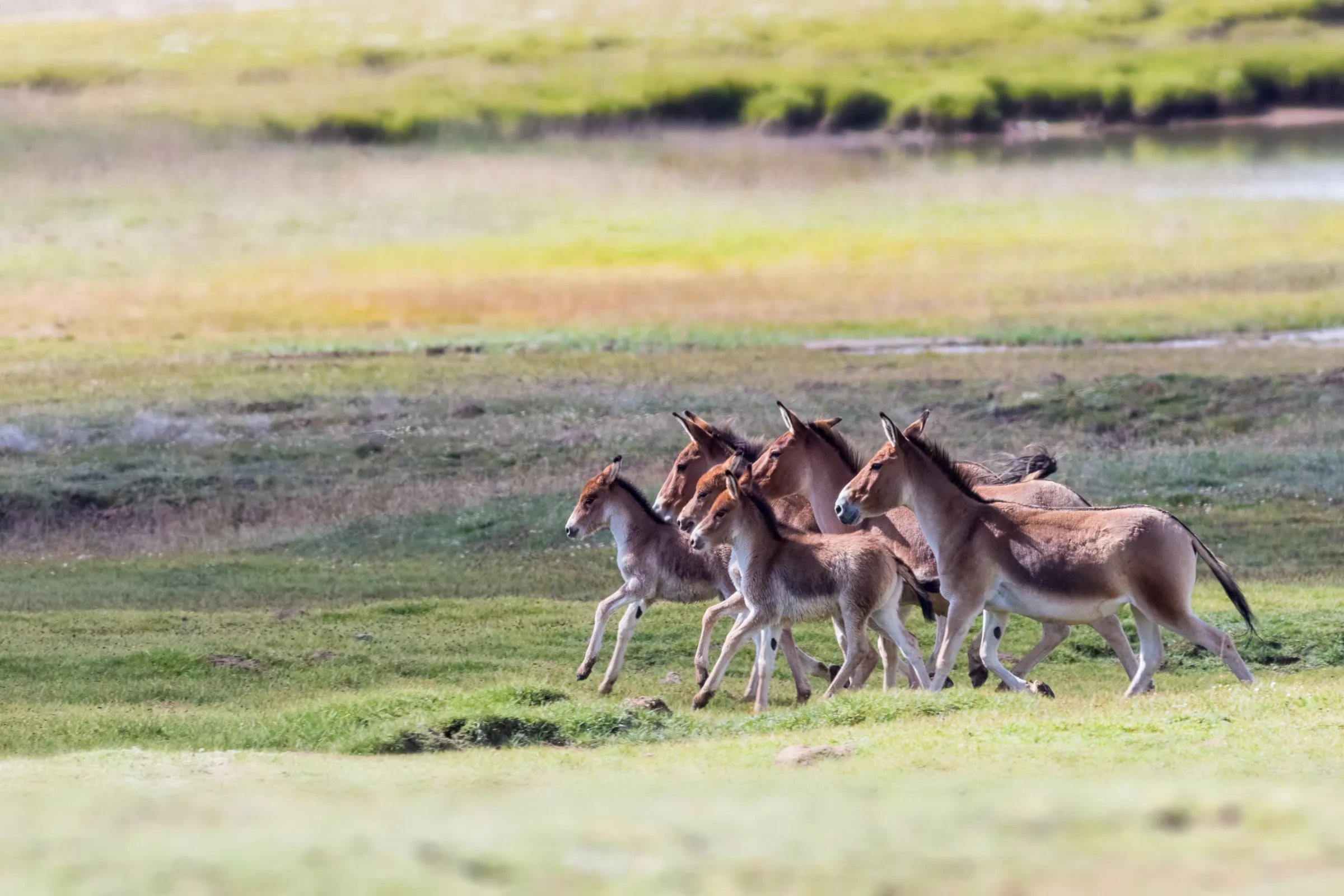
 Asiatic wild assRegular
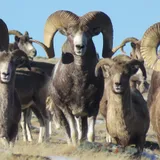 ArgaliOccasional
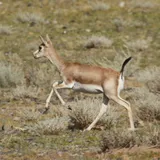 Goitered gazelleOccasional
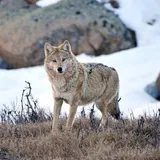 Grey wolfOccasionalbest Nov-Mar
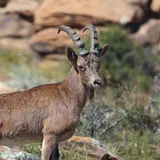 Siberian ibexOccasional
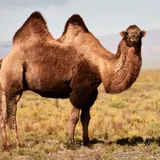 Wild Bactrian camelOccasional
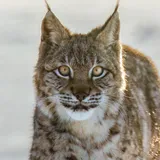 Eurasian lynxVery rarebest Nov-Mar
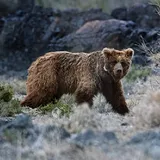 MazaalaiVery rare
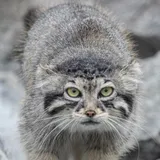 Pallas's catVery rarebest Nov-Mar
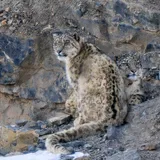 Snow leopardVery rarebest Nov-Mar
Also here : Red fox and other small carnivores.
- Mazaalai — Gobi Bear
Gobi Gurvansaikhan National Park
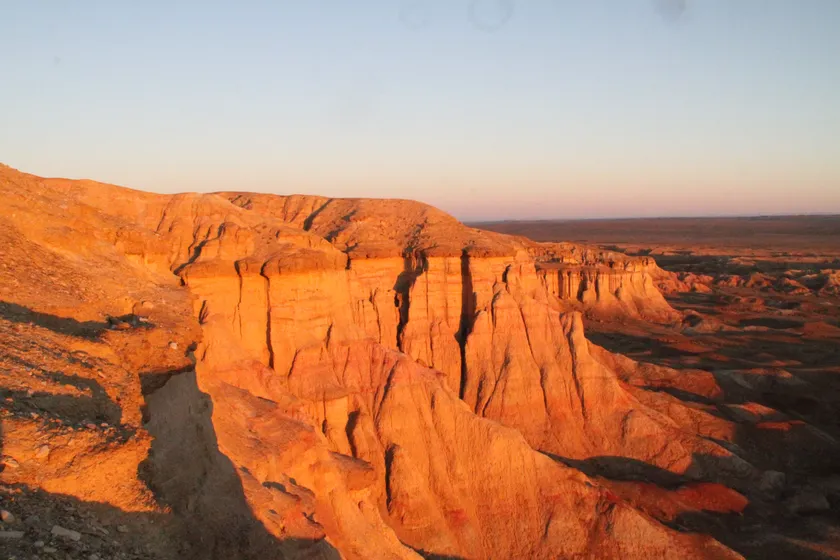
27,000 km²larger than Wales, and the biggest national park in Mongolia
A great mountain range rising out of the South Gobi, where ibex, snow leopards and bearded vultures inhabit the rocky slopes. Yolyn Am cuts deep into these mountains, forming the park’s best-known gorge.
What lives here
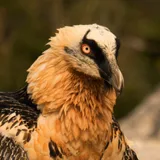 Bearded vultureRegular
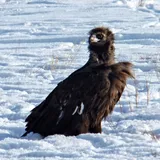 Cinereous vultureRegularbest Jun-Aug
- Goitered gazelleRegular
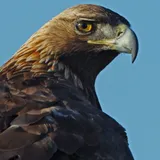 Golden eagleRegular
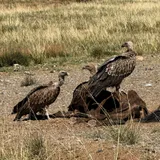 Himalayan vultureRegularJun-Aug only
- Siberian ibexRegular
- ArgaliOccasional
- Grey wolfOccasionalbest Nov-Mar
- Pallas's catOccasionalbest Nov-Mar
- Snow leopardOccasionalbest Nov-Mar
- Eurasian lynxVery rarebest Nov-Mar
Also here : Corsac fox, red fox, Asian badger and other small carnivores.
Tost Tosonbumba Nature Reserve
Designated 2016
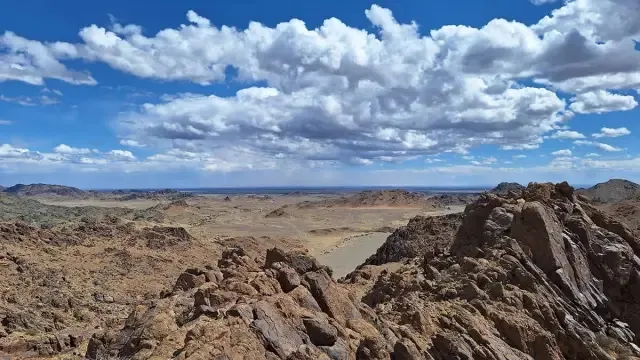
7,000 km²four and a half times the area of Greater London
The first protected area in the world created specifically for snow leopards. Its protection followed years of campaigning by local herders and conservationists, eventually removing mining from the reserve while allowing traditional herding to continue. Tost also links major protected landscapes across the South Gobi, forming an important corridor for snow leopards.
What lives here
- Cinereous vultureRegularbest Jun-Aug
- Goitered gazelleRegular
- Golden eagleRegular
- Siberian ibexRegular
- Snow leopardRegularbest Nov-Mar
- ArgaliOccasional
- Bearded vultureOccasional
- Grey wolfOccasionalbest Nov-Mar
- Himalayan vultureOccasionalJun-Aug only
- Pallas's catOccasionalbest Nov-Mar
- Eurasian lynxVery rarebest Nov-Mar
Also here : Corsac fox, red fox, Asian badger and other small carnivores.
Ulaan Taiga Strictly Protected Area
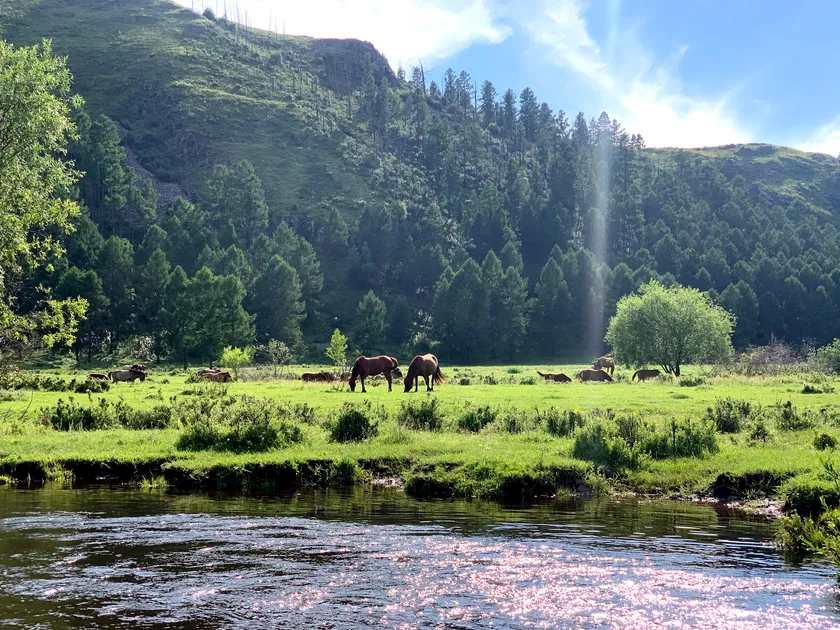
4,300 km²nearly three times the area of Greater London
A remote landscape of taiga forest, mountains and summer grazing grounds near the Siberian border. Tsaatan families still move through it seasonally with their reindeer, changing camp as the herds move between different pastures. The area is shaped as much by this pastoral life as by the forests and mountains themselves.
What lives here
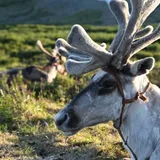 ReindeerMost days
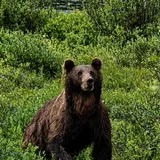 Brown bearVery rarebest Jun-Aug
- Eurasian lynxVery rarebest Nov-Mar
- Grey wolfVery rarebest Nov-Mar
- Snow leopardVery rareon passage, Nov-Mar
Also here : Moose, Siberian roe deer, Wild boar, Siberian musk deer and Wolverine — plus red fox, sable, Asian badger, stoat, Siberian weasel and other small carnivores.
Horidol Saridag Strictly Protected Area
Designated 1997

1,888 km²slightly larger than Greater London
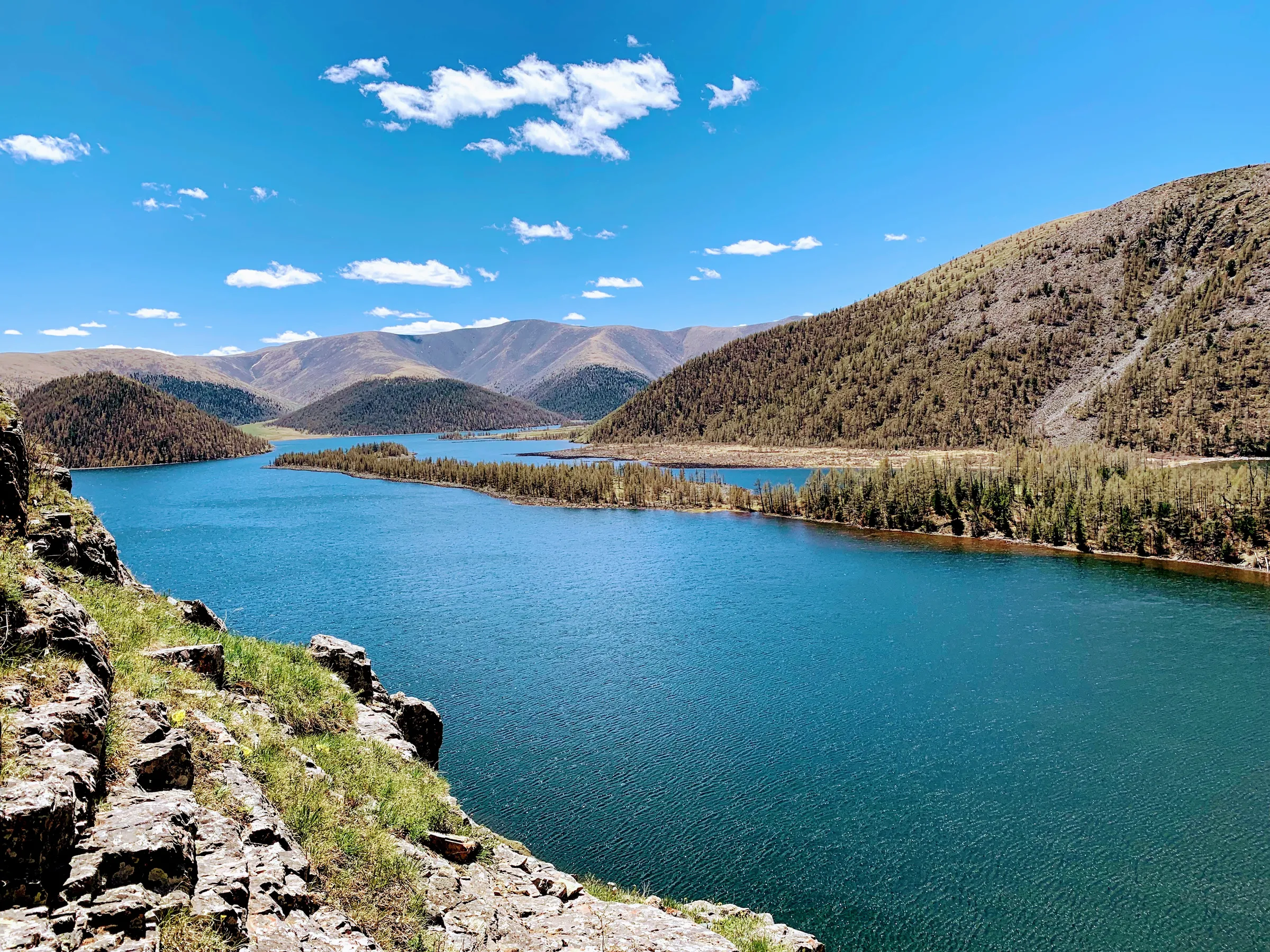
A mountain range west of Lake Khövsgöl, protected for its remote forests, valleys and high country. Brown bears, red deer, ibex and other northern wildlife occur across the wider area, but our exact field sites are still being tested through scouting expeditions.
What lives here
- ReindeerMost days
- Siberian ibexRegular
- ArgaliOccasional
- Bearded vultureOccasional
- Golden eagleOccasional
- Grey wolfOccasionalbest Nov-Mar
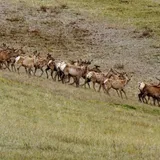 Red deerOccasionalbest Sep
- Brown bearVery rarebest Jun-Aug
- Cinereous vultureVery rareJun-Aug only
- Eurasian lynxVery rarebest Nov-Mar
- Himalayan vultureVery rareJun-Aug only
- Pallas's catVery rarebest Nov-Mar
- Snow leopardVery rareon passage, Nov-Mar
Also here : Red fox, sable, Asian badger, stoat, Siberian weasel and other small carnivores.
Ikh Nartiin Chuluu Nature Reserve
Designated 1996
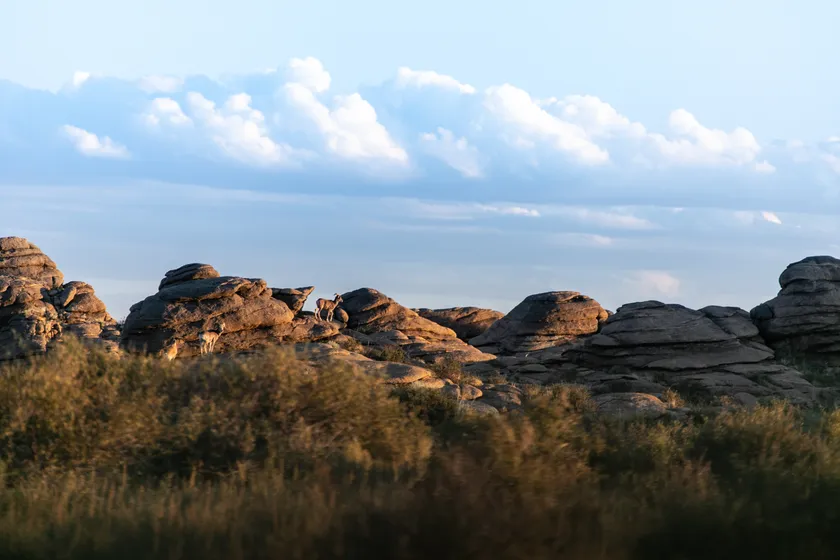
660 km²a little smaller than Singapore
One of Mongolia’s strongest areas for argali, with ibex sharing the same rocky outcrops and open steppe. More than two decades of continuous research and conservation have made Ikh Nart an unusually good place to observe both species in the wild.
What lives here
- ArgaliRegular
- Cinereous vultureRegularbest Jun-Aug
 Mongolian gazelleRegular
- Siberian ibexRegular
- Golden eagleOccasional
- Himalayan vultureOccasionalJun-Aug only
- Asiatic wild assVery rareJul-Aug only
- Bearded vultureVery rareon passage, Jun-Aug
- Eurasian lynxVery rarebest Nov-Mar
- Goitered gazelleVery rareJun-Aug only
- Grey wolfVery rarebest Nov-Mar
- Pallas's catVery rarebest Nov-Mar
- Snow leopardVery rareon passage, Nov-Mar
Also here : Corsac fox, red fox, Asian badger, marbled polecat and other small carnivores.
Hustai National Park
Designated 1993
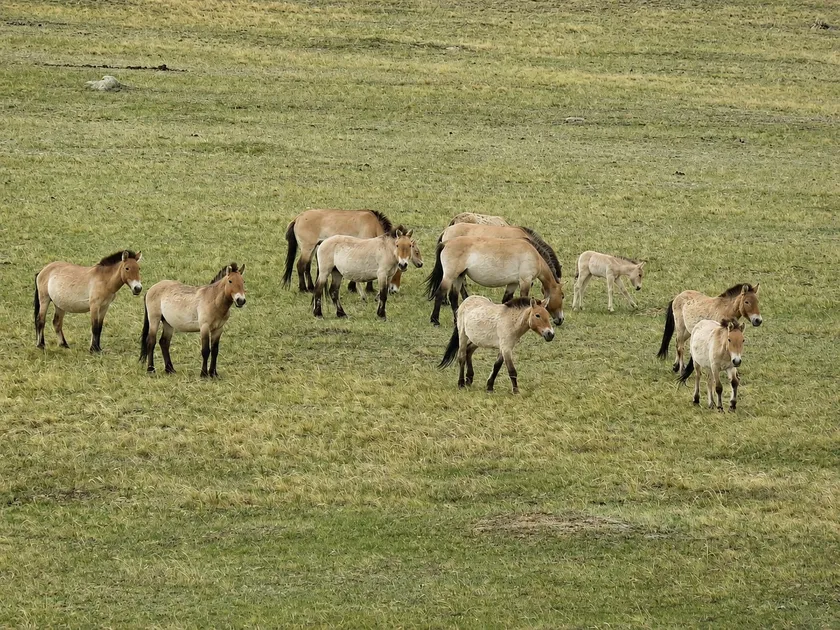
506 km²about a third of Greater London
Hustai was created around the return of the takhi, or Przewalski’s horse — a wild horse that disappeared from Mongolia in the late 1960s. The first animals were brought back from European captive populations in 1992, and their descendants have lived and bred in the wild here ever since. Today the park is one of the great success stories of wildlife reintroduction in Mongolia.
What lives here
 Przewalski's horseMost days
- Red deerRegularbest Sep
- ArgaliOccasional
- Bearded vultureOccasional
- Cinereous vultureOccasionalJun-Aug only
- Golden eagleOccasional
- Grey wolfOccasionalbest Nov-Mar
- Siberian ibexOccasional
- Eurasian lynxVery rarebest Nov-Mar
- Himalayan vultureVery rareon passage, Jun-Aug
- Pallas's catVery rarebest Nov-Mar
Also here : Corsac fox, red fox, Asian badger and other small carnivores.
Steppe Wildlife Conservation & Research Center
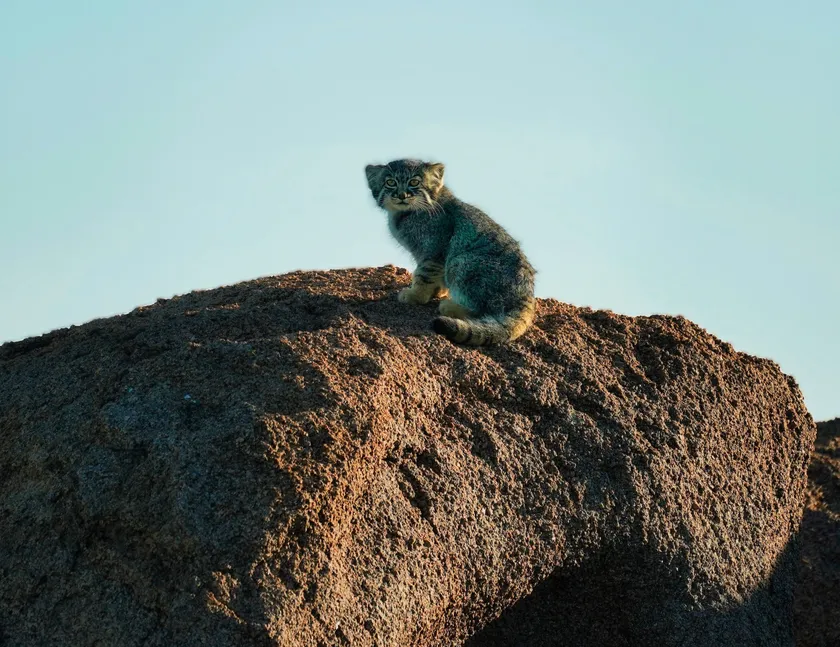
Eastern Mongolian steppeonly about 12% of the Pallas’s cat’s range in Mongolia carries any protection
The Steppe Wildlife Conservation & Research Center studies and protects wildlife across open steppe that lies outside Mongolia’s protected-area network. Its work includes long-term research on Pallas’s cats, steppe eagle monitoring and marmot reintroduction. Our expeditions spend several days in the field with the centre’s researchers and trackers, using the knowledge they have built here over years of work.
What lives here
- Mongolian gazelleRegular
- Pallas's catRegularbest Nov-Mar
- ArgaliOccasional
- Cinereous vultureOccasionalJun-Aug only
- Grey wolfOccasionalbest Nov-Mar
- Golden eagleVery rareon passage, Sep
- Himalayan vultureVery rareon passage, Jun-Aug
- Red deerVery rarebest Sep
Also here : Corsac fox, red fox, Asian badger and other small carnivores.
What lives in them
All the species these areas hold, with what is known about each and where it is found.
The wildlife