
Expedition
Pallas's Cat in the Eastern Steppe
Eastern steppe, Sükhbaatar
- Length
- 7 days
- Months
- Late June to August
- October to February
- Temperature
- 10 °C to 30 °C
- −20 °C to −35 °C
- Group
- 2 to 6 travellers
This expedition runs in both seasons
Overview
A seven-day wildlife expedition into Mongolia’s Eastern Steppe, with five full days based at a research centre dedicated to the Pallas’s cat and other steppe wildlife. We work alongside the centre’s trackers, searching rock formations, valleys and marmot burrows before observing the cats quietly from a distance.
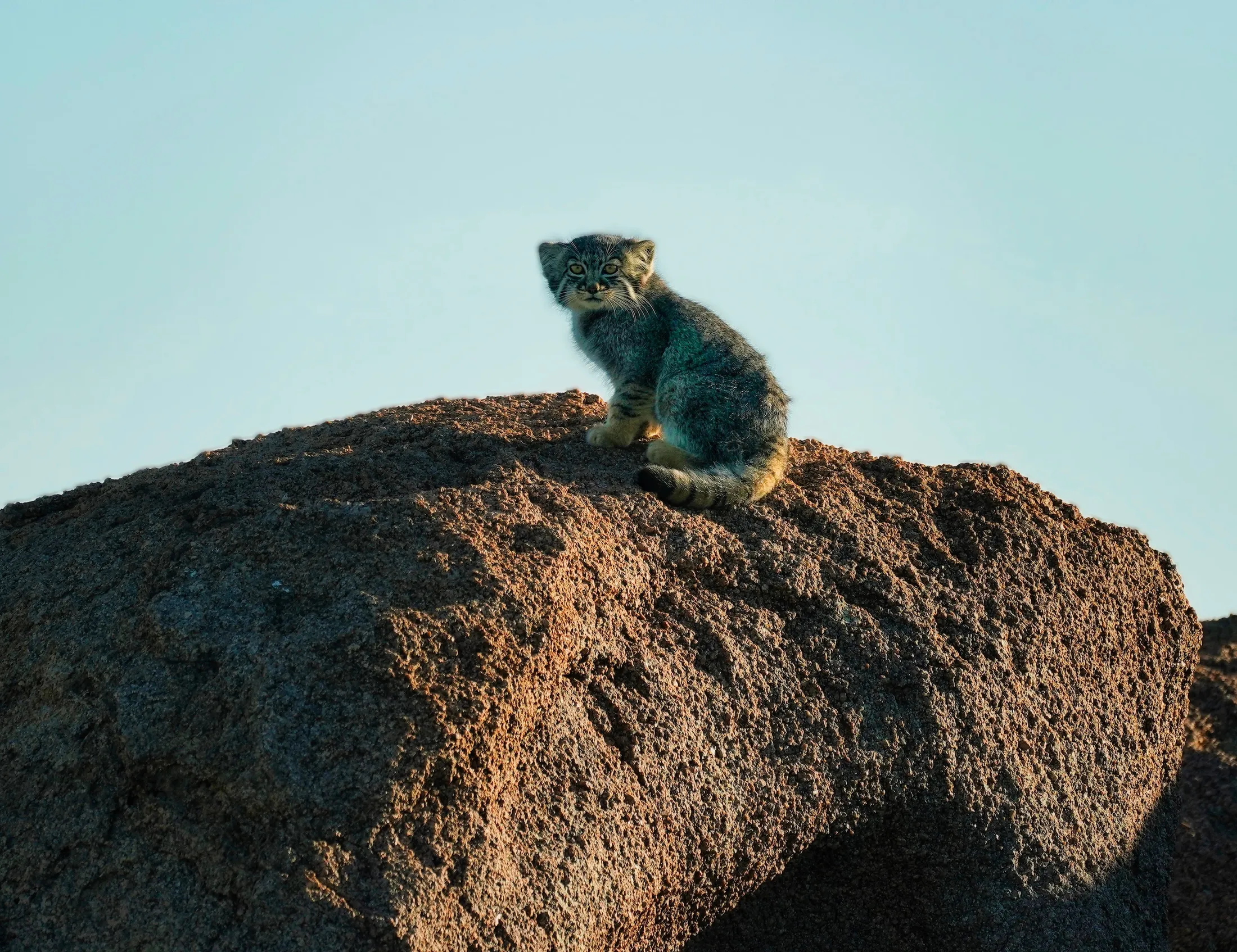
In summer, the steppe is more active, with longer days and a different range of birdlife and seasonal behaviour. Depending on the timing, females and kittens may sometimes be seen around their dens. Corsac foxes, Steppe Eagles and Eurasian Eagle-Owls may also be encountered.
This is a slow expedition built around patience, repeated observation and the knowledge gathered by the people working with the species year-round.
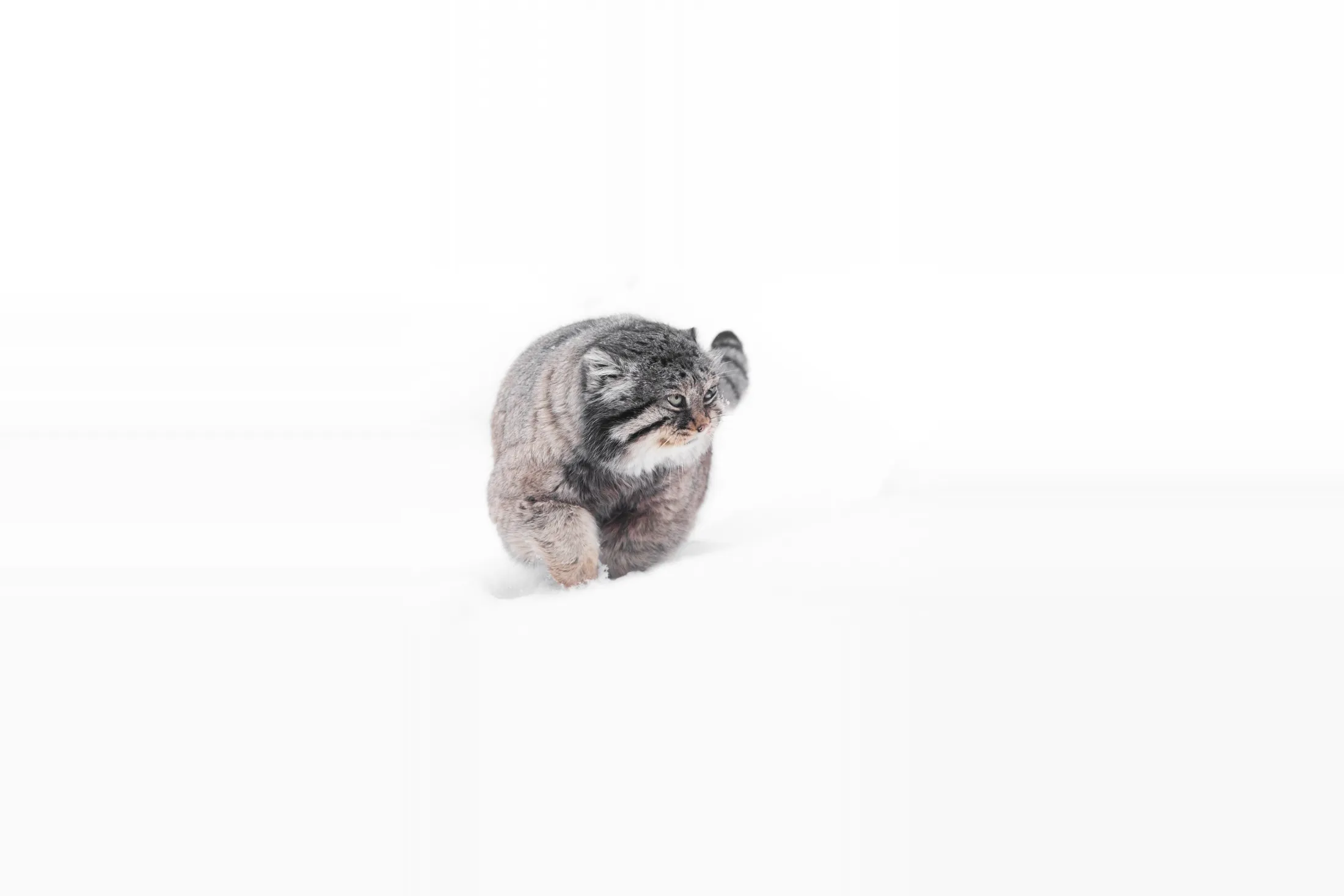
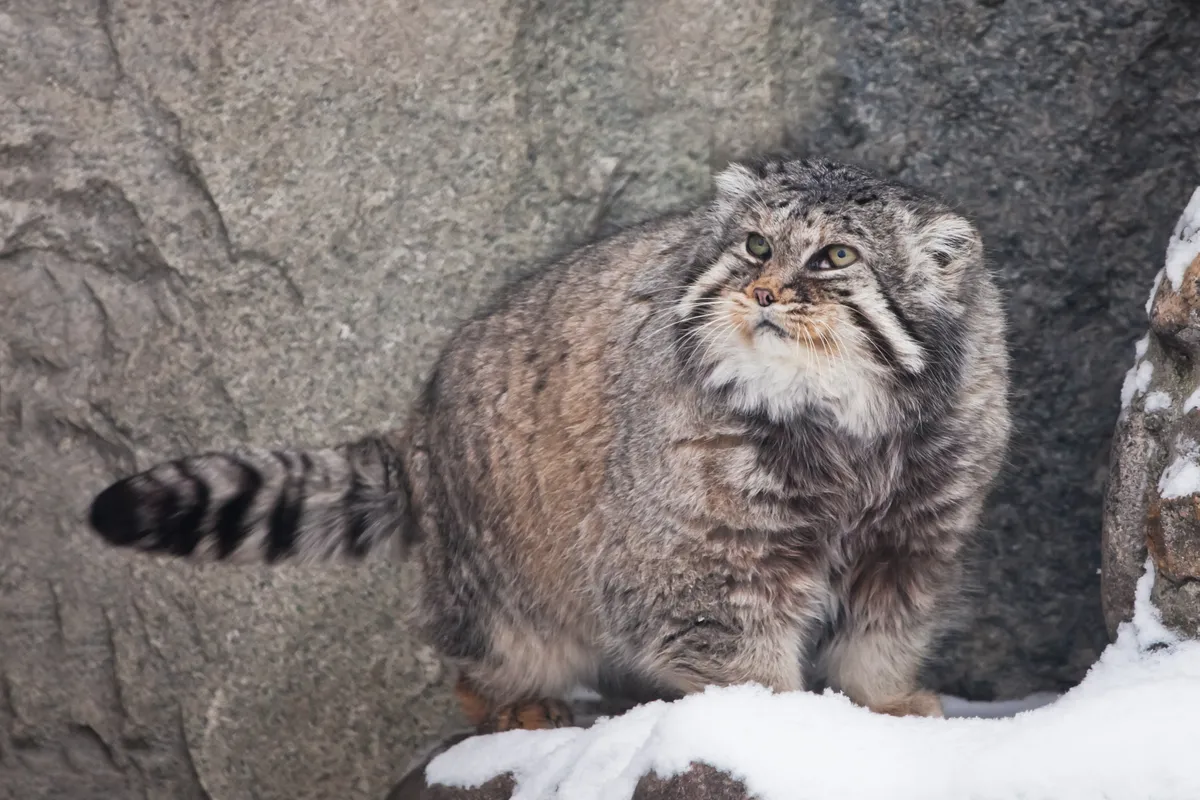
A seven-day winter wildlife expedition into Mongolia’s Eastern Steppe, with five full days searching for Pallas’s cats alongside the researchers and trackers who study them. The cats wear their thickest coats at this time of year, and when snow is present, their tracks can help the team follow their movements across the steppe.
Days are cold and exposed, and the programme follows the weather and recent wildlife activity. Corsac foxes, tolai hares and resident birds of prey may also be encountered. Camouflage screens are used when appropriate so that observations remain quiet and disturbance is kept to a minimum.
When to come
| Late June–July | Best summer period : green steppe and the possibility of females with young kittens |
|---|---|
| August–October | Very good for adult cats, dispersing young and autumn landscapes |
| November–February | Best winter period : thick coats, low vegetation and possible snow |
When to come
| Late June–July | Best summer period : green steppe and the possibility of females with young kittens |
|---|---|
| August–October | Very good for adult cats, dispersing young and autumn landscapes |
| November–February | Best winter period : thick coats, low vegetation and possible snow |
EquipmentWhat we provide, and what you need to bring
Provided by Artus Expeditions
- Shared spotting scopes and tripods
- Portable camouflage screens and sitting mats
- Bedding and additional blankets at the research centre
- Drinking water and hot drinks in the field
- A group first-aid kit and shared charging facilities
You will need to bring
- Suitable layers, including a fleece and windproof outer jacket
- Sturdy walking boots and warm socks
- A hat, gloves, sunglasses and sunscreen
- Binoculars, a small daypack and a reusable bottle or thermos
- A headlamp, personal medication and toiletries
- Power banks and spare batteries
For photographers
- A camera with a long telephoto lens
- A stable tripod or monopod
- Spare batteries, memory cards and weather protection
Seasonal equipment
Summer travellers should bring lightweight clothing, a sun hat and a light waterproof jacket. Winter departures require thermal layers, an insulated parka and trousers, winter boots, heavy gloves and protection for the face. We will review your winter equipment with you before departure.
Where it goes
Natural Earth; Khövsgöl protected areas traced from the UTSPA map. Other areas shown at true area, not surveyed boundaries.
Where we work
Steppe Wildlife Conservation & Research Center
Eastern Mongolian steppe— only about 12% of the Pallas’s cat’s range in Mongolia carries any protection
The Steppe Wildlife Conservation & Research Center studies and protects wildlife across open steppe that lies outside Mongolia’s protected-area network. Its work includes long-term research on Pallas’s cats, steppe eagle monitoring and marmot reintroduction. Our expeditions spend several days in the field with the centre’s researchers and trackers, using the knowledge they have built here over years of work.
Research partner
Steppe Wildlife Conservation & Research Center
 The Pallas’s cat expedition is based at their centre in the Eastern Steppe, and the five days in the field are spent with their researchers and trackers on ground they have surveyed since 2015. We do not publish where the centre is : the cats live on steppe that carries no legal protection.
Day by day
The itinerary
Day 1
Ulaanbaatar to the Eastern Steppe
Leave Ulaanbaatar early and travel east across the steppe to the research centre. On arrival, settle into your ger and meet the researchers and trackers who will accompany the expedition. They will introduce their work, explain how the cats are monitored and prepare the plan for the days ahead.
Days 2–6
Five full days with the Pallas’s cat
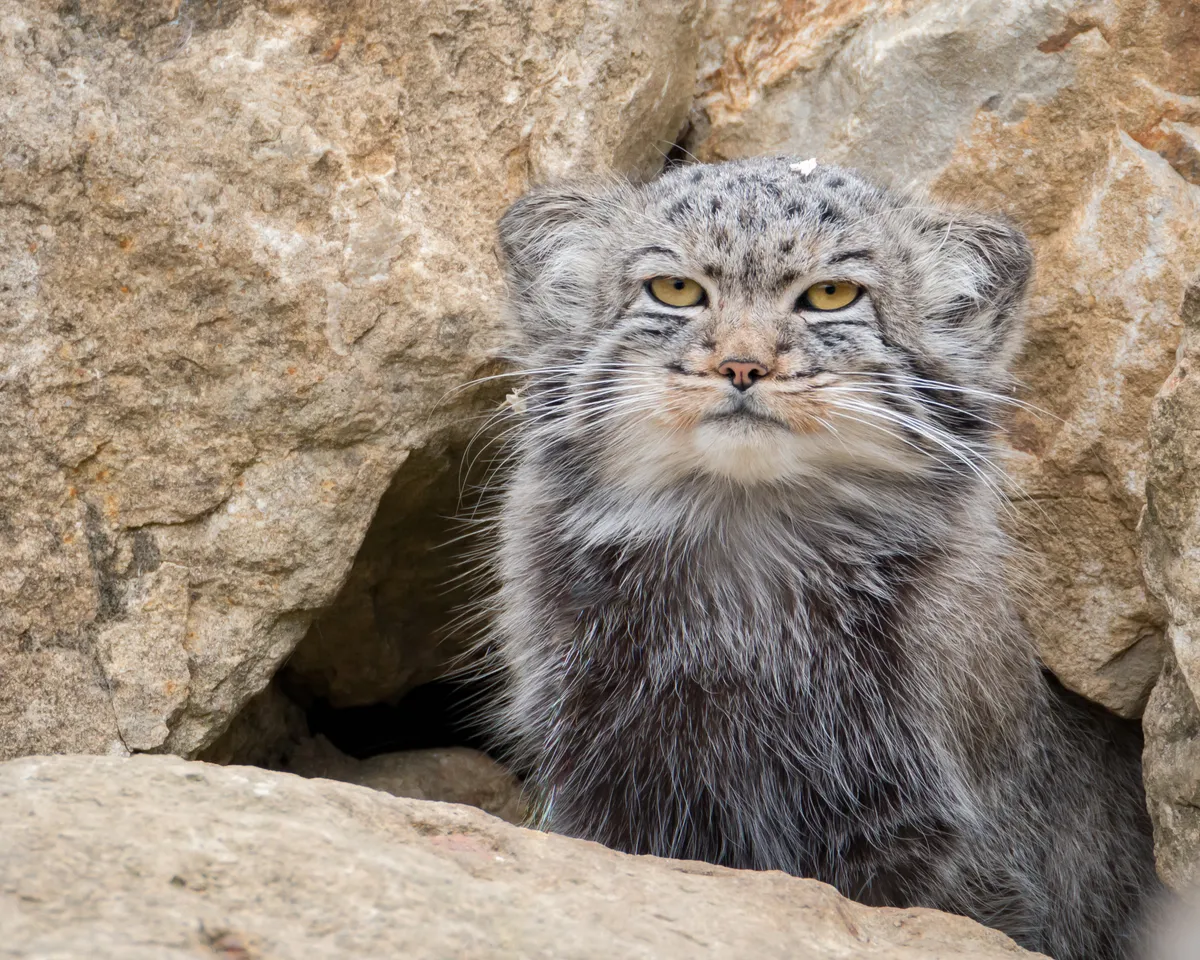
Spend five full days searching for and observing Pallas’s cats with the centre’s researchers and trackers. Each day follows recent sightings, weather and the movements of the cats. Time is spent scanning rocky slopes, valleys and marmot burrows, then watching quietly from a safe distance when a cat is found.
When appropriate, we use portable camouflage screens to make ourselves less visible and reduce disturbance
The daily schedule remains flexible. Some sightings may last only a few minutes, while others may allow several hours of observation. In early summer, females and kittens may sometimes be seen around their dens, while winter offers the chance to observe adults in their thick seasonal coats.
Corsac foxes, tolai hares, Brandt’s voles, Steppe Eagles, Eurasian Eagle-Owls and other steppe wildlife may also be encountered.
Day 7
Return to Ulaanbaatar
Leave the research centre after breakfast and begin the journey back to Ulaanbaatar. Stops can be made along the way whenever wildlife or bird activity makes them worthwhile, with arrival in the capital expected in the evening.
Your expedition
What is included :
Included
- All ground transport in Mongolia, using our own vehicles and drivers, with fuel included
- All accommodation listed in the itinerary
- All meals and drinking water throughout the expedition
- Your expedition guide, together with the local rangers, trackers and spotters who work with us
- All park and reserve entry fees and permits
- Airport transfers in Ulaanbaatar on the scheduled arrival and departure days
- All camping and cooking equipment required by the itinerary
Not included
- International flights to and from Ulaanbaatar
- Optional domestic flights offered instead of an overland journey
- Travel insurance, which is required and must cover medical evacuation
- Visa fees, where applicable
- Alcoholic drinks and personal expenses
- Optional activities or services not listed in the itinerary
Key species
Wildlife to look for on this expedition
Regular
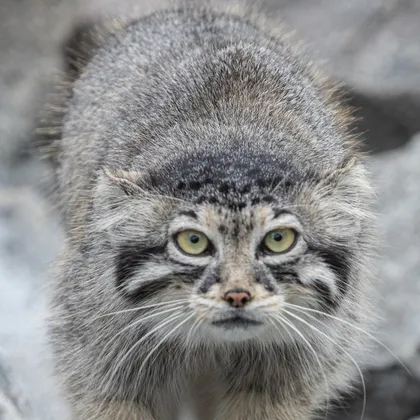
Pallas's catOtocolobus manulRegular 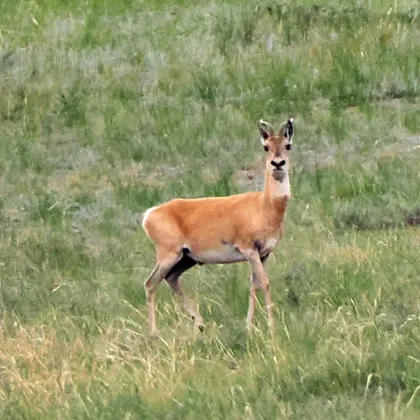
Mongolian gazelleProcapra gutturosaRegular
Occasional
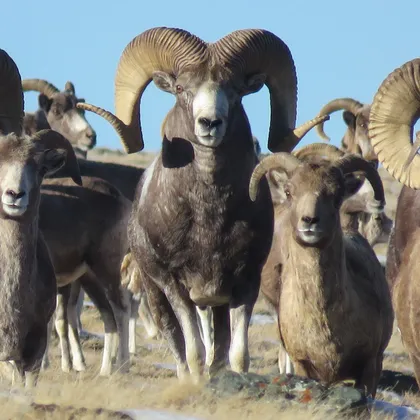
ArgaliOvis ammonOccasional 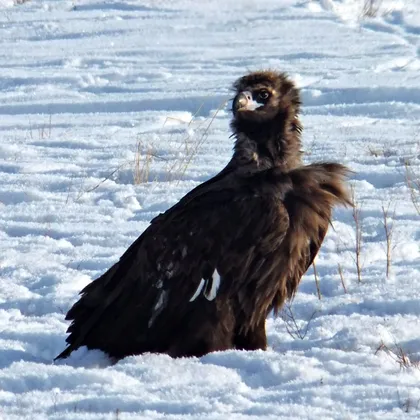
Cinereous vultureAegypius monachusOccasional 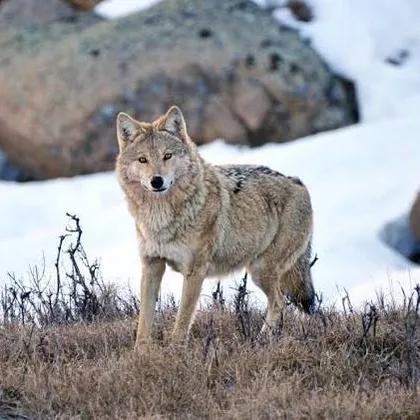
Grey wolfCanis lupusOccasional
Other species you may see
- Corsac Fox
- Siberian Marmot
- Steppe Polecat
- Steppe Eagle
- Saker Falcon
- Eurasian Eagle-Owl
- Mongolian Lark
- Pallas’s Sandgrouse
- Oriental Plover
Before you book
The realities of this expedition
This is not a physically demanding expedition, but it takes place in a remote part of the steppe and the days are planned around the wildlife.
- The journey between Ulaanbaatar and the research centre takes approximately ten hours each way.
- Ger accommodation at the centre is simple, with shared facilities.
- Observations can involve periods of quiet waiting, often seated behind camouflage screens.
Before you book
The realities of this expedition
This is not a physically demanding expedition, but it takes place in a remote part of the steppe and the days are planned around the wildlife.
- The journey between Ulaanbaatar and the research centre takes approximately ten hours each way.
- Ger accommodation at the centre is simple, with shared facilities.
- Observations can involve periods of quiet waiting, often seated behind camouflage screens.
- In winter, temperatures remain well below freezing and observation sessions can involve long periods in the cold.
How we watch
Watching without disturbing
We keep our distance, never bait or call animals, and do not use drones. In the field, we follow the guidance of the local rangers and researchers working with us. Every traveller is briefed before the expedition.
Sightings are never guaranteed. The welfare of the animal always comes before the photograph.
Ask us anything about this trip
Dates, fitness, cold, cameras, or what happens if the weather closes in. We answer these ourselves.