Expedition
In search of the Snow Leopard
Tost Nature Reserve, South Gobi
- Length
- 10 days
- Months
- October to April
- Next departure
- November 2026
- Group
- 2 to 6 travellers
Overview
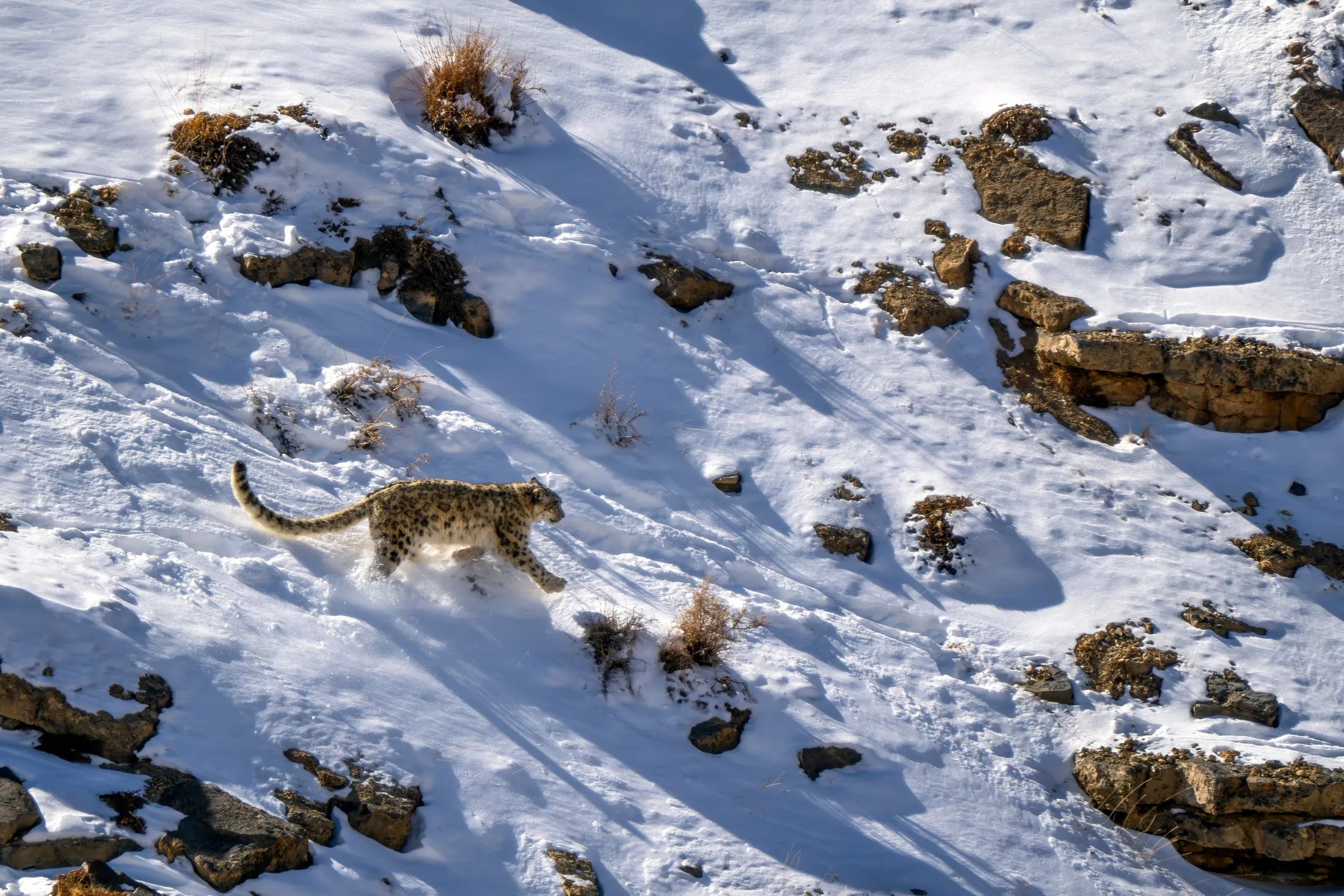
This 10-day expedition takes you into Tost Tosonbumba Nature Reserve, one of Mongolia’s most important snow leopard habitats. We stay at the Snow Leopard Conservation Foundation’s research centre and spend five full days searching the surrounding mountains with local rangers and trackers.
Each day is guided by recent signs, weather and animal movements. We follow tracks and scrapes, scan ridges and valleys, and spend long hours watching from a distance.
The snow leopard is our main focus, but it is not the only wildlife that makes Tost worth exploring. Ibex and argali share these mountains, while goitered gazelles, foxes and several species of mountain raptor may also be seen. Looking for them, following tracks and learning how the different species use the landscape are all part of the time we spend in the field.
The journey also includes a day in Yolyn Am, another good area for ibex, argali and mountain birds. Accommodation at Tost is simple, the drives are long and the field days require patience, but this is what allows us to spend real time in one of Mongolia’s most remote wildlife landscapes.
EquipmentWhat we provide, and what you need to bring
Conditions in Tost vary considerably between November, January and April. The essentials are listed below, and every traveller receives a season-specific packing guide before departure.
Provided by Artus Expeditions
- Shared spotting scopes and tripods
- Bedding and additional blankets at the research centre
- Insulated sitting mats for long periods of observation
- Drinking water and hot drinks in the field
- A group first-aid kit
- Shared charging facilities for cameras and personal devices
You will need to bring
- Thermal base layers for both the upper and lower body
- A fleece or insulated mid-layer
- A warm insulated parka and windproof outer layer
- Warm, wind-resistant trousers
- Insulated and waterproof walking boots
- A warm hat, neck gaiter or balaclava
- Thin liner gloves and heavy insulated gloves or mittens
- Several pairs of warm wool socks
- Sunglasses, sunscreen and protective lip balm
- A small daypack
- A headlamp with spare batteries
- An insulated water bottle or thermos
- Personal medication, toiletries, hand sanitiser and wet wipes
- Power banks and spare batteries for electronic equipment
For photographers
- Camera and your longest available telephoto lens
- A stable tripod
- Spare batteries and memory cards
- Protection against dust, wind and occasional snow
Optional but useful
- Trekking poles
- Gaiters or traction aids
- Hand and foot warmers
- A lightweight pair of shoes for use inside the research centre
Note for January trips
January departures require serious winter equipment. A long insulated parka, insulated trousers, heavy mittens and winter boots suitable for prolonged periods around −25°C are essential. We will review your equipment with you before departure.
Where it goes
Natural Earth; Khövsgöl protected areas traced from the UTSPA map. Other areas shown at true area, not surveyed boundaries.
Protected since 2016
Tost Tosonbumba Nature Reserve
7,000 km²— four and a half times the area of Greater London
The first protected area in the world created specifically for snow leopards. Its protection followed years of campaigning by local herders and conservationists, eventually removing mining from the reserve while allowing traditional herding to continue. Tost also links major protected landscapes across the South Gobi, forming an important corridor for snow leopards.
Research partner
Snow Leopard Conservation Foundation
 The Foundation has led the long-term snow leopard research programme in Tost since 2008. Our expedition is based at its research centre, and the days in the reserve are guided by a local ranger working on the same ground as the research team.
Day by day
The itinerary
Day 1
Ulaanbaatar to Dalanzadgad
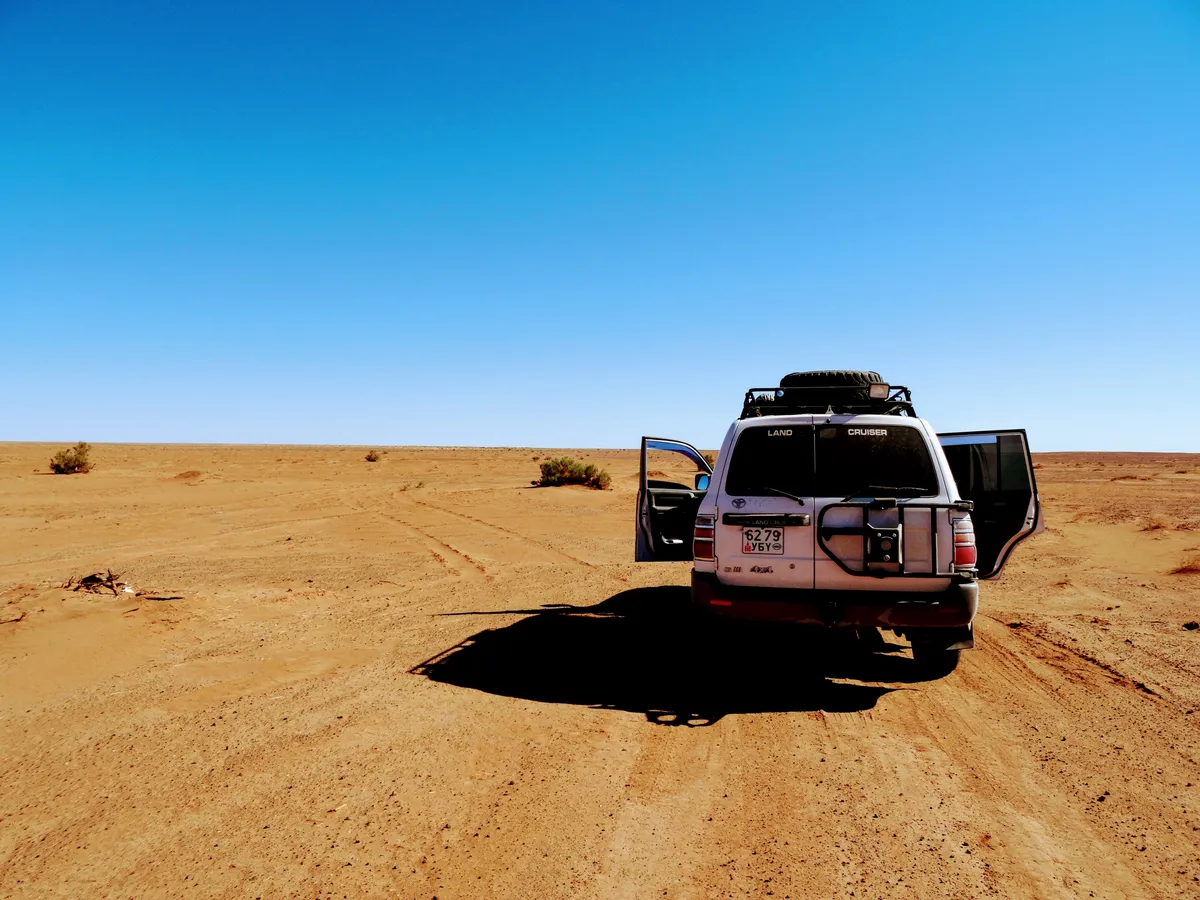
Leave Ulaanbaatar early and drive south to Dalanzadgad. Along the way, the open steppe becomes drier and the first Gobi landscapes begin to appear. Travelling by road gives you a better sense of the country and its size.
Day 2
Yolyn Am
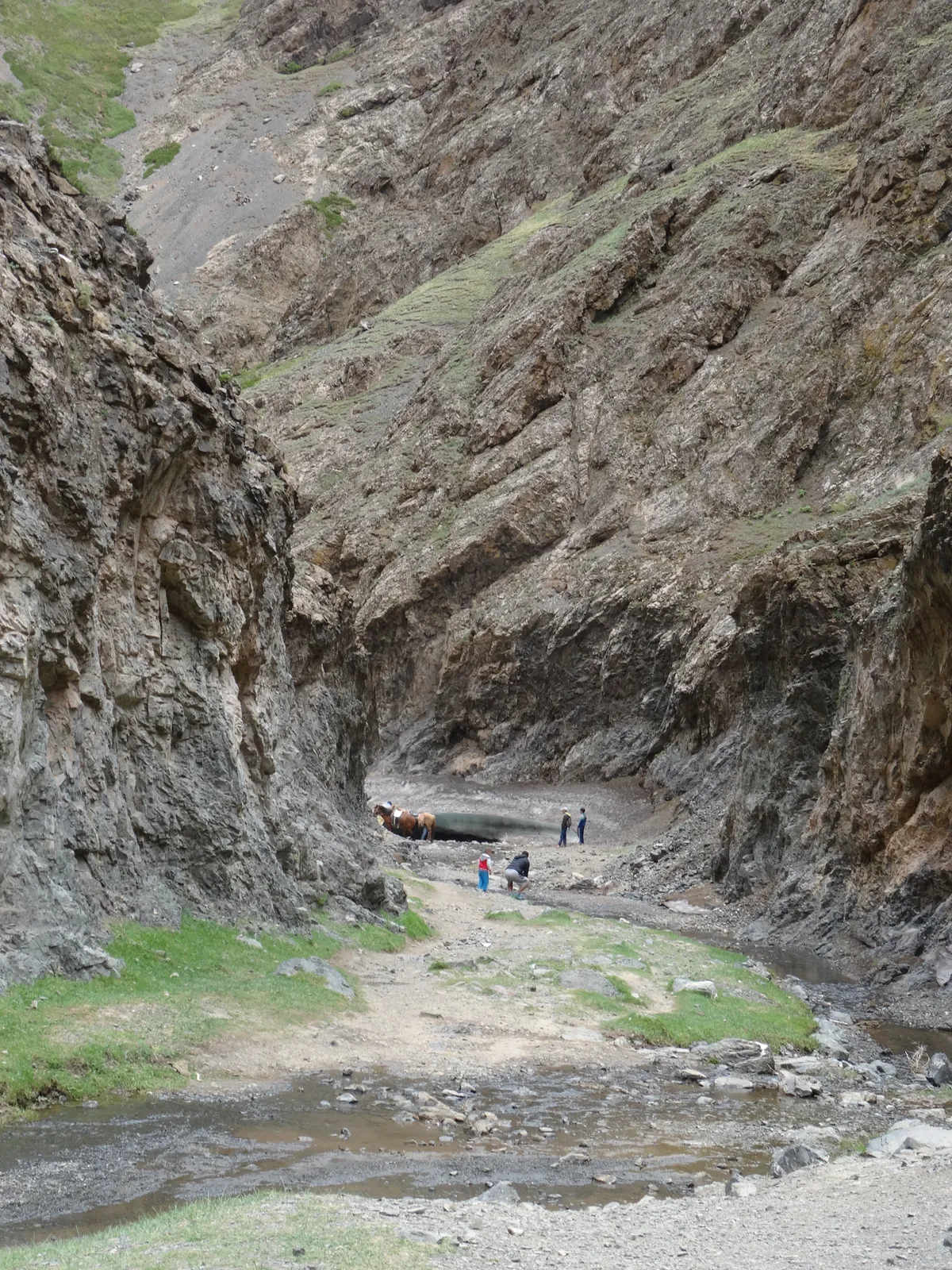
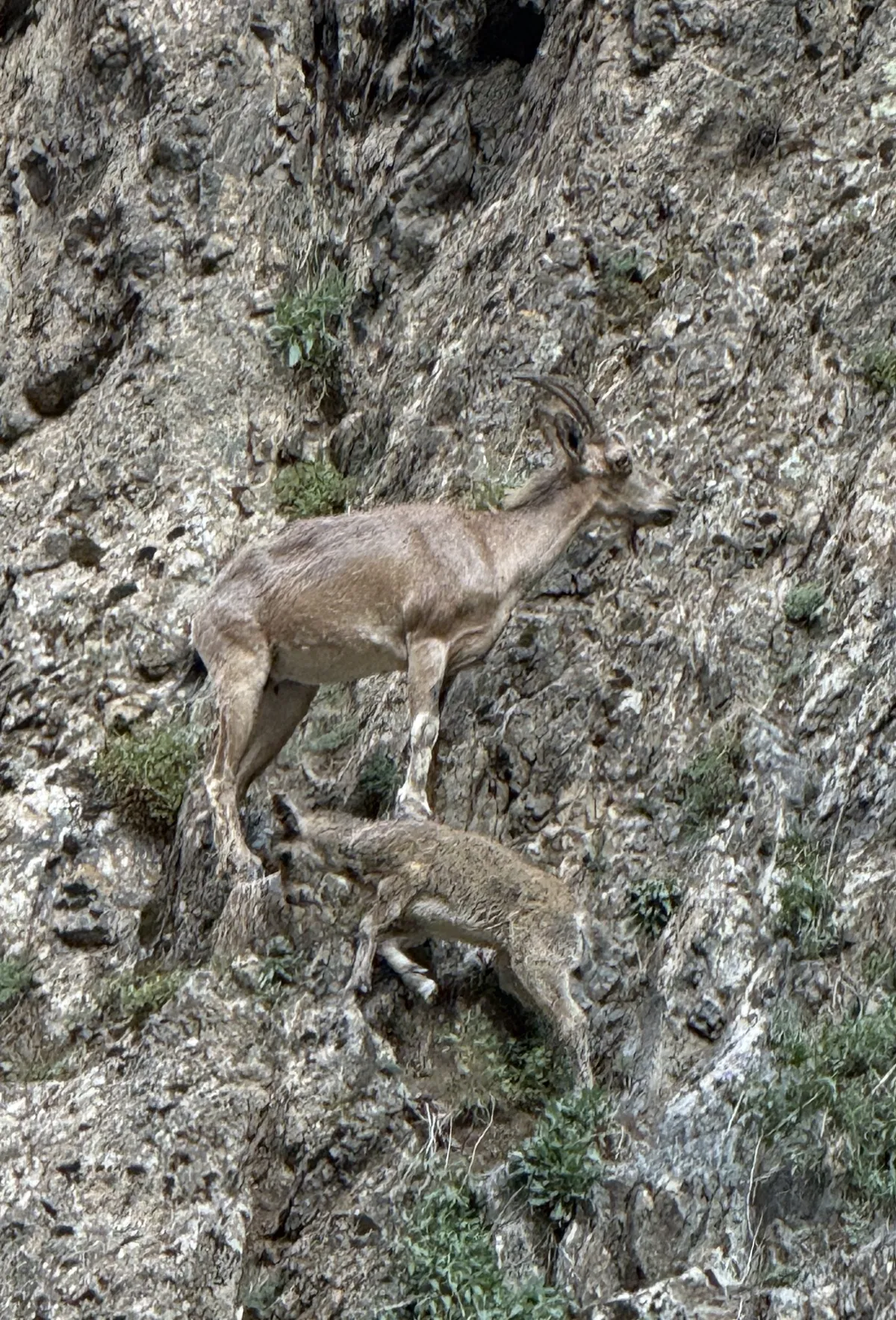
Spend the day exploring Yolyn Am, a narrow gorge in Gobi Gurvansaikhan National Park. We look for Siberian ibex on the rocky slopes and watch the cliffs for golden eagles, bearded vultures and cinereous vultures. Argali may also be seen in the area.
Day 3
Into Tost Nature Reserve
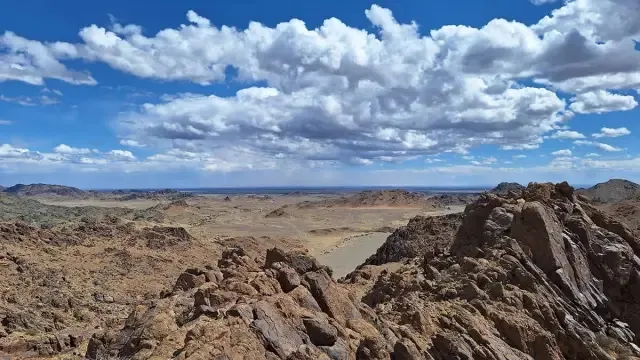
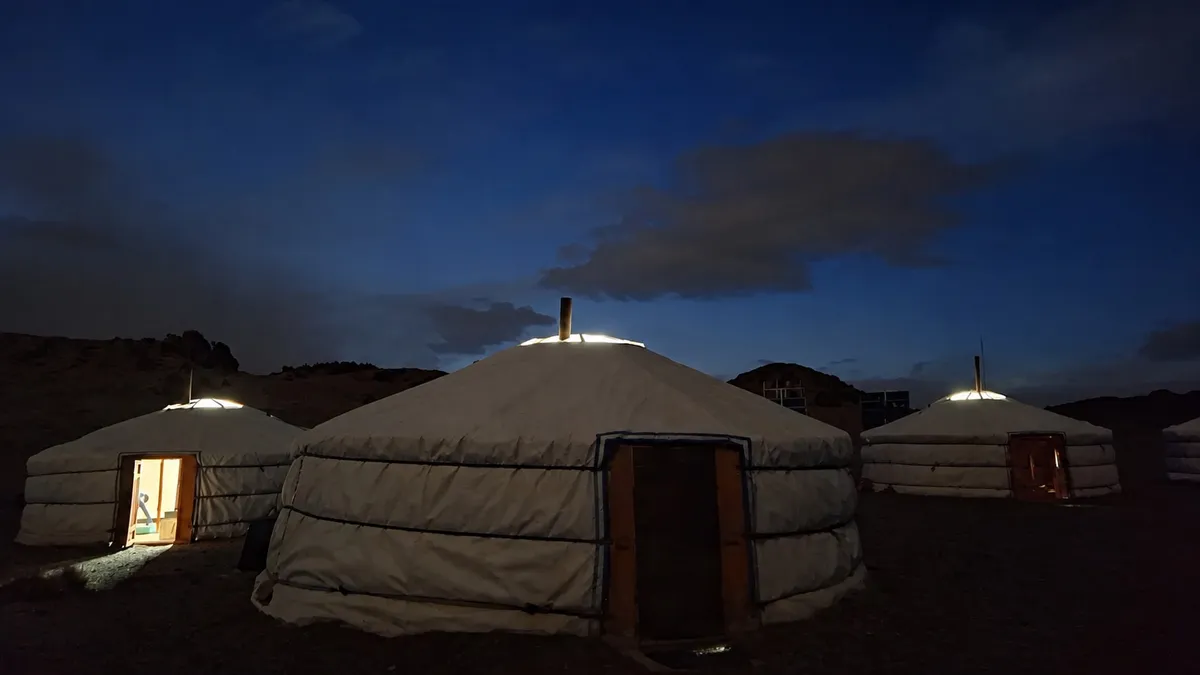
Drive west through Gurvantes before leaving the main road and continuing by track into Tost. Arrive at the Tost Research Base Camp in the afternoon. A long-term study of the area’s snow leopards has been running here since 2008, and the camp will be our base for the next six nights.
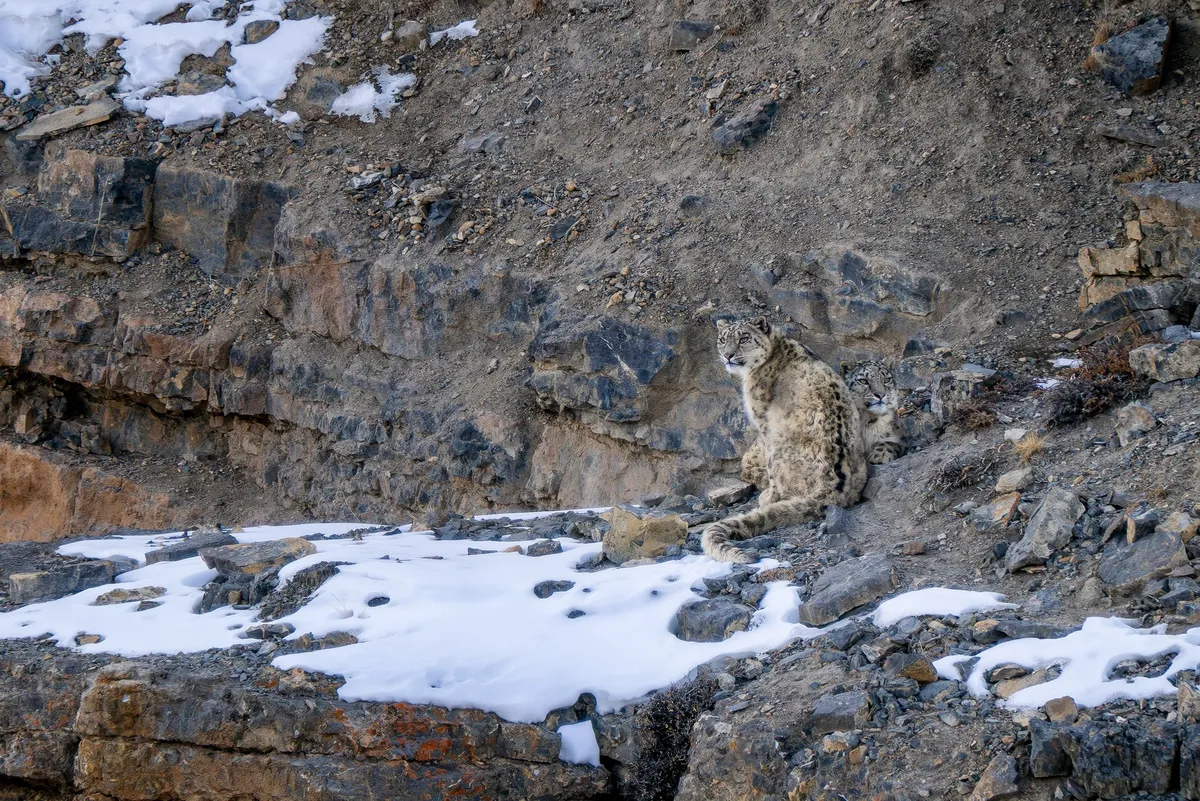
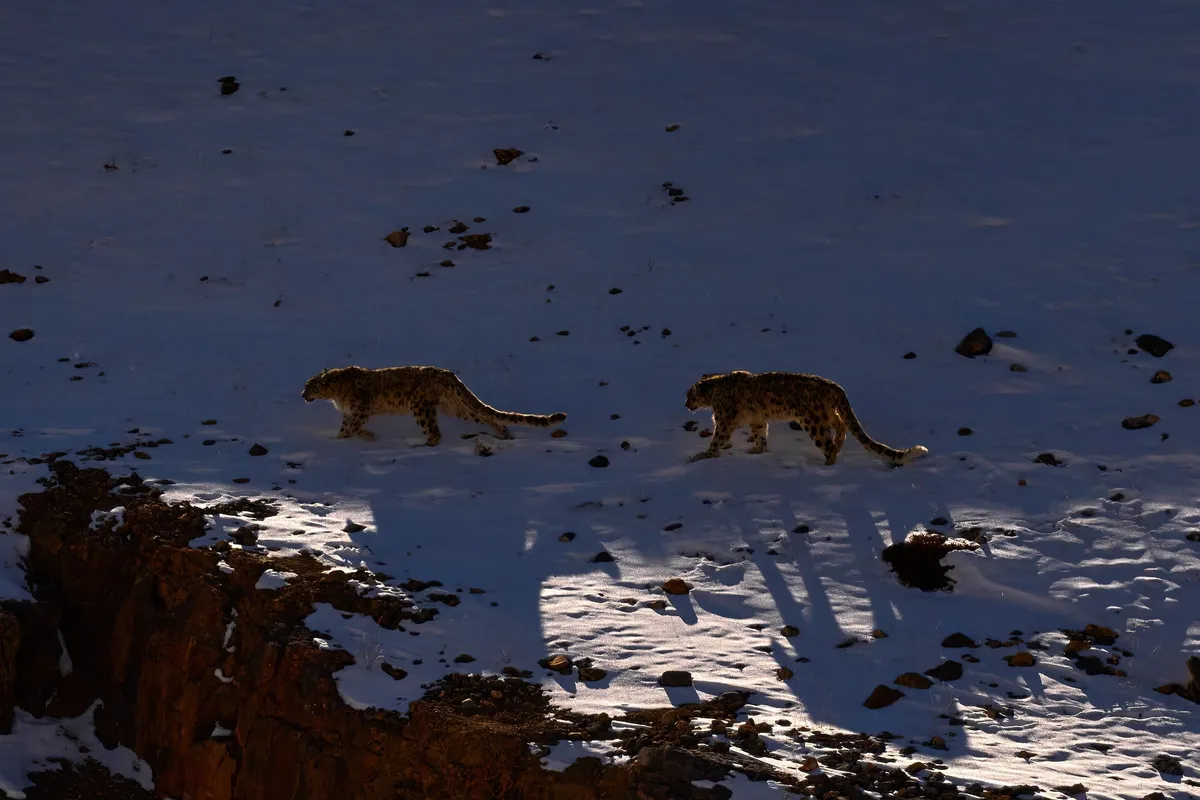
Days 4–8
Five Full Days in Tost
Each morning, we leave camp before sunrise with a local ranger. The day’s route depends on recent tracks, wildlife movements and weather conditions.
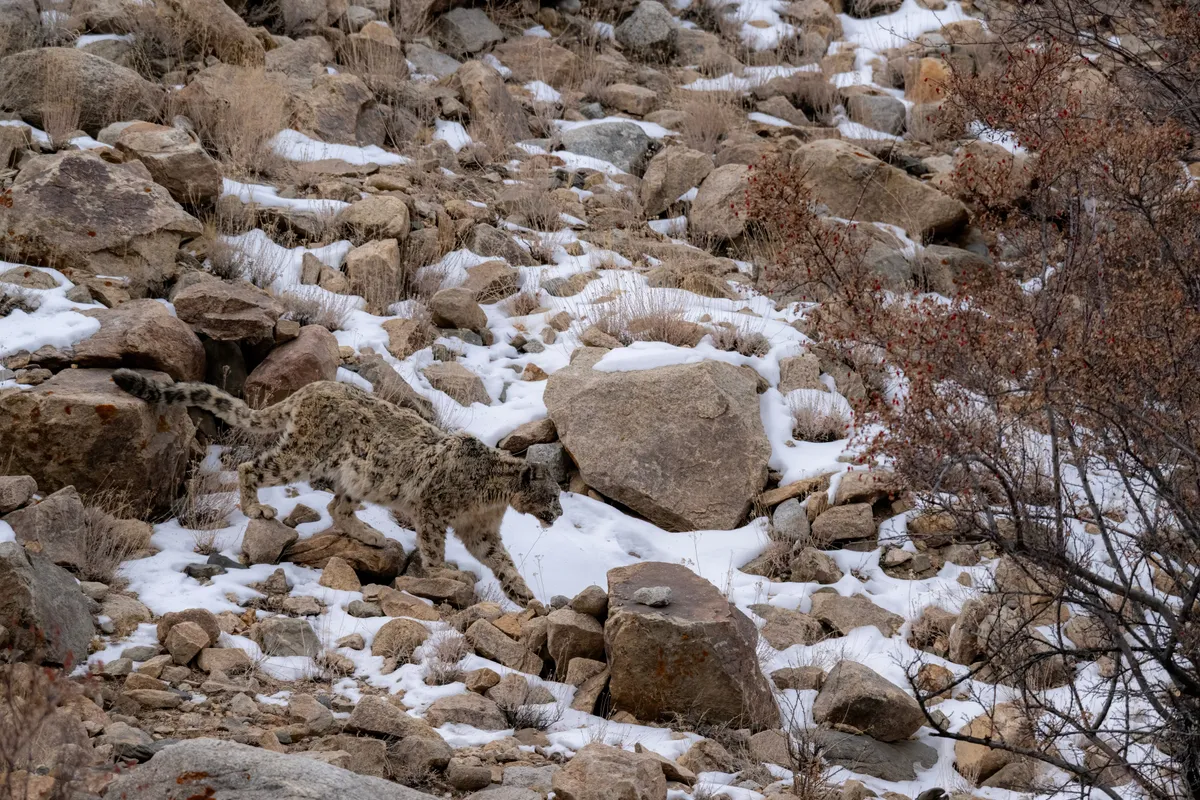
A large part of the day may be spent quietly watching the mountains through spotting scopes. We may also walk along valley floors to look for tracks, scrapes and other signs of snow leopard activity. Lunch is taken in the field, with a return to camp around dusk.
Sightings can never be guaranteed, but five full days give us time to search carefully and follow any fresh signs found during the week.
Day 9
Tost to Dalanzadgad
Leave Tost after breakfast and drive back across the Gobi to Dalanzadgad. Arrival is expected in the late afternoon or evening, depending on conditions.
Day 10
Dalanzadgad to Ulaanbaatar
Drive north to Ulaanbaatar, arriving in the capital in the early evening.
Your expedition
What is included :
Included
- All ground transport in Mongolia, using our own vehicles and drivers, with fuel included
- All accommodation listed in the itinerary
- All meals and drinking water throughout the expedition
- Your expedition guide, together with the local rangers, trackers and spotters who work with us
- All park and reserve entry fees and permits
- Airport transfers in Ulaanbaatar on the scheduled arrival and departure days
- All camping and cooking equipment required by the itinerary
Not included
- International flights to and from Ulaanbaatar
- Optional domestic flights offered instead of an overland journey
- Travel insurance, which is required and must cover medical evacuation
- Visa fees, where applicable
- Alcoholic drinks and personal expenses
- Optional activities or services not listed in the itinerary
Key species
Wildlife to look for on this expedition
Regular
Snow leopardPanthera unciaRegular 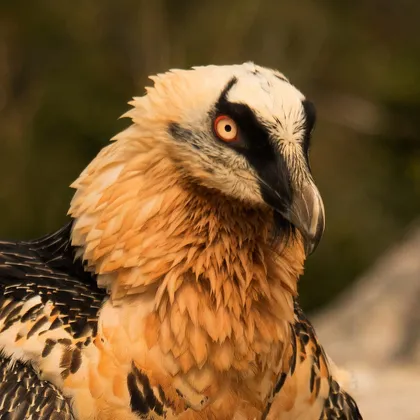
Bearded vultureGypaetus barbatusRegular 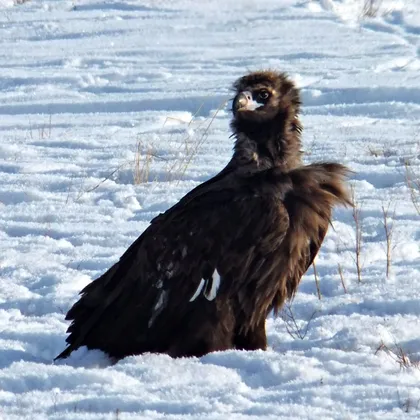
Cinereous vultureAegypius monachusRegular 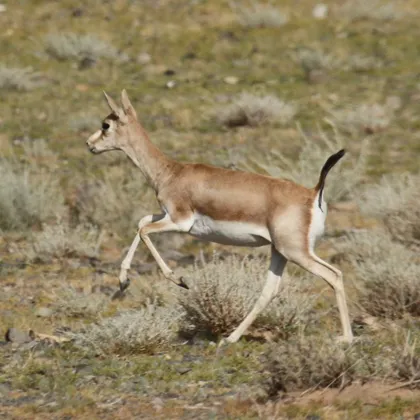
Goitered gazelleGazella subgutturosaRegular 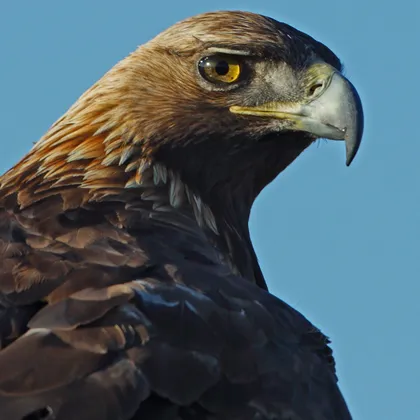
Golden eagleAquila chrysaetosRegular 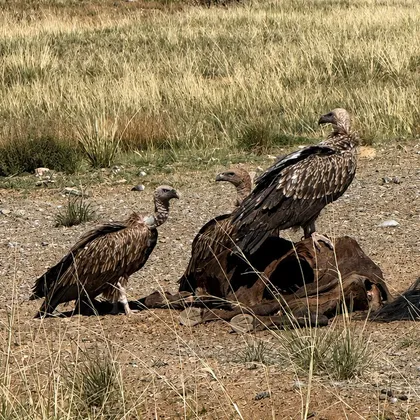
Himalayan vultureGyps himalayensisRegular 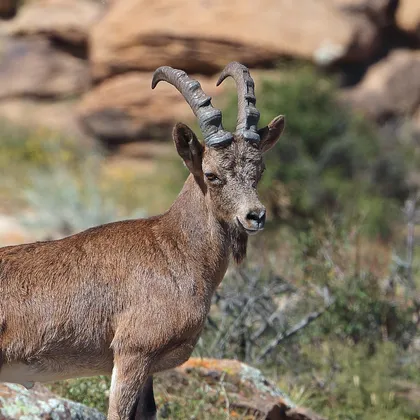
Siberian ibexCapra sibiricaRegular
Occasional
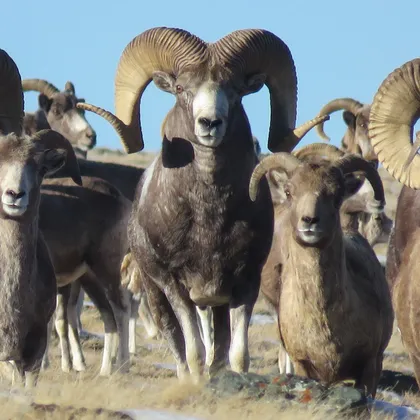
ArgaliOvis ammonOccasional
Rare
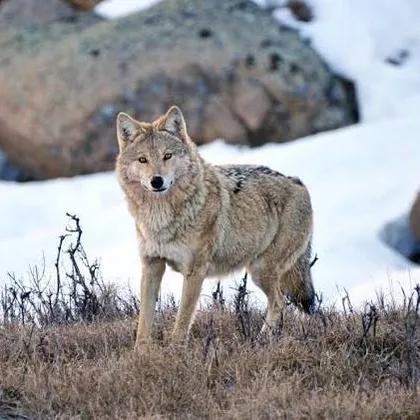
Grey wolfCanis lupusRare 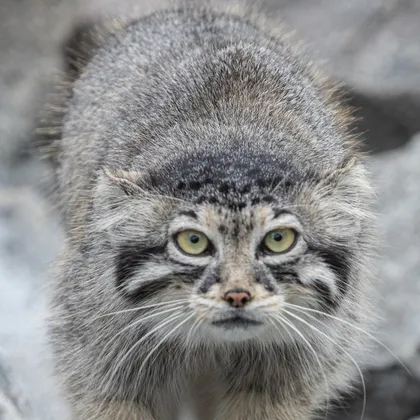
Pallas's catOtocolobus manulRare 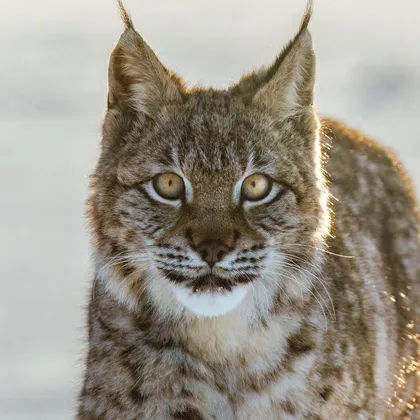
Eurasian lynxLynx lynxRare
Before you book
The realities of this expedition
This is a remote expedition with basic facilities and long days in the field. It will not suit everyone, and we want you to know what to expect before you decide.
- There is no running water at the research centre.
- November : daytime temperatures are generally between −5°C and +5°C, with nights falling to around −15°C.
- January : daytime temperatures are often between −15°C and −5°C, with nights sometimes reaching −25°C.
- April : days are usually between +5°C and +15°C, but temperatures can still fall below freezing at night.
- Field days can begin before sunrise and involve long hours of scanning from exposed ridges.
- Even with five full days in the field, a snow leopard sighting cannot be guaranteed.
How we watch
Watching without disturbing
We keep our distance, never bait or call animals, and do not use drones. In the field, we follow the guidance of the local rangers and researchers working with us. Every traveller is briefed before the expedition.
Sightings are never guaranteed. The welfare of the animal always comes before the photograph.
Ask us anything about this trip
Dates, fitness, cold, cameras, or what happens if the weather closes in. We answer these ourselves.