
Expedition
Argali, Ibex & Petroglyphs of Ikh Nart
Ikh Nart Nature Reserve, Dornogovi
- Length
- 6 days
- 4 days
- Months
- May to September
- November to March
- Temperature
- 12 °C to 30 °C
- −10 °C to −25 °C
- Group
- 2 to 6 travellers
This expedition runs in both seasons
Overview
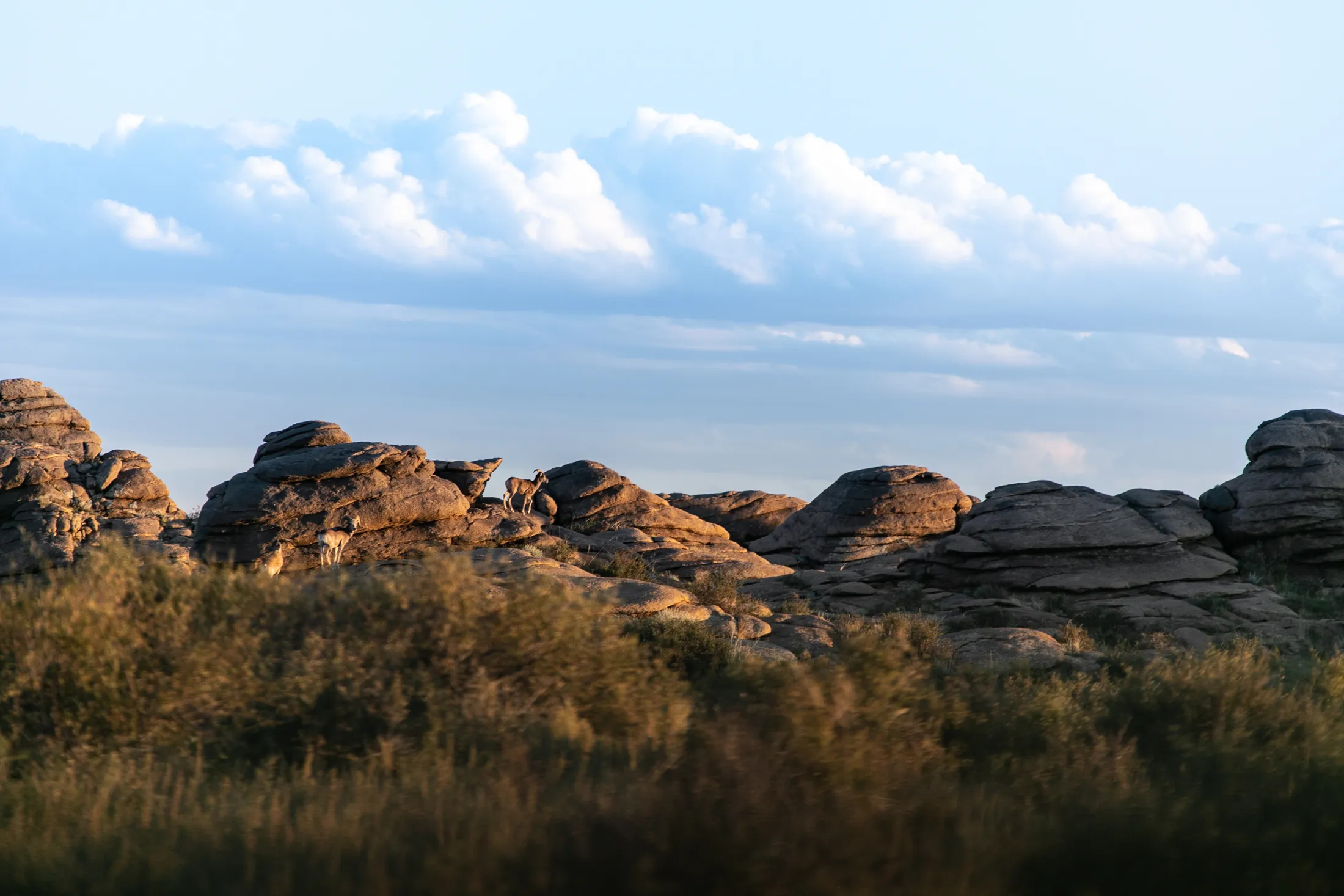
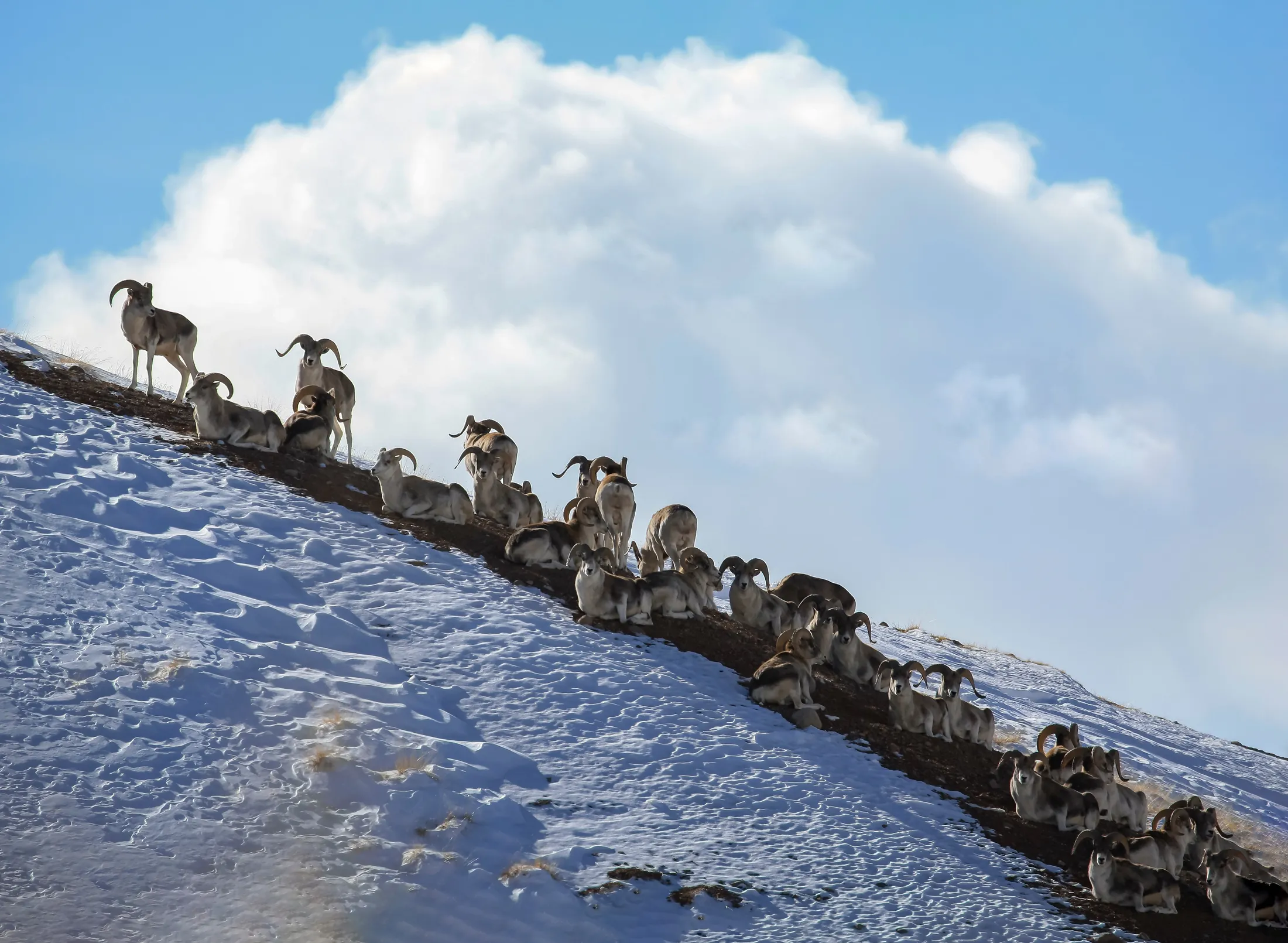
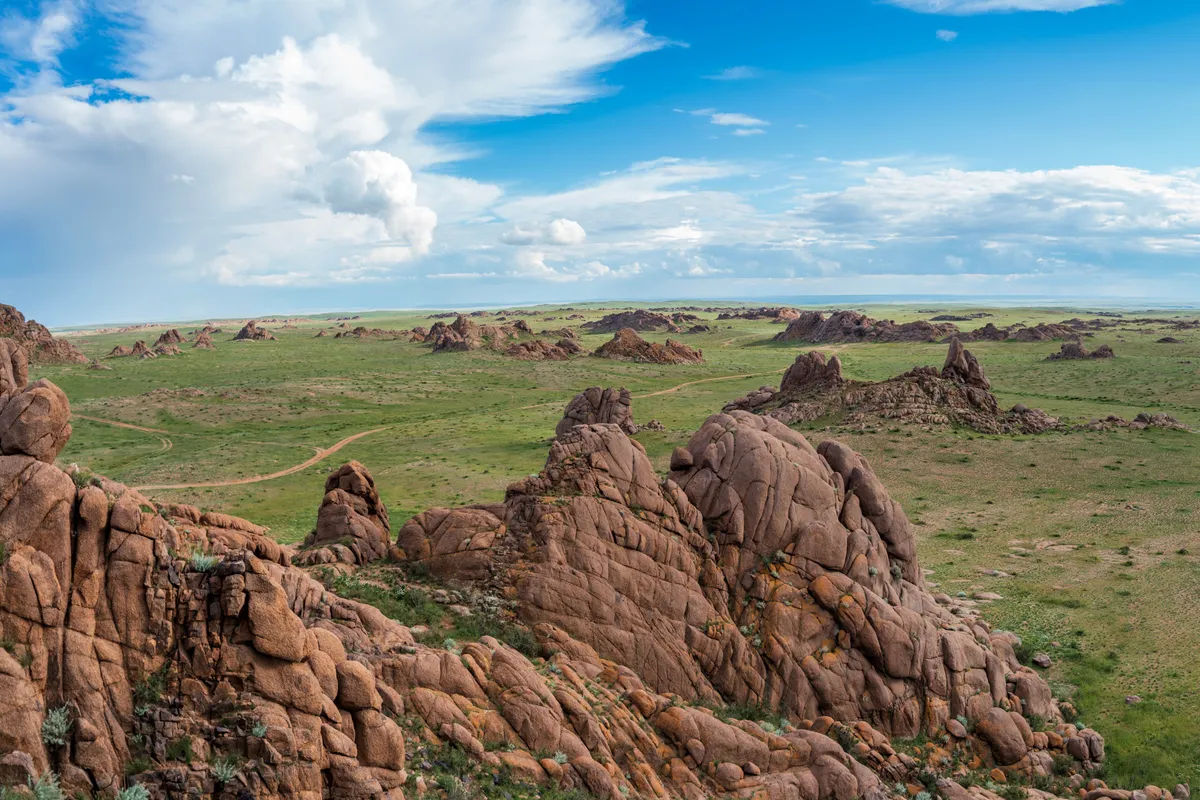
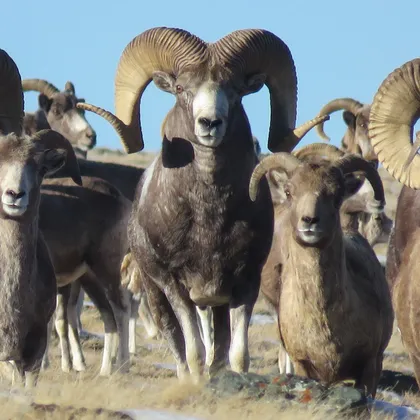
Ikh Nart is a mix of open steppe, granite hills and dry valleys. It is one of the best places in Mongolia to see argali, which are often found on the rocky ridges, along with ibex. Vultures and eagles are common overhead, while smaller animals can be seen across the steppe.
Wildlife has been studied here for many years, and researchers continue to work in the reserve. There are also ancient petroglyphs and other traces of Mongolia’s past to discover between wildlife outings.
In summer, argali lambs stay close to the herds, vultures ride the warm air above the rocks, and during the hottest part of the day, most animals retreat into the shade.
The animals concentrate near what water is left unfrozen, which makes a compact reserve smaller still. Nobody else is there, and the light is low all day rather than only at the ends of it.
When to come for the argali rut
| Late November–December | From late November into December, Ikh Nart’s argali enter the rut. Rams gather around the females and may clash horns, a sound that can carry surprisingly far across the rocky valleys. |
|---|
When to come for the argali rut
| Late November–December | From late November into December, Ikh Nart’s argali enter the rut. Rams gather around the females and may clash horns, a sound that can carry surprisingly far across the rocky valleys. |
|---|
EquipmentWhat we provide, and what you need to bring
Summer departures
Summer days can be hot, but mornings, evenings and windy days may be considerably cooler. Lightweight layers are more useful than a single heavy jacket.
Provided by Artus Expeditions
- Shared spotting scopes, tripods and binoculars
- Tents, insulated sleeping mats and sleeping bags for the night at Ikh Gazriin Chuluu
- Bedding at Ikh Nart
- Drinking water and hot drinks in the field
- A group first-aid kit
- A shared power station for charging small electronic devices
You will need to bring
- Lightweight, breathable shirts, including long sleeves
- Comfortable walking trousers
- A fleece or lightweight insulated jacket
- A windproof and waterproof outer layer
- Comfortable walking boots with good grip
- A warm hat and light gloves for cold mornings
- A sun hat, sunglasses, sunscreen and protective lip balm
- A small daypack
- A headlamp with spare batteries
- A reusable water bottle
- Insect repellent
- Personal medication, toiletries, hand sanitiser and wet wipes
- A personal power bank
For photographers
- A camera and your longest available telephoto lens
- A stable tripod or monopod
- Spare batteries and memory cards
- Protection against dust, wind, rain or snow
Optional but useful
- Lightweight camp shoes
- Trekking poles
- A light scarf or neck gaiter
- Your own binoculars
EquipmentWhat we provide, and what you need to bring
Winter departures
Winter wildlife watching involves long periods with little movement. Your clothing must keep you warm while standing or sitting in exposed terrain, not only while walking.
Provided by Artus Expeditions
- Shared spotting scopes, tripods and binoculars
- Bedding and additional winter blankets
- Insulated sitting pads
- Drinking water and hot drinks in the field
- A group first-aid kit
- A shared power station for charging small electronic devices
You will need to bring
- At least two sets of thermal base layers
- A warm fleece or insulated mid-layer
- A long, heavily insulated winter parka
- Insulated and windproof trousers
- Waterproof winter boots suitable for prolonged periods below −25°C
- A warm hat and a balaclava or insulated neck gaiter
- Thin liner gloves and heavy insulated mittens
- Several pairs of thick wool socks
- Sunglasses, sunscreen and protective lip balm
- A small daypack
- A headlamp with spare batteries
- An insulated bottle or thermos
- Personal medication, toiletries, hand sanitiser and wet wipes
- Power banks and spare batteries for electronic equipment
For photographers
- A camera and your longest available telephoto lens
- A stable tripod or monopod
- Spare batteries and memory cards
- Protection against dust, wind, rain or snow
Optional but useful
- Hand and foot warmers
- Gaiters
- Traction aids for snow or ice
- Trekking poles
- Lightweight shoes for use inside the ger
- Your own binoculars
Where it goes
Natural Earth; Khövsgöl protected areas traced from the UTSPA map. Other areas shown at true area, not surveyed boundaries.
Protected since 1996
Ikh Nartiin Chuluu Nature Reserve
660 km²— a little smaller than Singapore
One of Mongolia’s strongest areas for argali, with ibex sharing the same rocky outcrops and open steppe. More than two decades of continuous research and conservation have made Ikh Nart an unusually good place to observe both species in the wild.
Conservation partner
Ikh Nart Management NGO
The NGO has managed Ikh Nart Nature Reserve since 2019. Its rangers patrol the reserve, monitor wildlife and support long-term research with Mongolian and international partners. Our days in Ikh Nart are guided by the people responsible for protecting this landscape throughout the year.
Day by day
The itinerary
Day 1
Ulaanbaatar to Ikh Nart
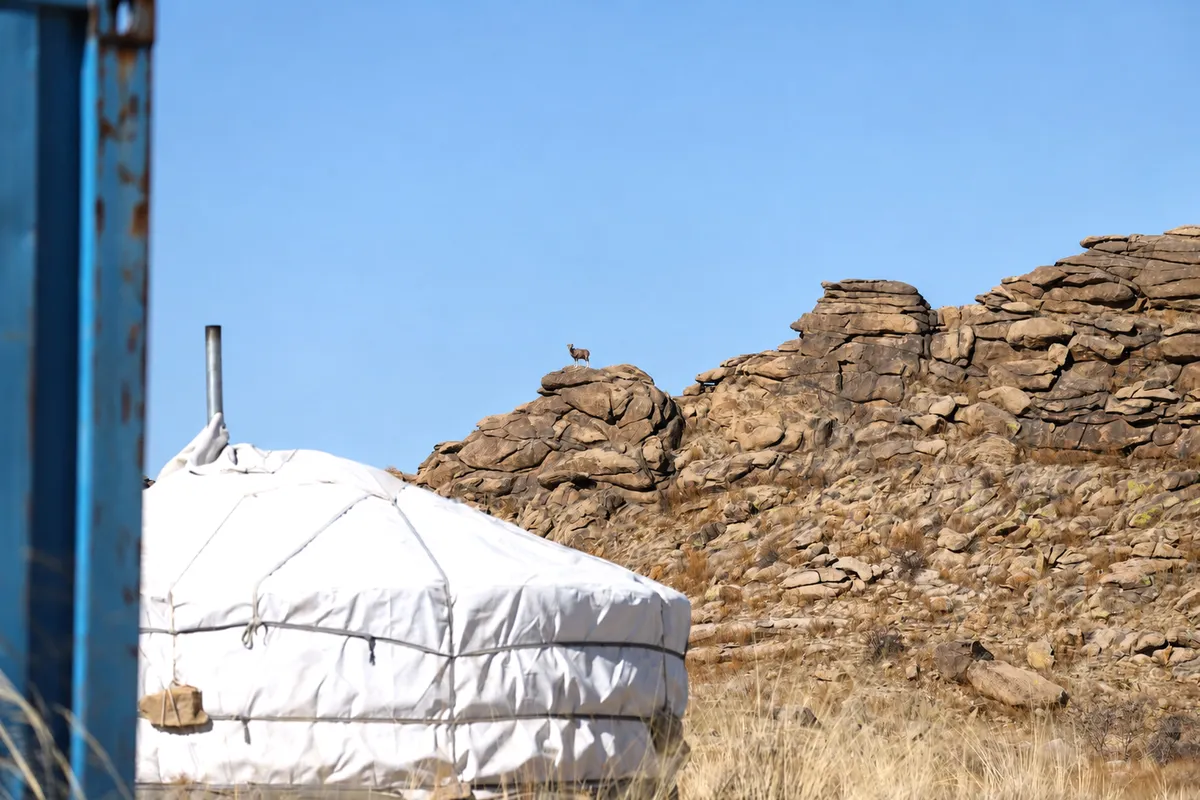
Leave Ulaanbaatar in the morning and drive south-east to Ikh Nart Nature Reserve. Arrive in the afternoon, settle into camp and head out for a first wildlife observation before sunset.
Day 2
Argali and Ibex
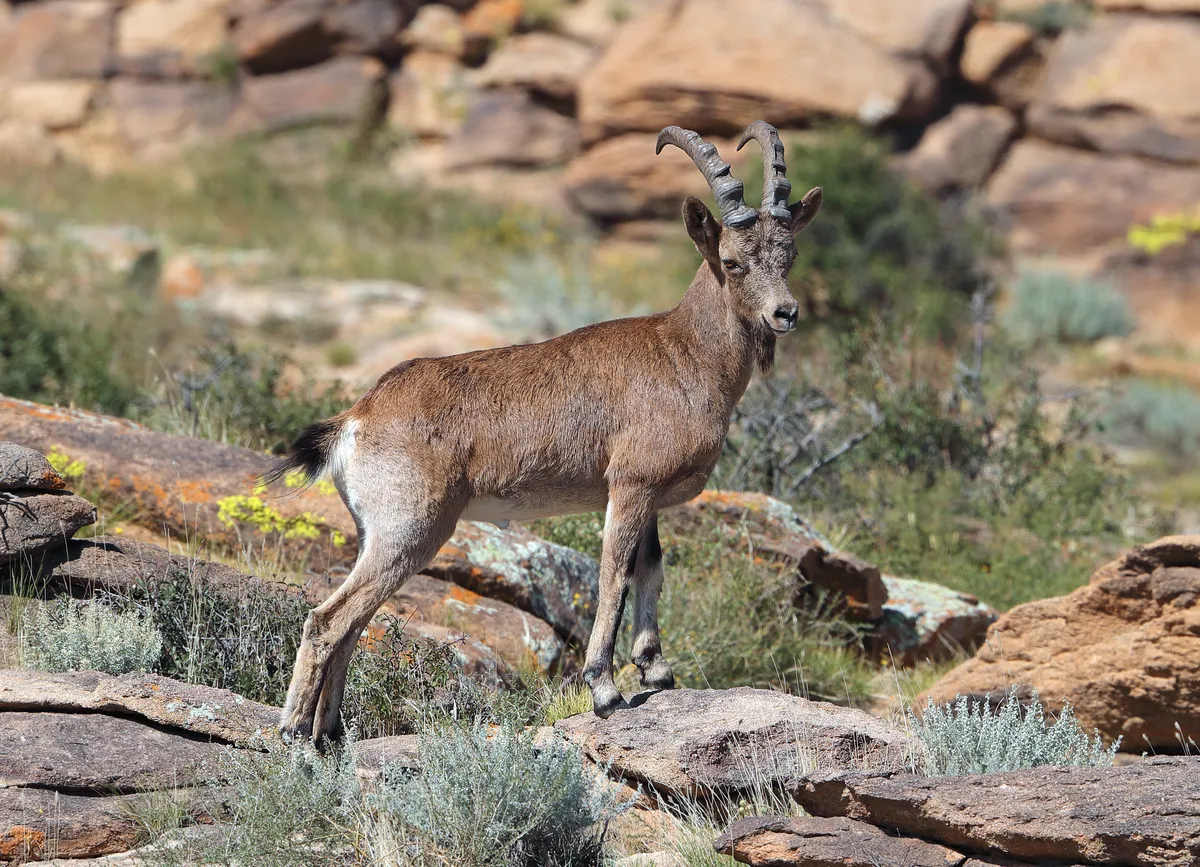
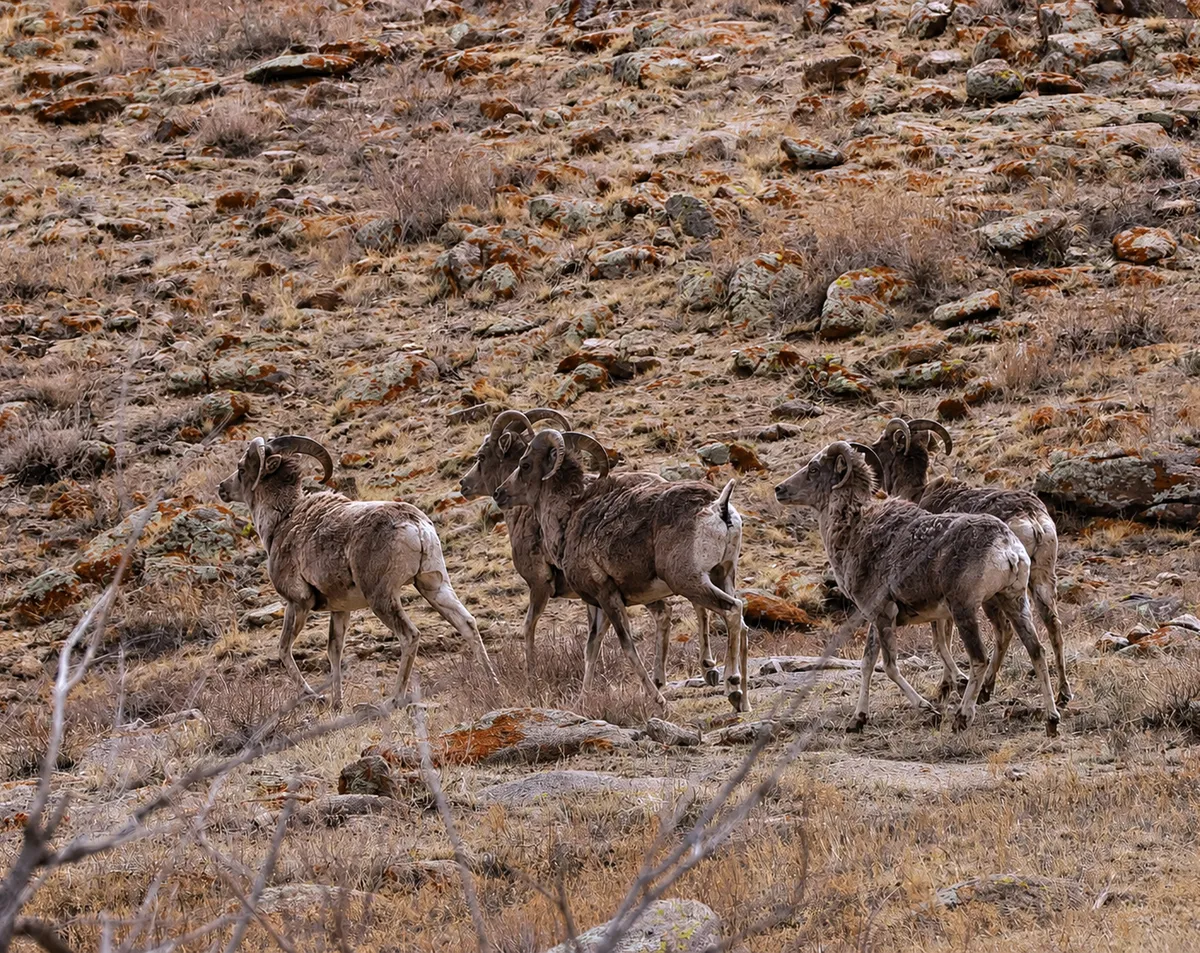
Leave camp early, when wildlife is most active. Spend the day looking for argali and Siberian ibex among the rocky hills and dry valleys of the reserve.
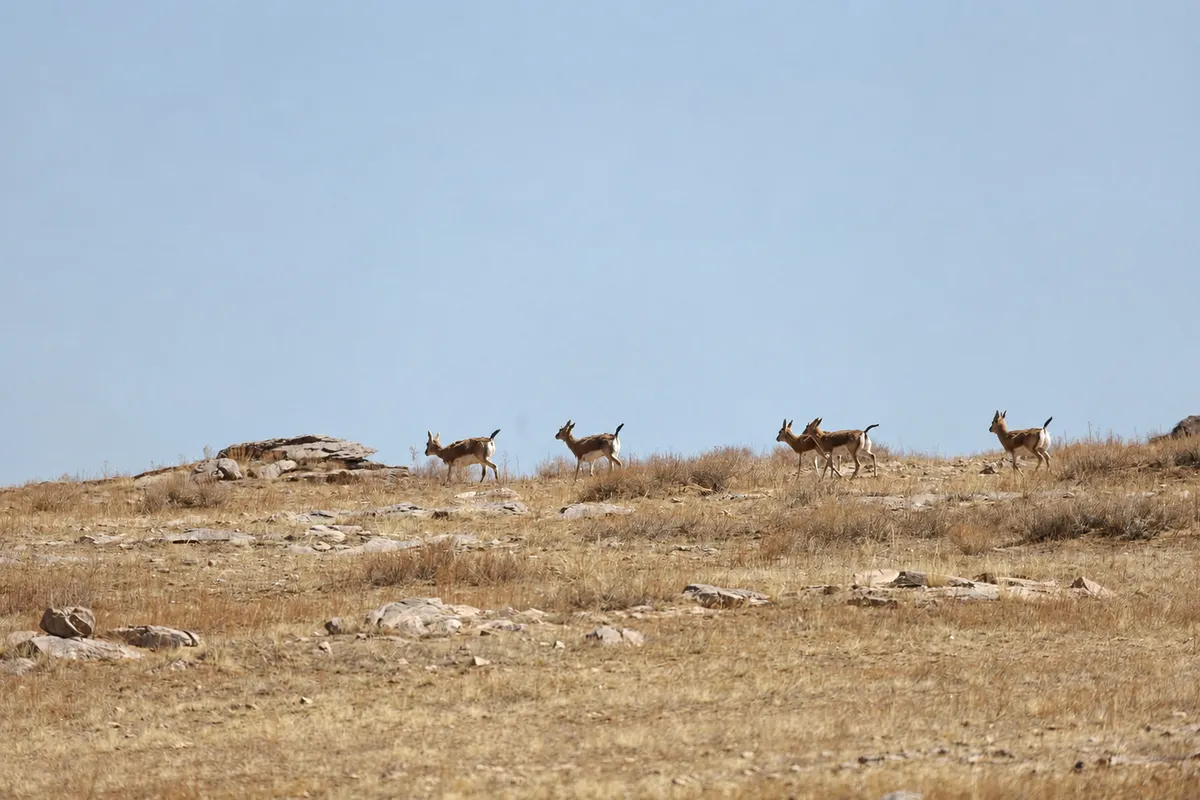
Cinereous vultures, golden eagles, saker falcons, gazelles and marmots may also be seen. Lunch is taken in the field, with another observation session later in the afternoon.
Day 3
Ikh Nart Wildlife
Explore another part of the reserve with a local guide. The route will depend on recent wildlife sightings and conditions in the field.
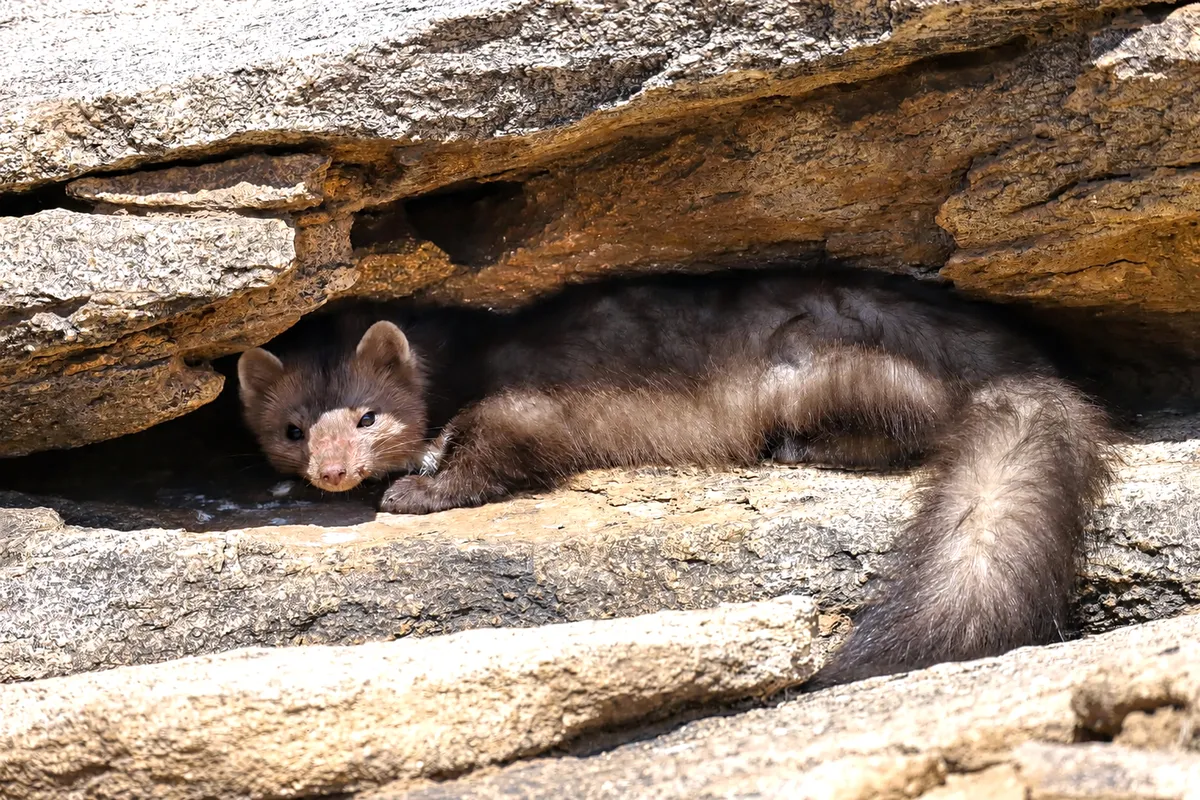
The main focus remains argali and ibex, while also watching for raptors and other animals of the dry steppe. Where possible, we will meet members of the local conservation or research team and learn about their work in the reserve.
Day 4
Wildlife and Rock Art
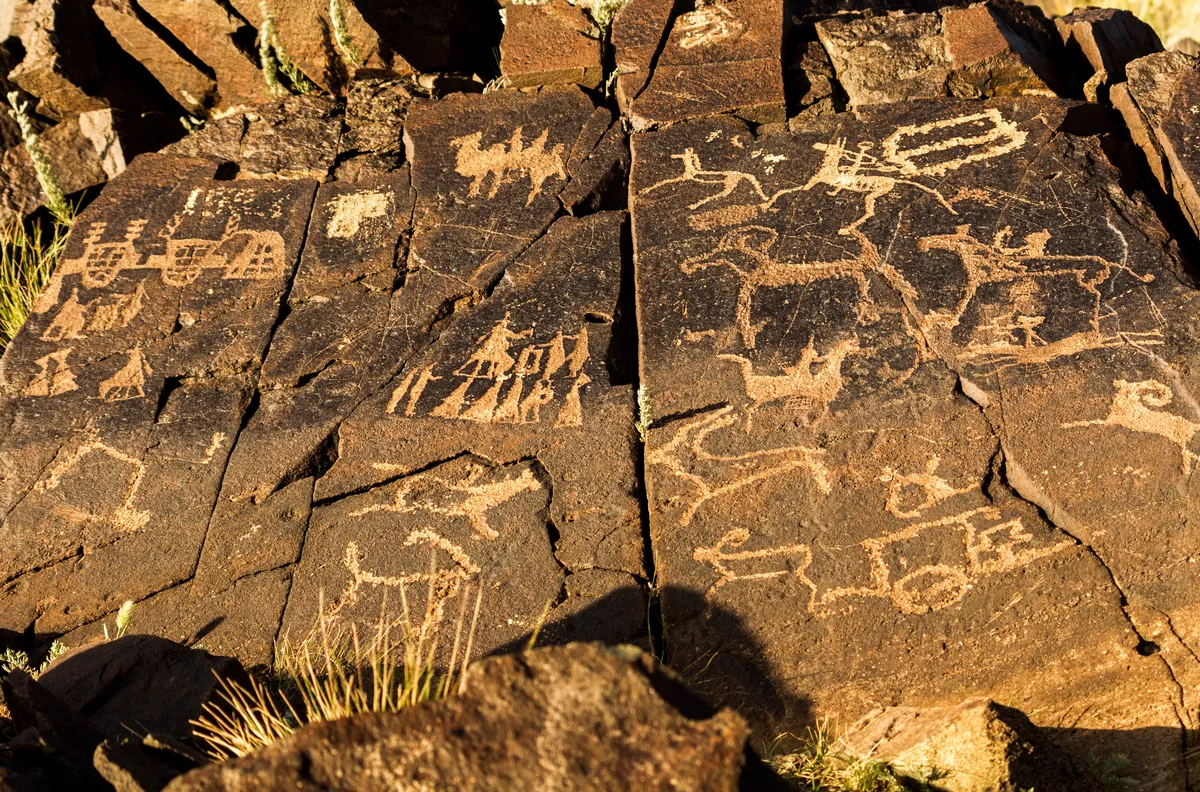
Begin with another early wildlife observation. Later in the day, visit some of Ikh Nart’s archaeological sites, including ancient petroglyphs, burial sites and temple ruins.
There will still be time to explore the reserve and return to the field for a final evening looking for wildlife.
Day 5
Ikh Nart to Ikh Gazriin Chuluu
Leave Ikh Nart and drive west across the steppe to Ikh Gazriin Chuluu. Much of the route follows unpaved tracks.
After arriving, spend the afternoon walking among the granite formations and exploring some of the valleys and caves. We will also watch for argali, ibex and birds around the rocks before sunset.
Day 6
Return to Ulaanbaatar
Spend the early morning around the granite formations before leaving for Ulaanbaatar. Drive through Mandalgovi and continue north on the paved road, arriving in the capital in the late afternoon or early evening.
Day 1
Ulaanbaatar to Ikh Nart
Leave Ulaanbaatar in the morning and drive south-east to Ikh Nart Nature Reserve. Arrive in the afternoon, settle into camp and head out for a first wildlife observation before sunset.
Day 2
Argali and Ibex
Leave camp early, when wildlife is most active. Spend the day looking for argali and Siberian ibex among the rocky hills and dry valleys of the reserve.
Cinereous vultures, golden eagles, saker falcons, gazelles and marmots may also be seen. Lunch is taken in the field, with another observation session later in the afternoon.
Day 3
Ikh Nart Wildlife
Explore another part of the reserve with a local guide. The route will depend on recent wildlife sightings and conditions in the field.
The main focus remains argali and ibex, while also watching for raptors and other animals of the dry steppe. Where possible, we will meet members of the local conservation or research team and learn about their work in the reserve.
Day 4
Rock Art, then back to Ulaanbaatar
Spend the morning at some of Ikh Nart’s archaeological sites, including ancient petroglyphs, burial sites and temple ruins, with a last look for wildlife on the way.
Leave the reserve after lunch and drive north to Ulaanbaatar, arriving in the late afternoon or early evening.
Your expedition
What is included :
Included
- All ground transport in Mongolia, using our own vehicles and drivers, with fuel included
- All accommodation listed in the itinerary
- All meals and drinking water throughout the expedition
- Your expedition guide, together with the local rangers, trackers and spotters who work with us
- All park and reserve entry fees and permits
- Airport transfers in Ulaanbaatar on the scheduled arrival and departure days
- All camping and cooking equipment required by the itinerary
Not included
- International flights to and from Ulaanbaatar
- Optional domestic flights offered instead of an overland journey
- Travel insurance, which is required and must cover medical evacuation
- Visa fees, where applicable
- Alcoholic drinks and personal expenses
- Optional activities or services not listed in the itinerary
Key species
Wildlife to look for on this expedition
Regular
ArgaliOvis ammonRegular 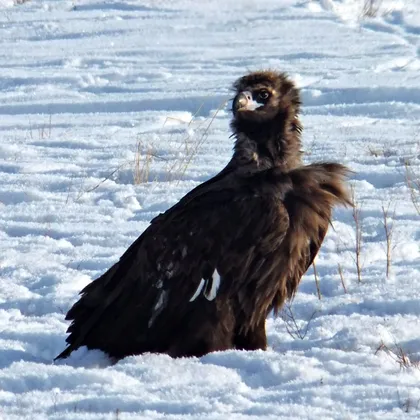
Cinereous vultureAegypius monachusRegular 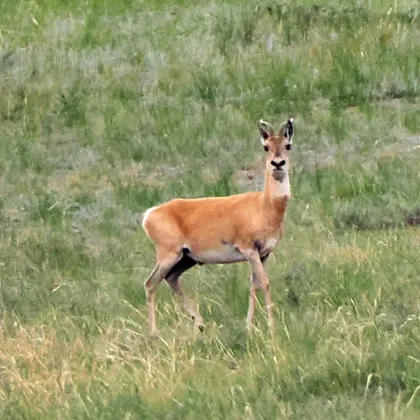
Mongolian gazelleProcapra gutturosaRegular 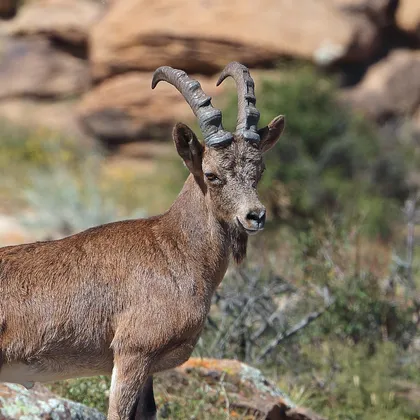
Siberian ibexCapra sibiricaRegular
Occasional
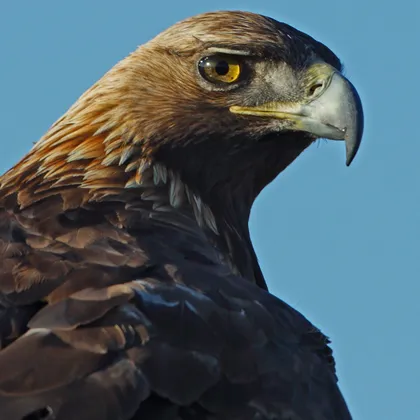
Golden eagleAquila chrysaetosOccasional 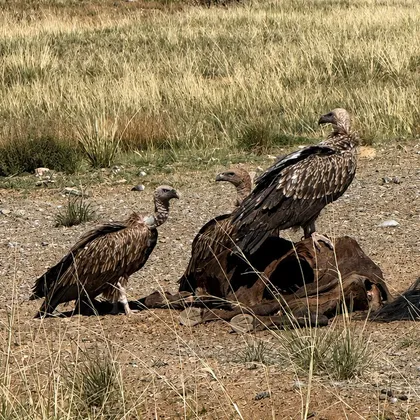
Himalayan vultureGyps himalayensisOccasional
Rare
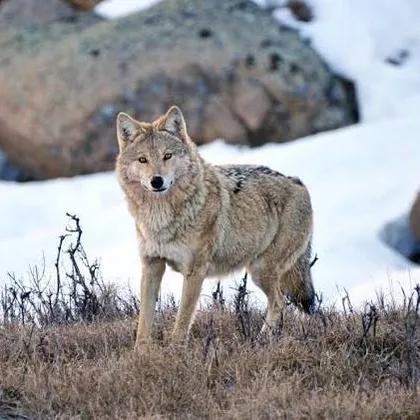
Grey wolfCanis lupusRare 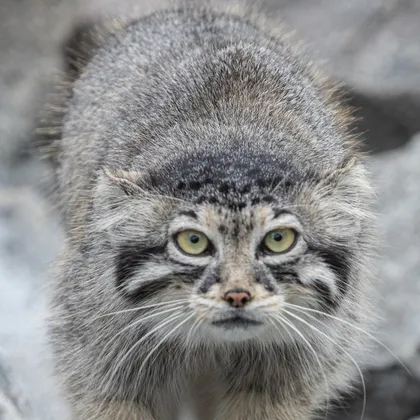
Pallas's catOtocolobus manulRare 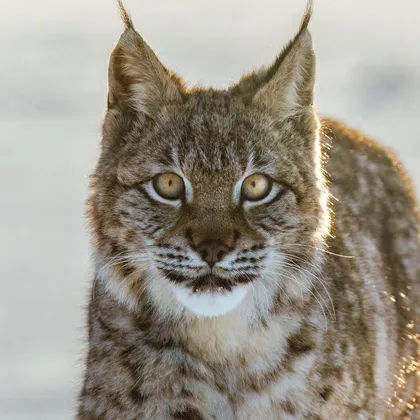
Eurasian lynxLynx lynxRare
Other species you may see
- Corsac Fox — mostly early morning and evening
- Red Fox
- Tolai Hare
- Pallas’s Pika
- Siberian Marmot
- Lesser Kestrel
- Golden Eagle
- Common Kestrel
- Daurian Partridge
Before you book
The realities of this expedition
Summer in Ikh Nart is hot and exposed, with simple facilities and days planned around the wildlife. We want you to know what to expect before you decide.
- July : daytime temperatures are often between +25°C and +35°C, with very little shade.
- Field days begin early, slow down during the hottest hours and continue into the evening.
- Wildlife observation involves short walks over loose granite and uneven ground.
- The night at Ikh Gazriin Chuluu is spent camping, with basic facilities.
- Rain and strong winds can affect the tracks and change the day’s plans.
Before you book
The realities of this expedition
Winter in Ikh Nart is cold, dry and exposed, with simple facilities and long periods spent outdoors. We want you to know what to expect before you decide.
- Daytime temperatures are often between –15°C and –5°C, with nights falling below –20°C.
- Short walks can involve loose rock, snow and ice.
- Running water and showers may be unavailable in freezing conditions.
How we watch
Watching without disturbing
We keep our distance, never bait or call animals, and do not use drones. In the field, we follow the guidance of the local rangers and researchers working with us. Every traveller is briefed before the expedition.
Sightings are never guaranteed. The welfare of the animal always comes before the photograph.
Travellers
What travellers said afterwards
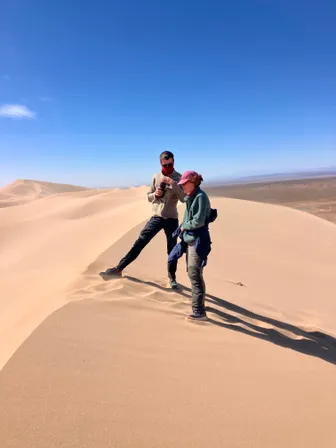
PierrickIkh Nart Expedition
What an adventure we were able to live and share with Arthur! First, he was very responsive when we were gathering information, and available for all our questions. Then, during the expedition, Arthur gave us as much information as he could about the region, the wildlife and the plants 👌 The organisation was excellent too and we wanted for nothing! The expedition really was perfectly suited to our needs 🔥 Thank you again Arthur for your professionalism, and for letting us discover this region 🙏
Translated from French
Ask us anything about this trip
Dates, fitness, cold, cameras, or what happens if the weather closes in. We answer these ourselves.