Expedition
Tsaatan, Reindeer Herders of the Taiga
Khövsgöl taiga, northern Mongolia
- Length
- 9 days
- Months
- June to September
- December to March
- Temperature
- 10 °C to 25 °C, and it rains
- −20 °C to −40 °C, and it is dry
- Group
- 2 to 6 travellers
This expedition runs in both seasons
Overview
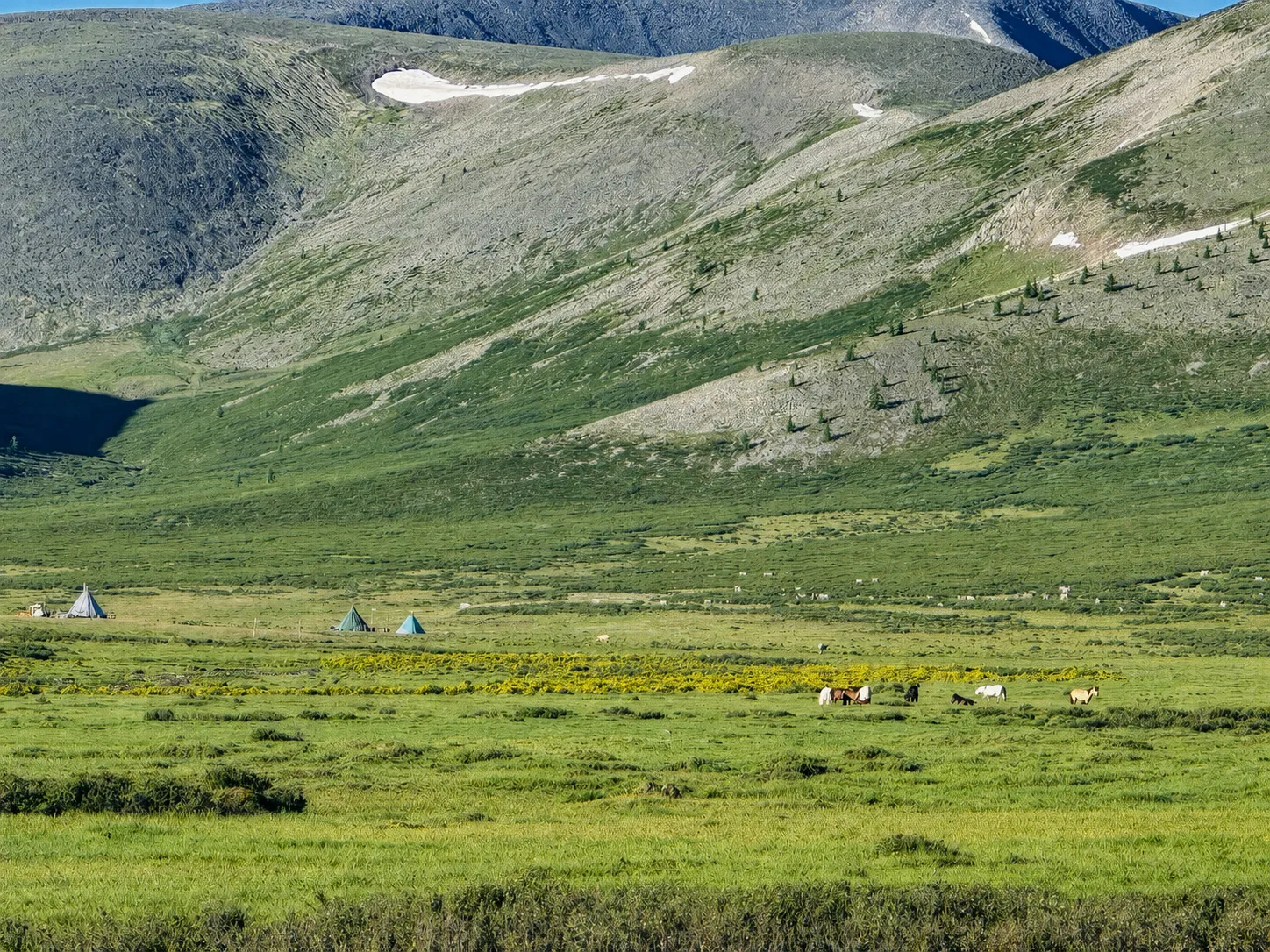
A nine-day journey into northern Mongolia to stay with Tsaatan reindeer-herding families in the Ulaan Taiga. In the summer, the families are at their high pasture, above the tree line and beyond the mountains.
After travelling through Amarbayasgalant, Mörön and Ulaan-Uul, we continue by four-wheel drive and on horseback to the families’ summer camp. We spend three nights there, learning about their daily life, their reindeer and the way they move between seasonal camps.
One day is spent exploring farther into the mountains for wildlife. Moose, musk deer, ibex, bears and wolves live in the area, although sightings are never expected.
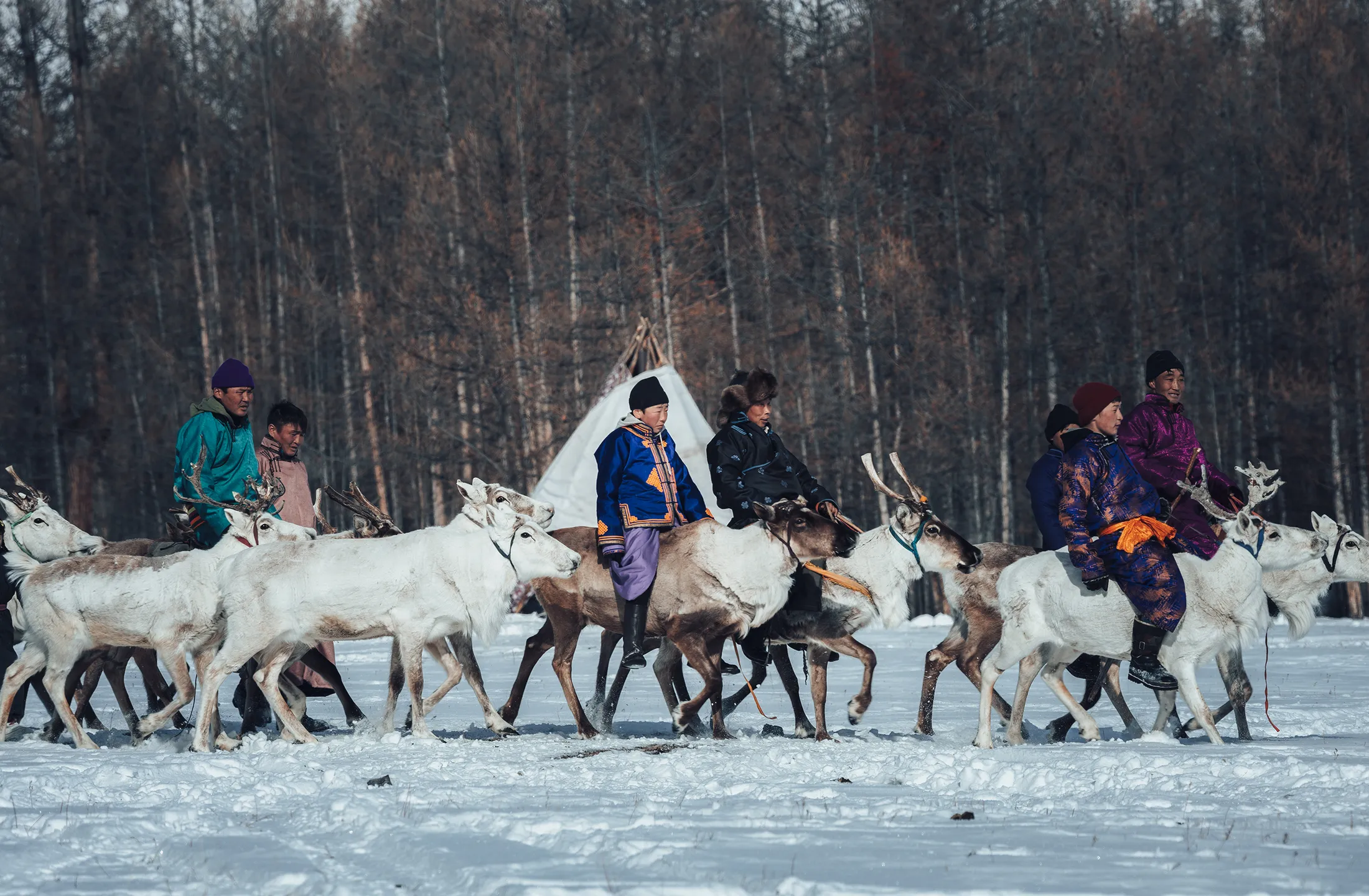
A winter journey into northern Mongolia, travelling through Mörön and Tsagaannuur before continuing by four-wheel drive and horseback into the East Taiga. We stay with Tsaatan reindeer-herding families in their winter camp, spending time around the herd and learning how daily life continues through the coldest months.
Snow covers the forests and valleys, and the reindeer remain closer to camp than during summer. Tracks may reveal the presence of moose, roe deer, wolves, wolverines and other northern wildlife, although direct sightings remain difficult.
This is a cold and remote journey, with simple accommodation and days shaped by the weather. The families move with their reindeer, so the location of the camp and the journey needed to reach it may change.
EquipmentWhat we provide, and what you need to bring
Summer departures
Summer weather in the Ulaan Taiga is cool and changeable. The horse trail may cross wet ground and rivers, while nights can be close to freezing. Pack lightly, as the main luggage will be carried by packhorses.
Provided by Artus Expeditions
- Saddles and riding helmets
- Sleeping bags suitable for cold summer nights
- Insulated sleeping mats
- Waterproof bags for luggage carried by packhorses
- Drinking water and water purification
- A group first-aid kit and emergency communication device
You will need to bring
- Thermal base layers and a warm fleece or light down jacket
- A waterproof jacket and waterproof trousers
- Quick-drying trousers suitable for riding
- Broken-in waterproof boots with ankle support
- A warm hat, light gloves and several pairs of warm socks
- Sunglasses, sunscreen, insect repellent and a mosquito head net
- A small daypack, headlamp and reusable water bottle
- Personal medication, toiletries, hand sanitiser and wet wipes
- A soft-sided duffel bag or backpack for the packhorses
For photographers
- Camera and telephoto lens
- A waterproof cover or dry bag for your equipment
- Spare batteries, power banks and memory cards
- A lightweight tripod or monopod
Optional but useful
- Riding gloves
- Gaiters or lightweight rubber boots for very wet ground
- Trekking poles
- Binoculars
- A personal sleeping-bag liner
Charging facilities are limited or unavailable during the three nights in the taiga. Hard-shell suitcases cannot be carried by the packhorses.
EquipmentWhat we provide, and what you need to bring
Winter departures
Winter in northern Mongolia can be extremely cold, with temperatures sometimes falling below −30 °C and occasionally reaching −40 °C. We will check your equipment with you before departure.
Provided by Artus Expeditions
- Winter sleeping bag suitable for very low temperatures
- Insulated sleeping mat and extra blankets
- All accommodation, meals and drinking water
- Transport by 4×4 and any horses required for the journey
- Group first-aid kit and emergency communication equipment
- Spotting scope for wildlife observation
You will need to bring
Clothing
- Two sets of merino wool or synthetic thermal base layers
- Warm fleece or wool mid-layers
- Heavy down parka
- Insulated winter trousers
- Windproof outer jacket and trousers
- Warm clothes for evenings and sleeping
Avoid cotton for your main outdoor layers, as it stays cold when damp.
Boots and cold-weather accessories
- Insulated winter boots rated for at least −30 °C, preferably with removable liners
- Three or four pairs of thick wool socks
- Thin liner gloves
- Warm insulated mittens
- Warm hat covering the ears
- Balaclava or face covering
- Neck warmer or buff
- Sunglasses and ski goggles for wind and snow
Personal equipment
- Soft duffel bag rather than a hard suitcase
- Small daypack
- Head torch and spare batteries
- Insulated water bottle or thermos
- High-capacity power bank
- Spare camera batteries and memory cards
- Mongolian plug adapter if required
- Sunscreen and protective lip balm
- Personal medication and basic toiletries
- Quick-drying towel and wet wipes
Optional but useful
- Binoculars
- Camera equipment
- Disposable hand and foot warmers
- Waterproof bags for electronics and clothing
- Lightweight indoor shoes or slippers
- Sleeping-bag liner
Cold drains batteries quickly, so keep phones, power banks and camera batteries close to your body whenever possible. Space in the vehicles and around the Tsaatan camp is limited, so luggage should remain practical and compact.
Where it goes
Natural Earth; Khövsgöl protected areas traced from the UTSPA map. Other areas shown at true area, not surveyed boundaries.
Where it goes
Natural Earth; Khövsgöl protected areas traced from the UTSPA map. Other areas shown at true area, not surveyed boundaries.
Protected area
Ulaan Taiga Strictly Protected Area
4,300 km²— nearly three times the area of Greater London
A remote landscape of taiga forest, mountains and summer grazing grounds near the Siberian border. Tsaatan families still move through it seasonally with their reindeer, changing camp as the herds move between different pastures. The area is shaped as much by this pastoral life as by the forests and mountains themselves.
Your local guide on this expedition
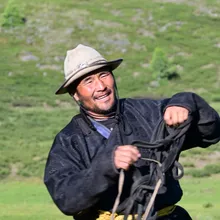
Tsendsuren Shukhert
Local Guide
Born and raised in the Darkhad Valley, Shukhert knows the region from a lifetime spent travelling through it. He is an exceptional horseman and horse trainer, and was the subject of Hamid Sardar’s documentary Le Cavalier mongol. He guides our journeys into the taiga and helps travellers discover the land, its people and their way of life.
Day by day
The itinerary
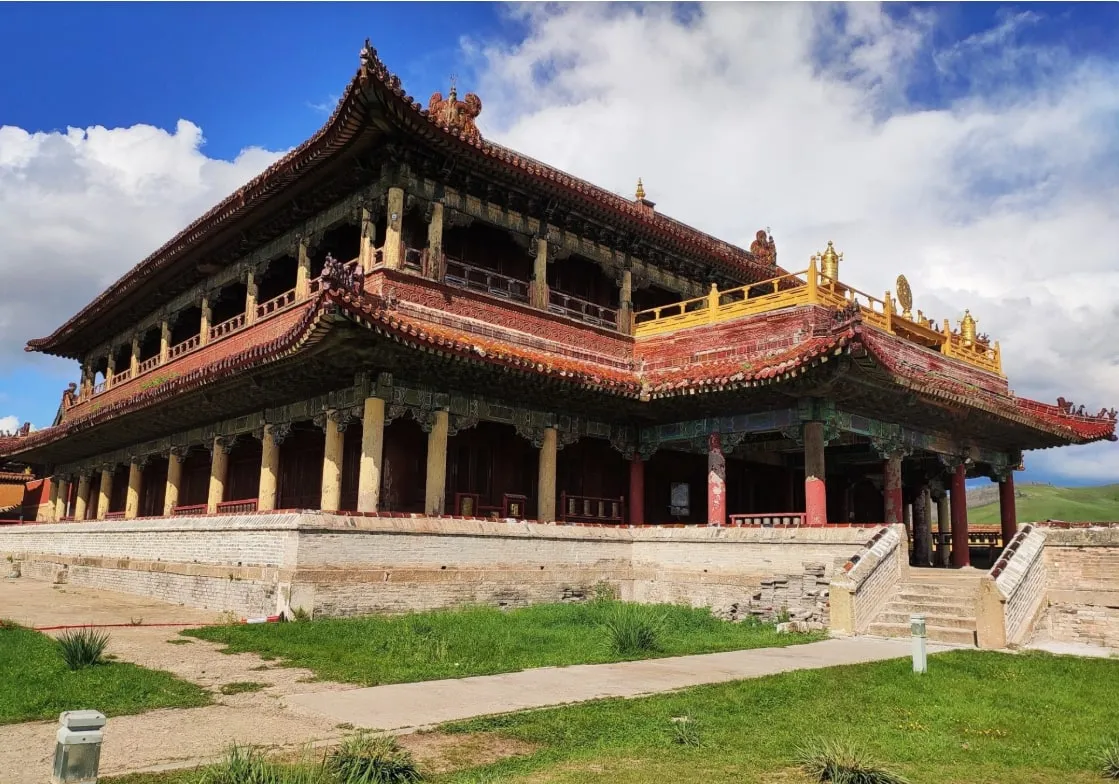
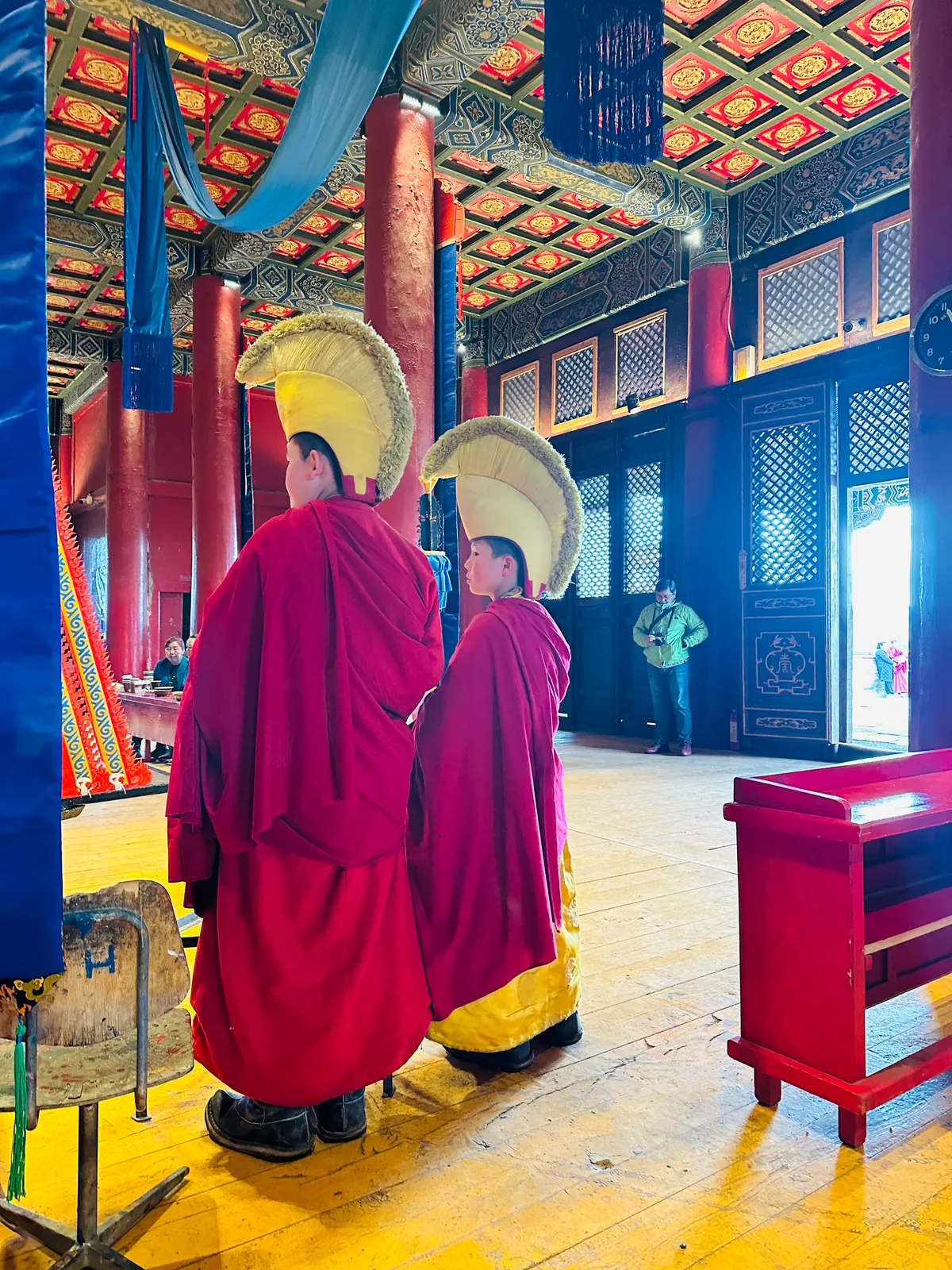
Day 1
Ulaanbaatar to Amarbayasgalant
Leave Ulaanbaatar in the morning and travel north to Amarbayasgalant Monastery. Arrive during the afternoon and visit the monastery, one of the largest surviving Buddhist complexes in Mongolia, before settling into the camp nearby.
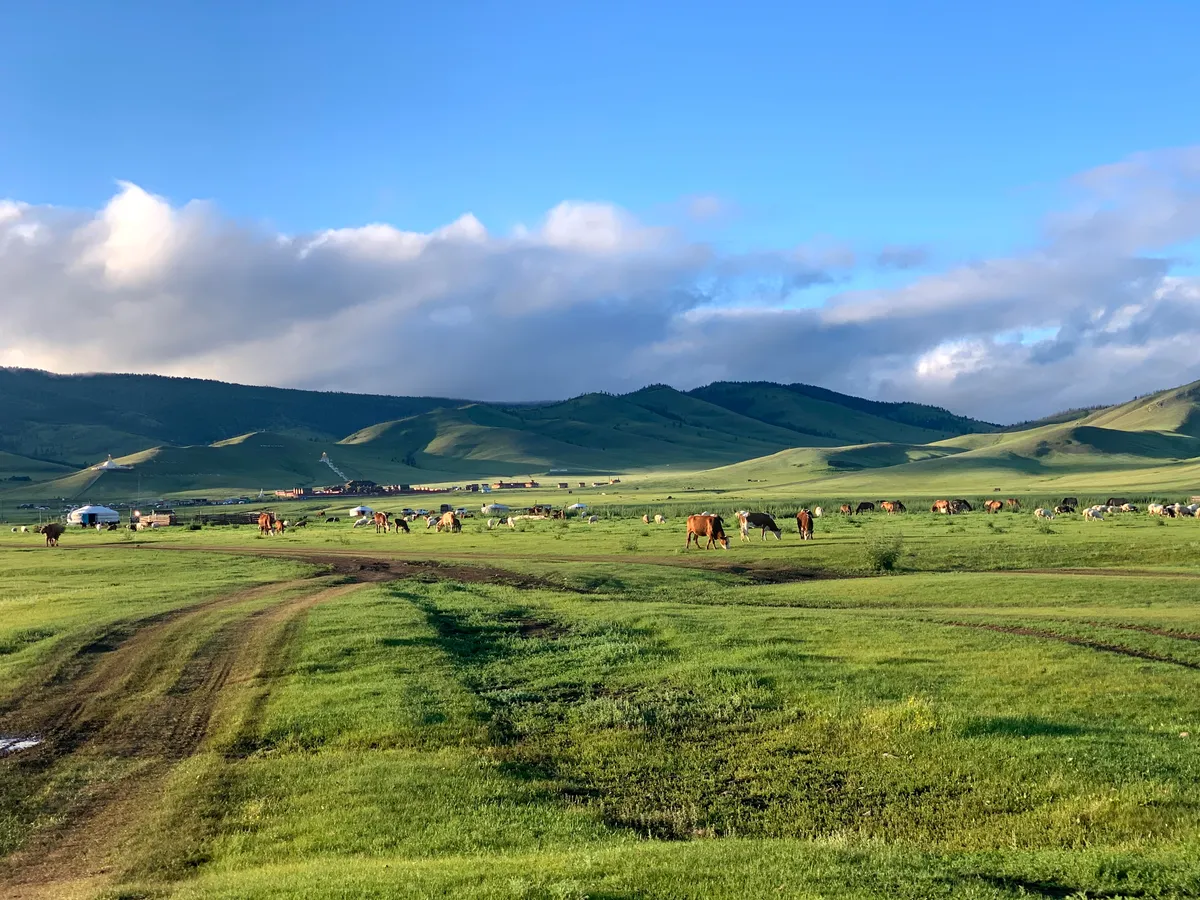
Day 2
Amarbayasgalant to Mörön
Continue west through Selenge and Bulgan provinces towards Mörön, the main town of Khövsgöl Province. This is a long travelling day, with stops along the way for meals and photographs.
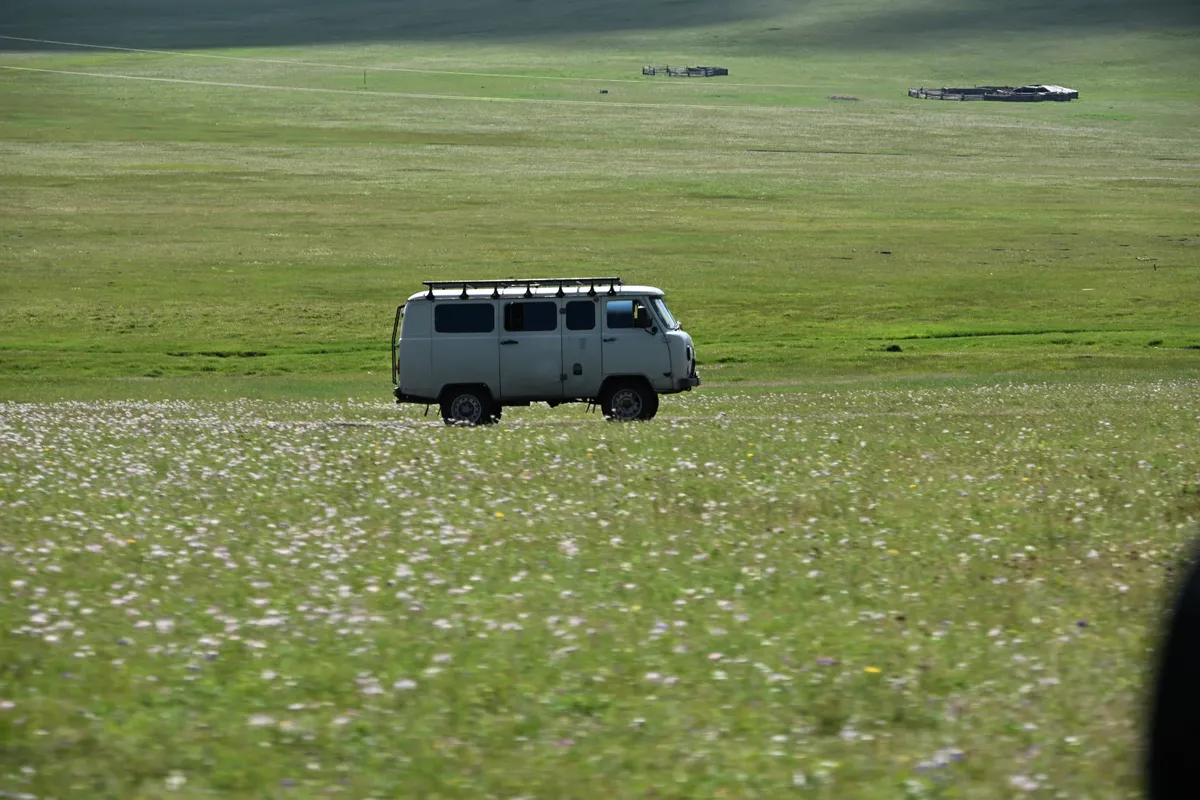

Day 3
Mörön to Ulaan-Uul
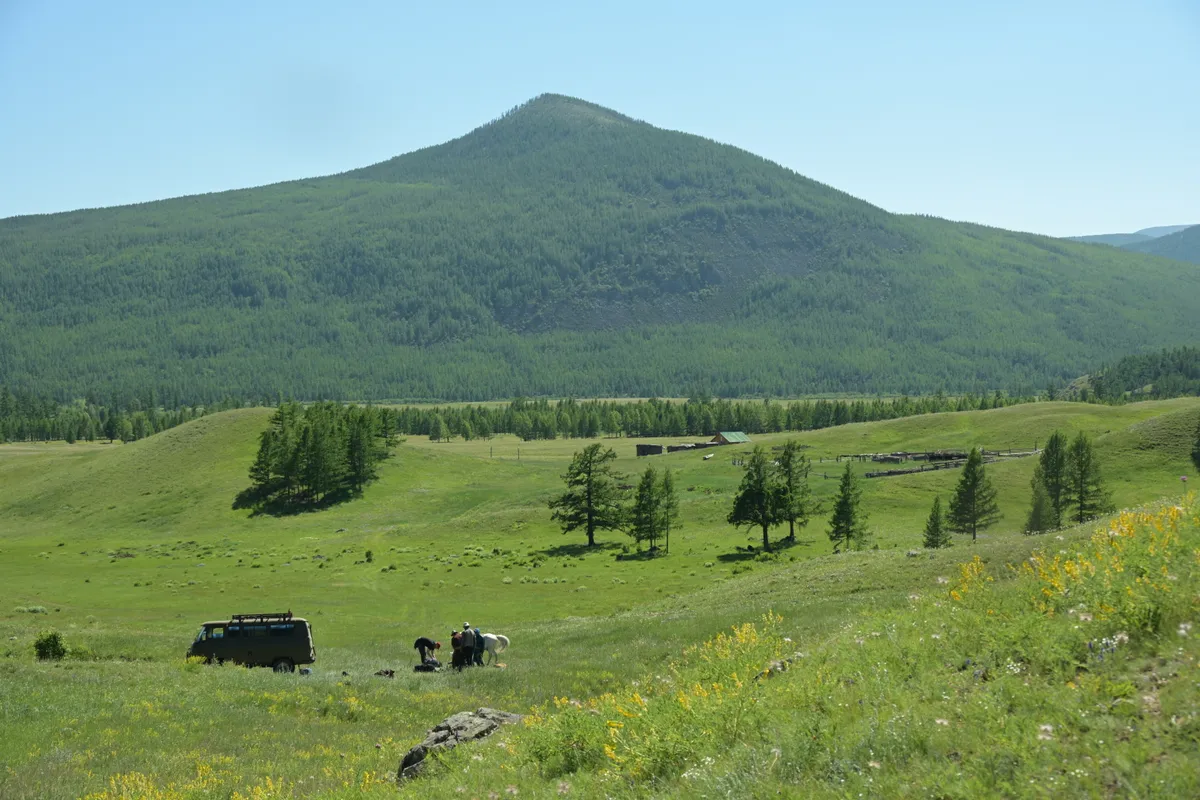
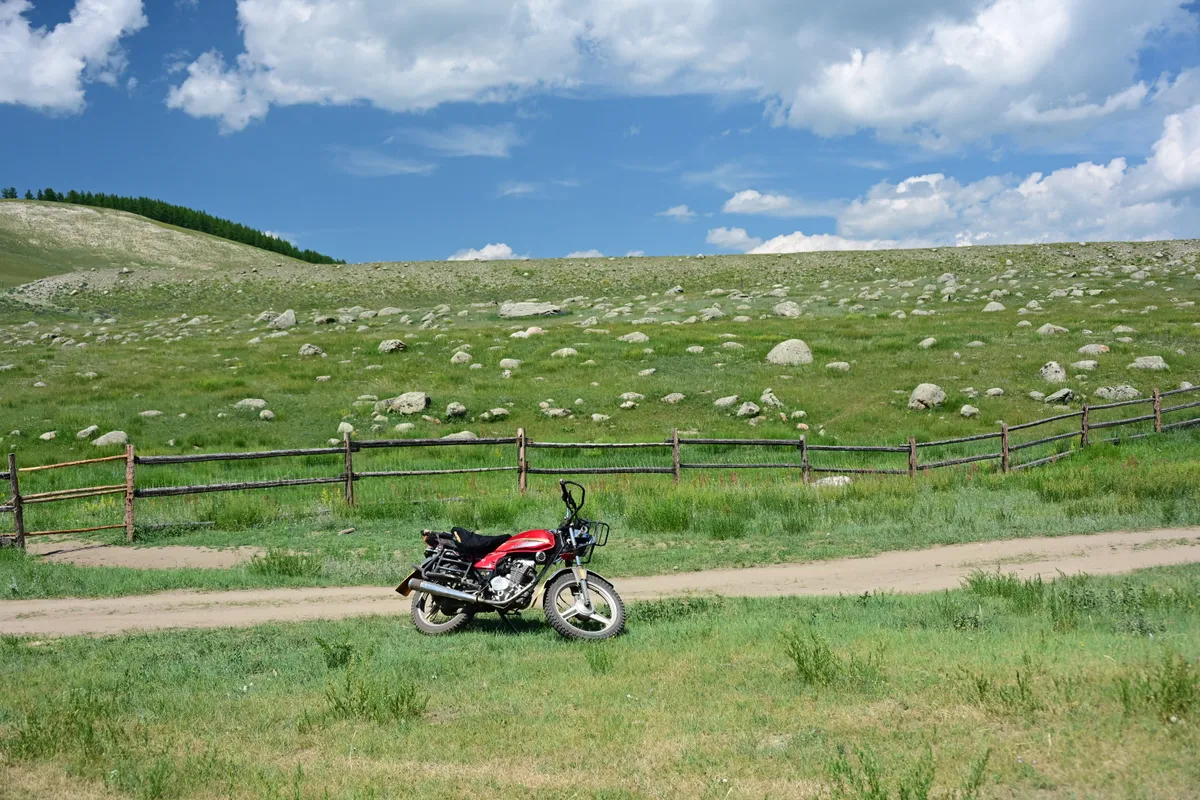
Leave the paved road behind and travel north-west into the Darkhad Valleys. The route crosses valleys, rivers and mountain passes before reaching Ulaan-Uul.
Continue to the camp of a local herding family near the village. Meet your hosts and spend the rest of the day learning about their daily life, livestock and seasonal movements in this remote part of northern Mongolia.
Day 4
Into the Ulaan Taiga
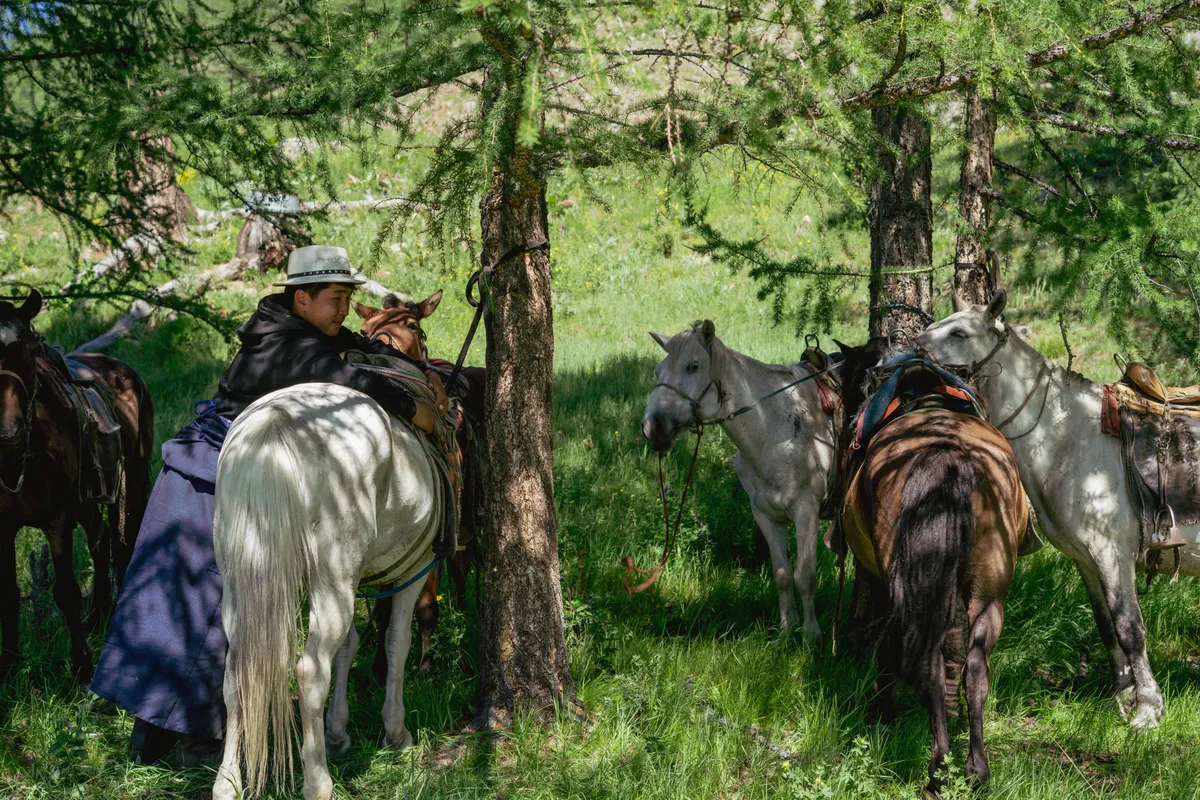
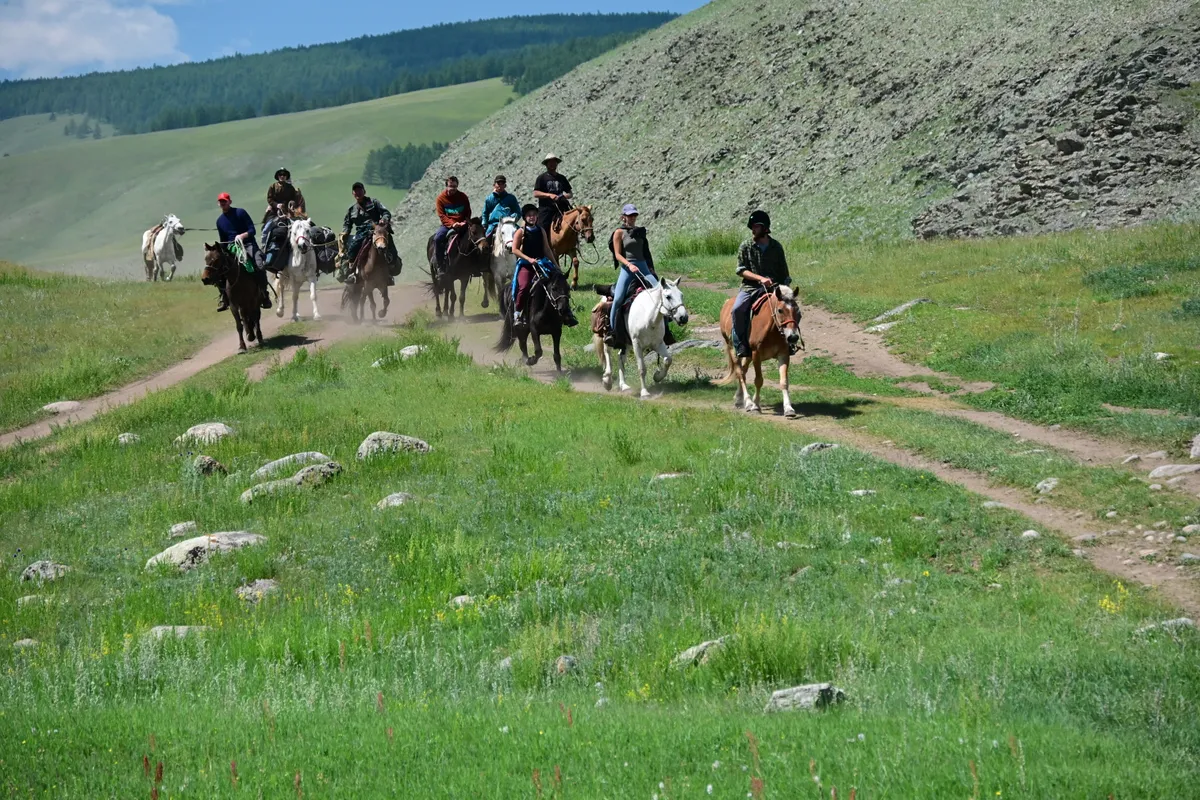
Drive from Ulaan-Uul towards the Ulaan Taiga Strictly Protected Area. At the end of the vehicle track, meet the local horsemen, load the equipment onto packhorses and begin the journey into the mountains.
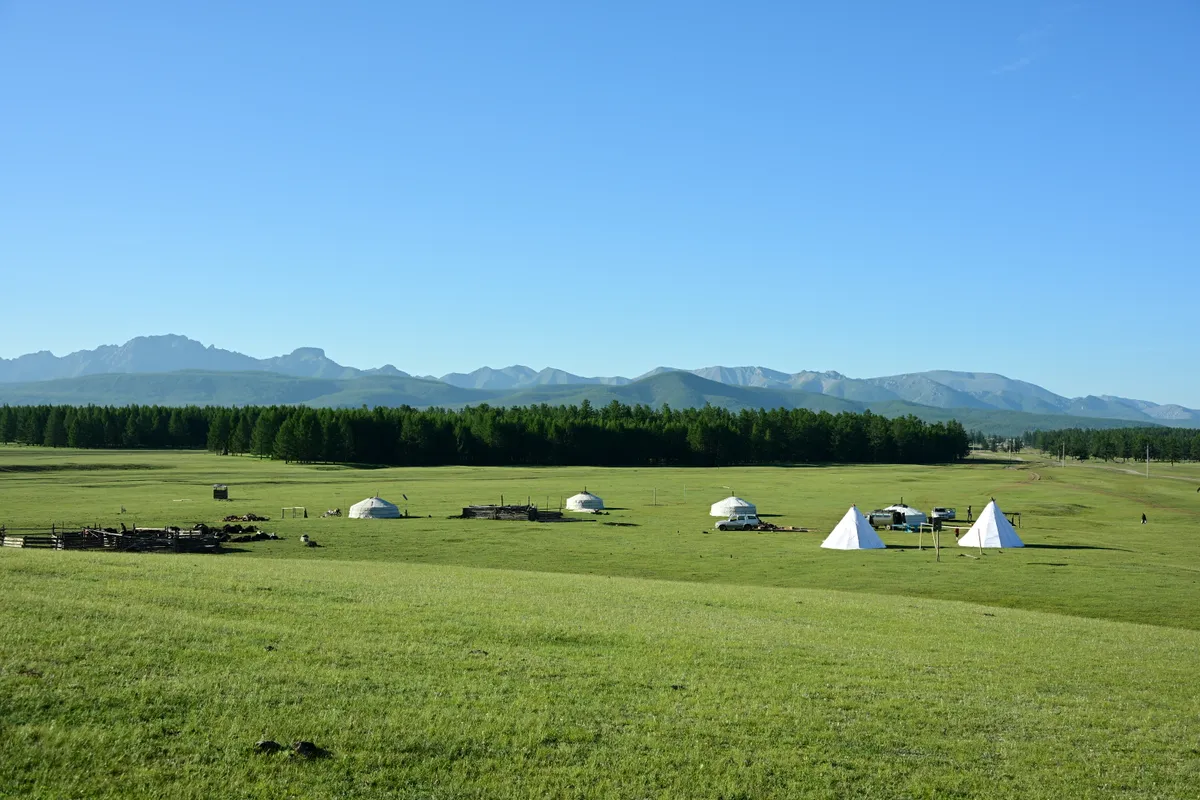
The ride follows forest trails and open valleys, with river crossings and sections of wet or uneven ground. Reach the seasonal camp of the Tsaatan where you will spend the next three nights.
Day 5
With the Tsaatan families
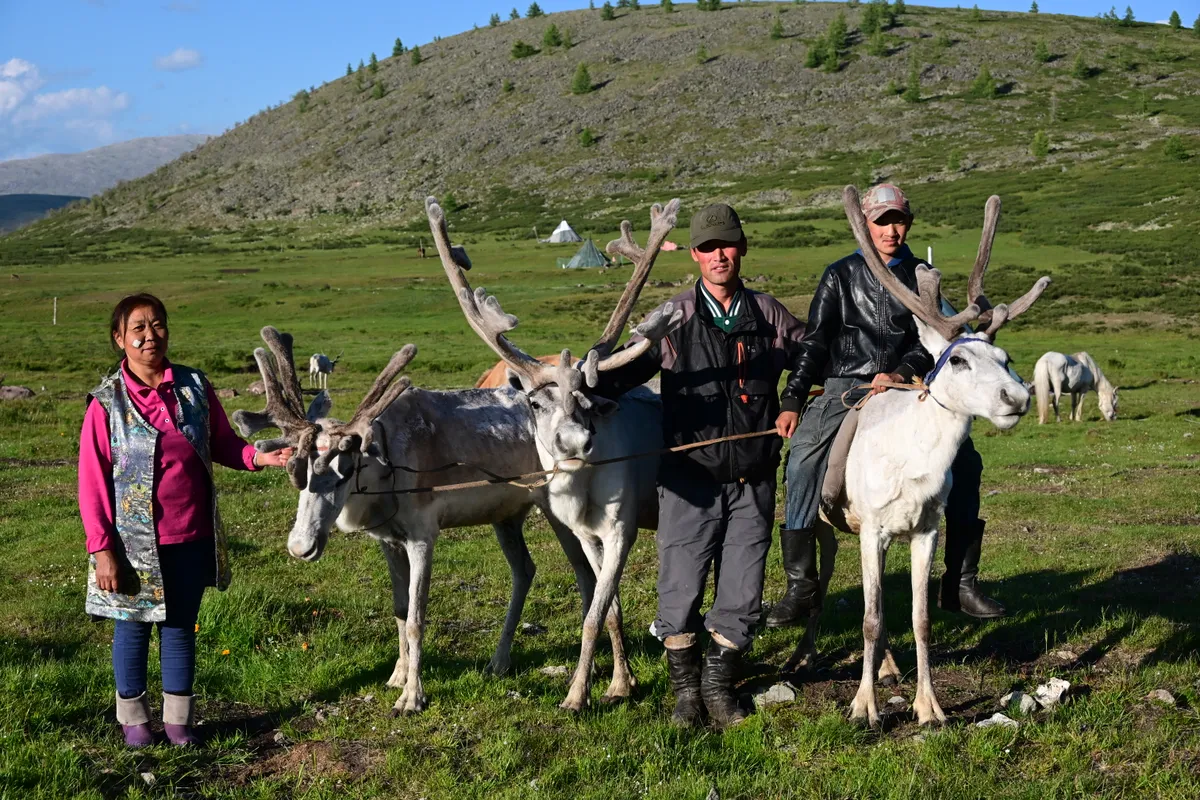
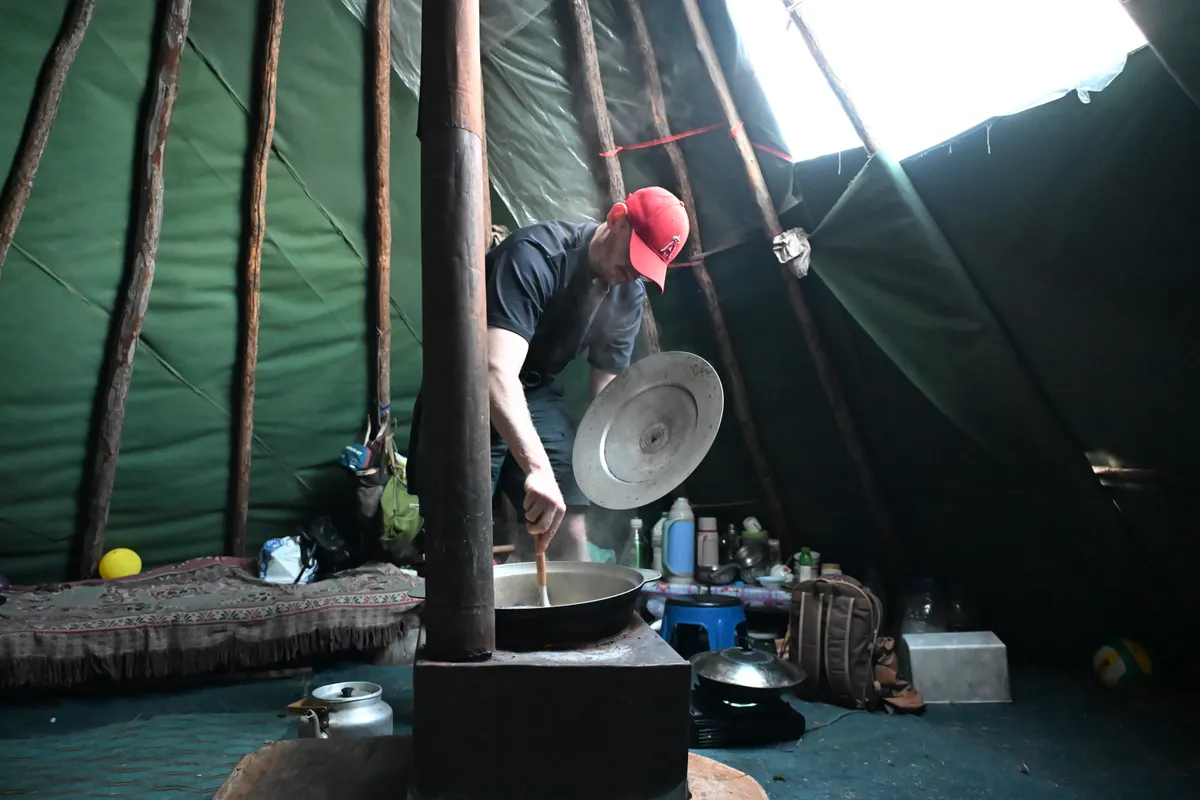
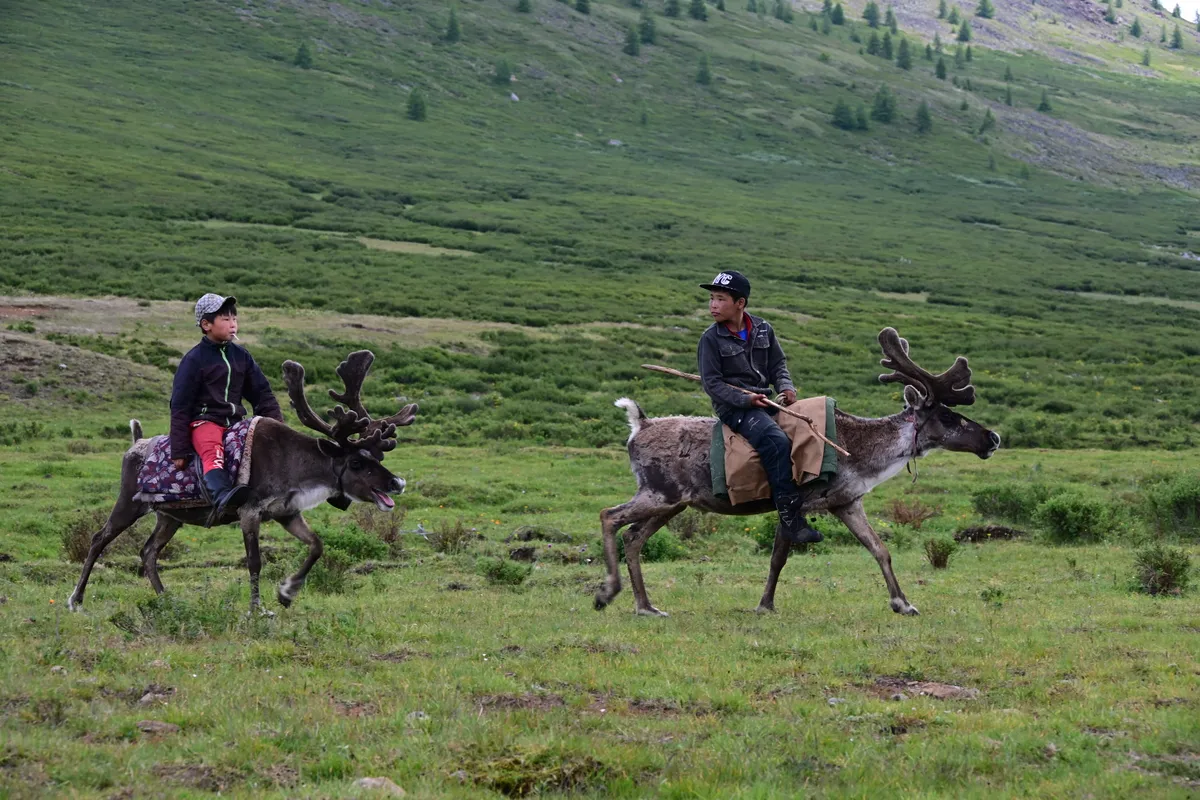
Spend the day with the families and their reindeer. Learn how the animals are cared for, how the camp moves between seasonal pastures and how life in the taiga changes throughout the year.
The programme remains informal and follows the rhythm of the camp. There may be opportunities to accompany the herders, photograph the reindeer and explore the surrounding forest and valleys.
Day 6
Wildlife of the Ulaan Taiga
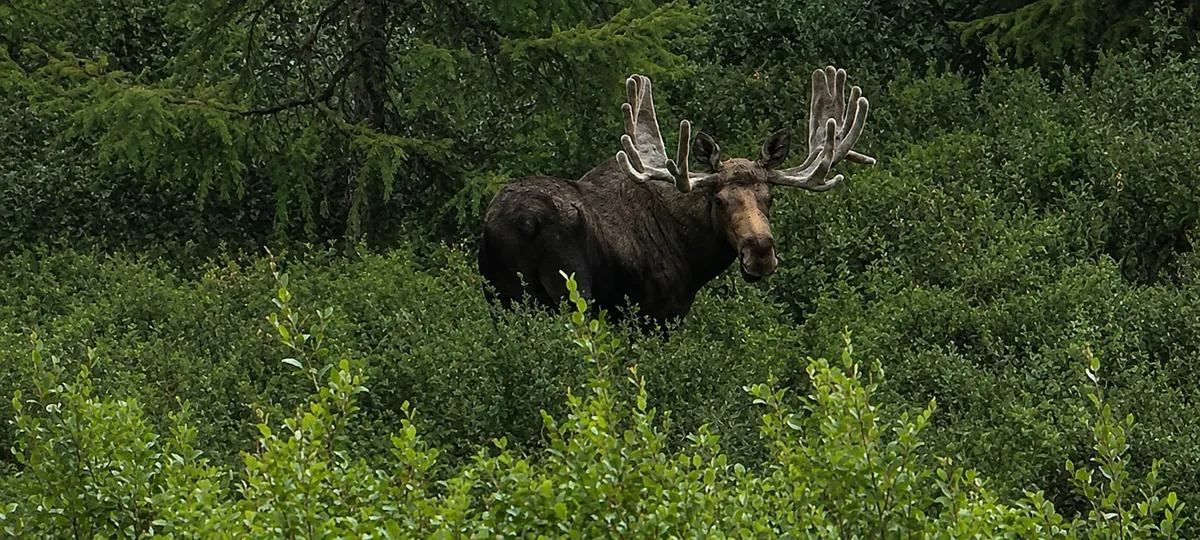
Travel farther into the mountains on horseback and on foot. Explore high valleys, forest edges and open slopes while looking for wildlife and signs of animal movement.
Moose, musk deer, roe deer, ibex, brown bears, wolves and wolverines are all present in the protected landscape. They remain difficult to find and direct sightings are never expected. Tracks, feeding signs and distant observations are more likely than close encounters.
Return to the Tsaatan camp later in the day.
Day 7
Tsaatan camp to Ulaan-Uul
Say goodbye to the families and begin the ride back across the mountains. Meet the vehicles at the edge of the taiga and continue to Ulaan-Uul, arriving later in the day.
Day 8
Ulaan-Uul to Mörön
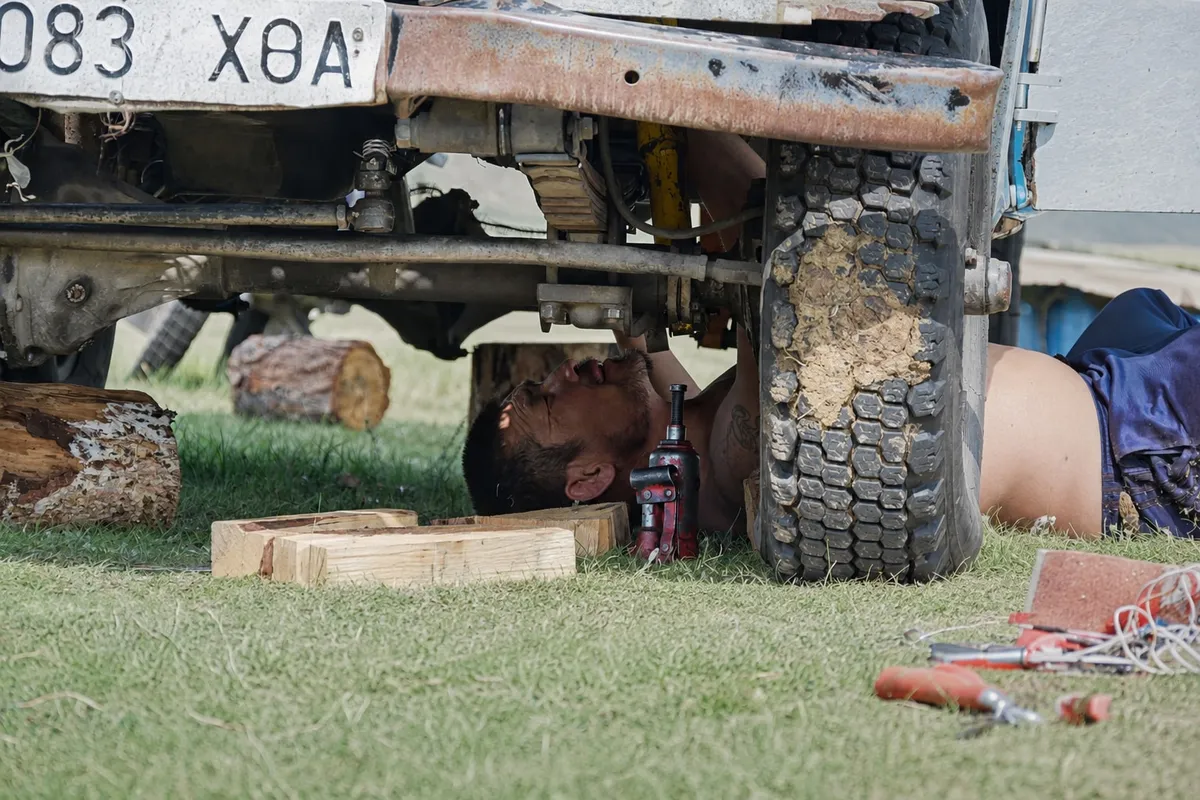
Drive south through the Darkhad Valleys and return to Mörön. Depending on the road conditions and arrival time, stop at the Uushigiin Uvur Deer Stones, a group of Bronze Age monuments outside the town.
Day 9
Mörön to Ulaanbaatar
Leave Mörön early and follow the paved road back to Ulaanbaatar. Stops will be made for meals and short breaks, with arrival in the capital expected during the evening.
Day 1
Ulaanbaatar to Amarbayasgalant
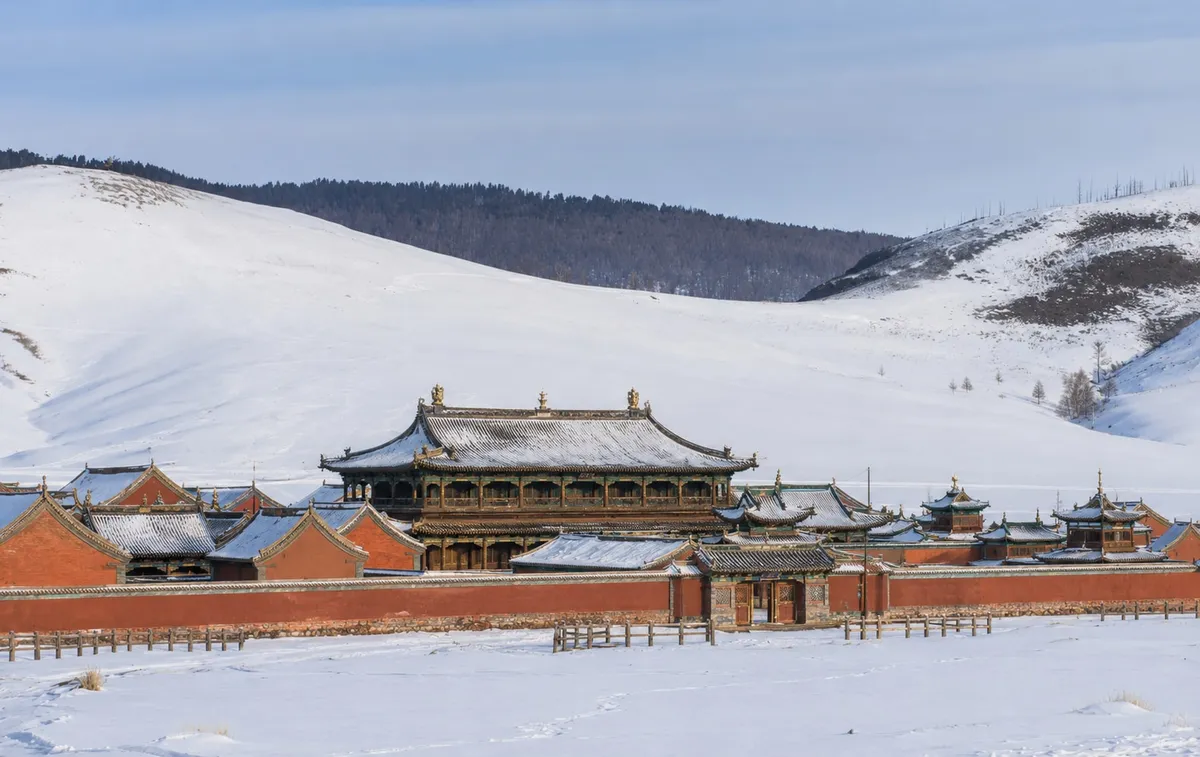
Leave Ulaanbaatar in the morning and drive north to Amarbayasgalant Monastery. Visit the monastery during the afternoon. With fewer visitors and snow covering the grounds, it feels especially peaceful in winter.
Amarbayasgalant remains an active monastery, and there may be a chance to meet some of the monks if they are available.
Day 2
Amarbayasgalant to Mörön
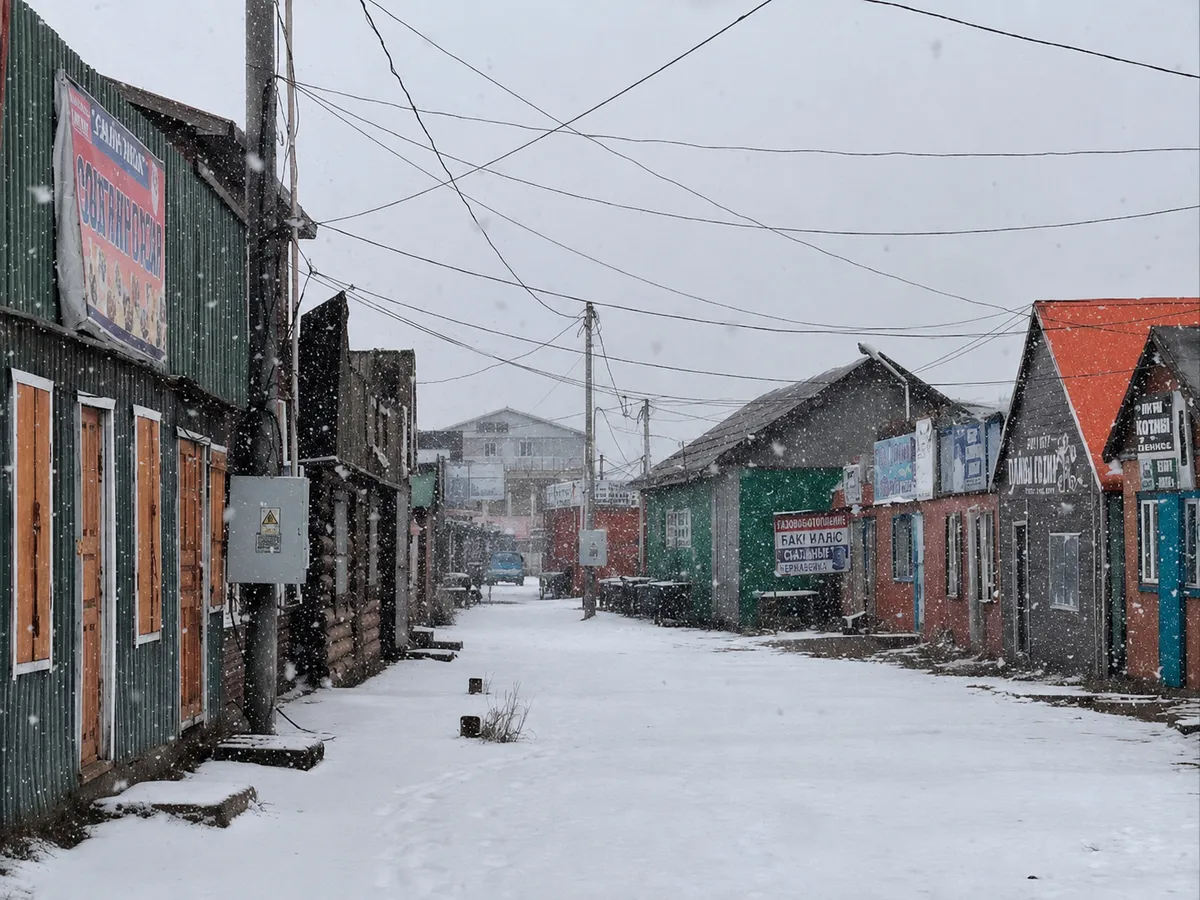
Continue west through Selenge and Bulgan provinces to Mörön, the main town of Khövsgöl Province. Stop along the way for meals and short breaks.
Day 3
Lake Khövsgöl in winter
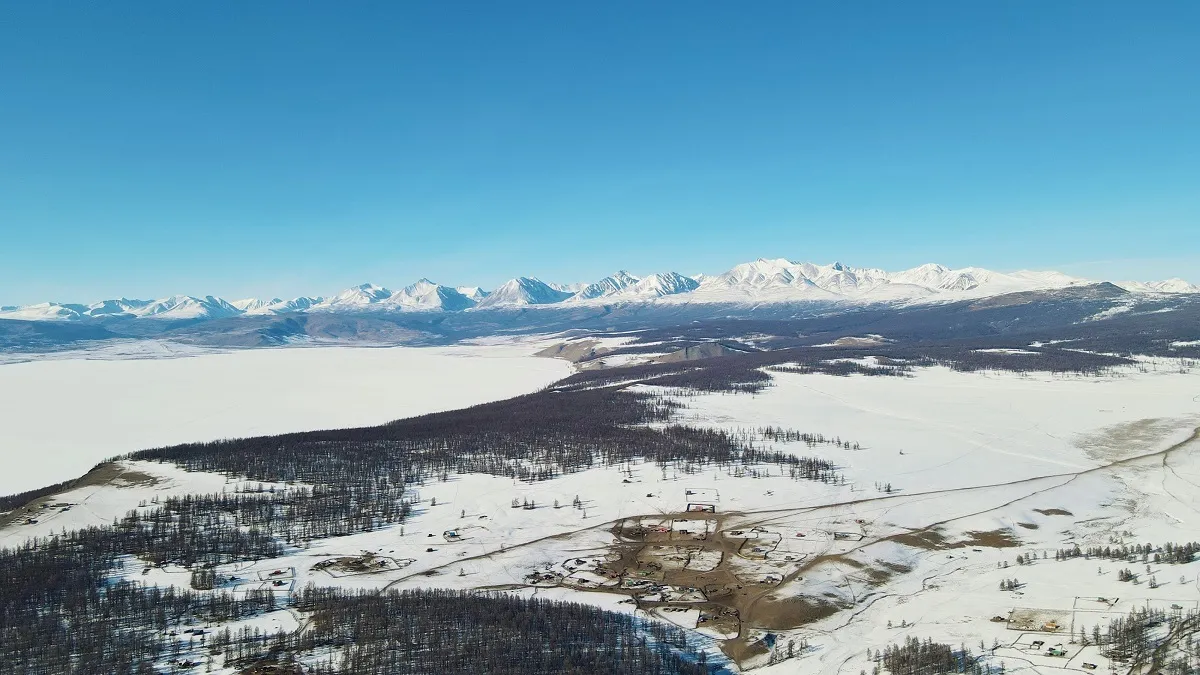
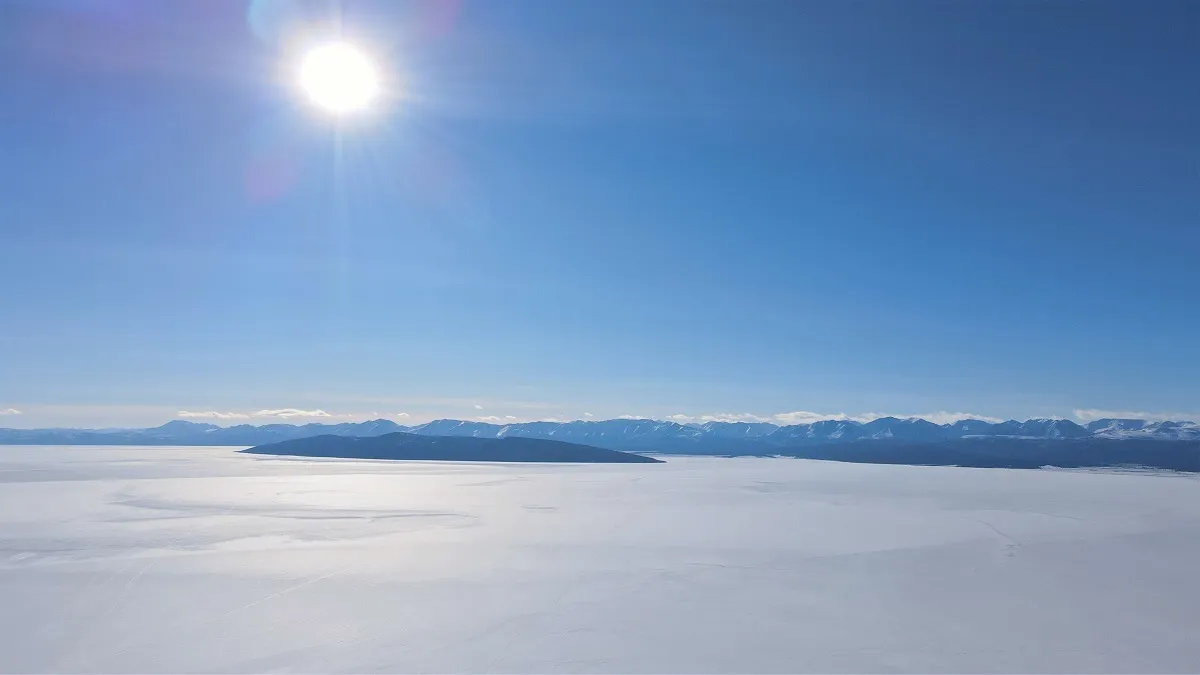
Drive north to Khatgal and spend the day by Lake Khövsgöl. In winter, the mountains are covered in snow and most of the lake is frozen.
Spend time around Khatgal and, if local guides consider the ice safe, travel onto the lake by vehicle or horse-drawn sleigh. The programme will depend on the ice and weather conditions.
Day 4
Khatgal to Tsagaannuur
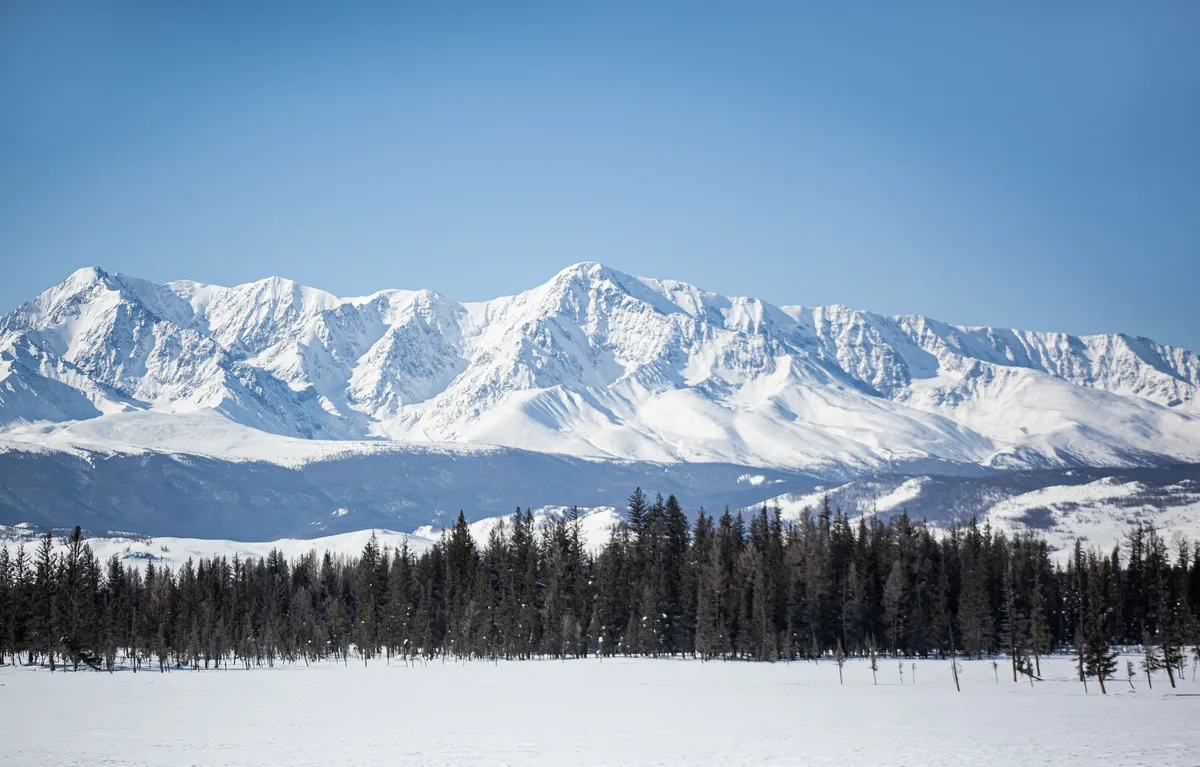
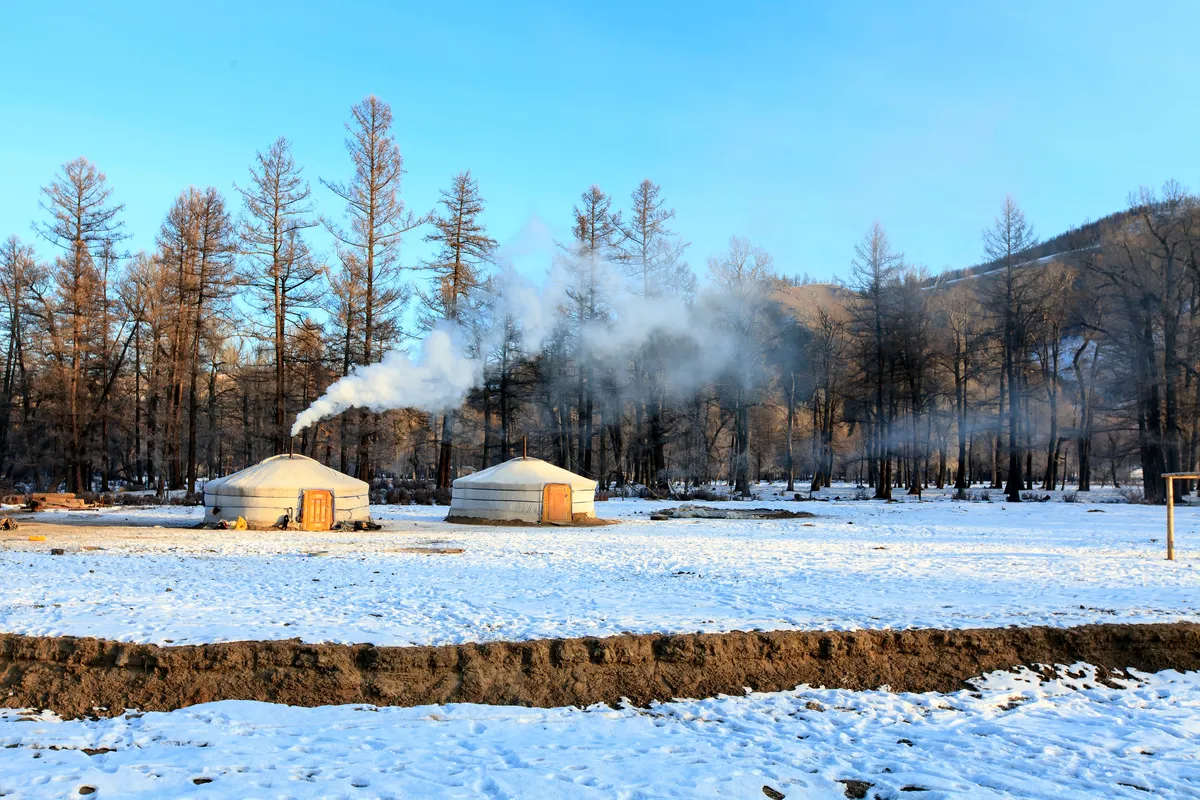
Leave Khatgal and drive west through the Darkhad Valleys. The road passes snowy valleys, forests, frozen rivers and mountain passes before reaching Tsagaannuur.
Meet the local team and check the current location of the Tsaatan families and the best way to reach them.
Day 5
Tsagaannuur to the Tsaatan winter camp
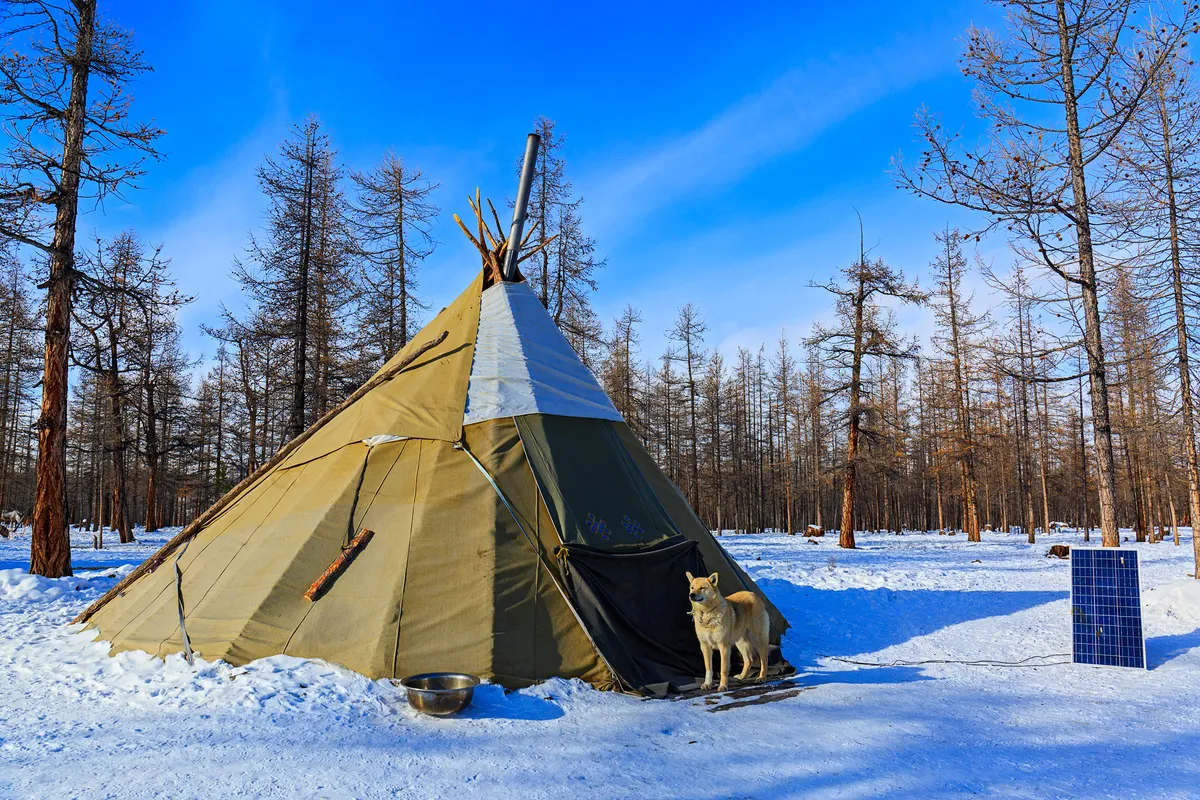
Leave Tsagaannuur with a local driver and head towards the families’ winter camp. The camp is usually closer to Tsagaannuur in winter than it is during summer.
We will travel as far as possible by 4WD. Depending on the location of the camp and the snow, the final part may be completed on foot or on horseback.
Meet your hosts and settle into the camp, where you will spend the next three nights.
Day 6
With the Tsaatan families
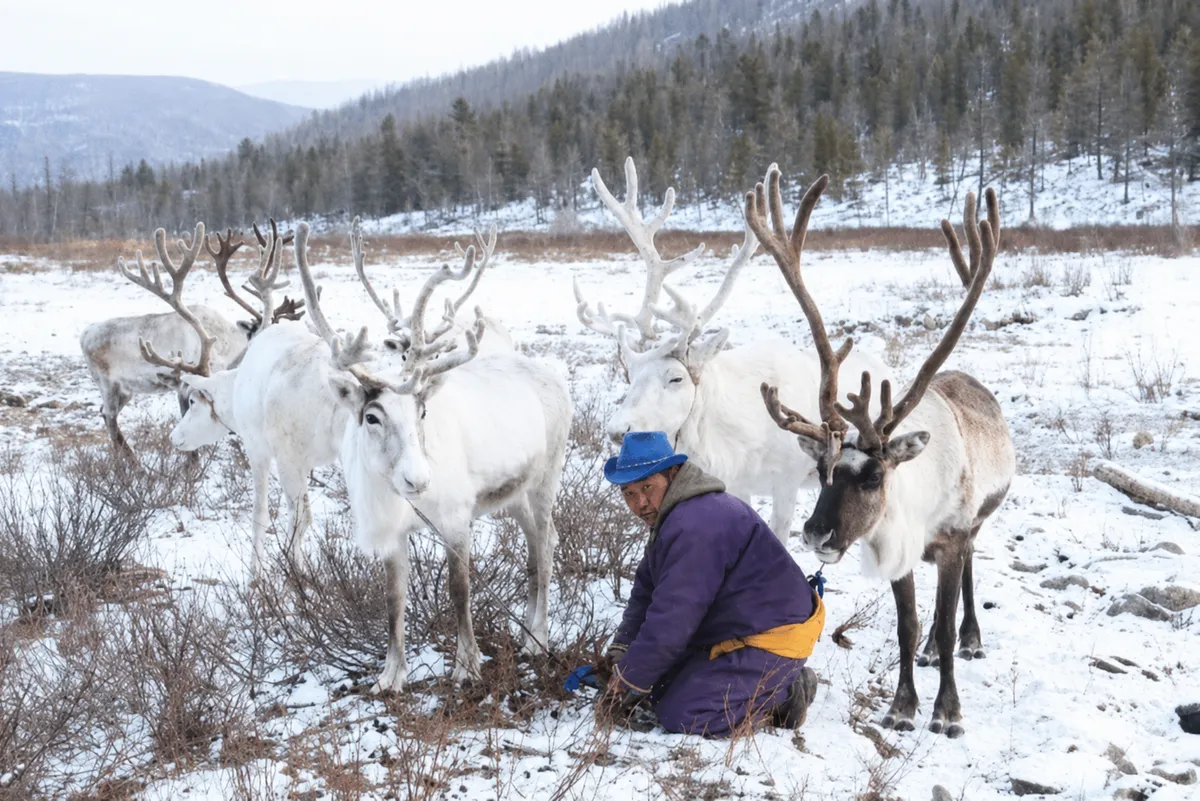
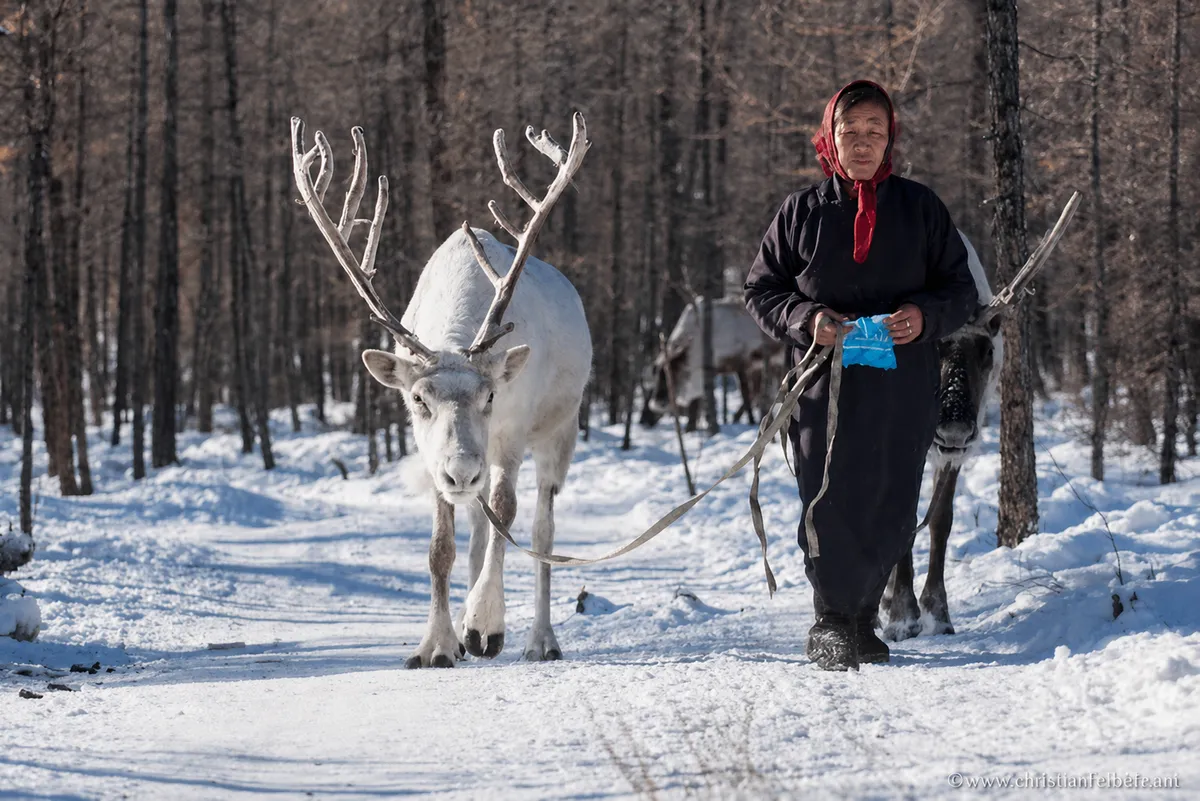
Spend a full day with the families and their reindeer. Learn how the animals are cared for during winter and how the families live through the coldest months of the year.
The day follows life in the camp. There may be opportunities to accompany the herders, photograph the reindeer and help with simple daily activities.
Day 7
Reindeer and wildlife of the winter taiga
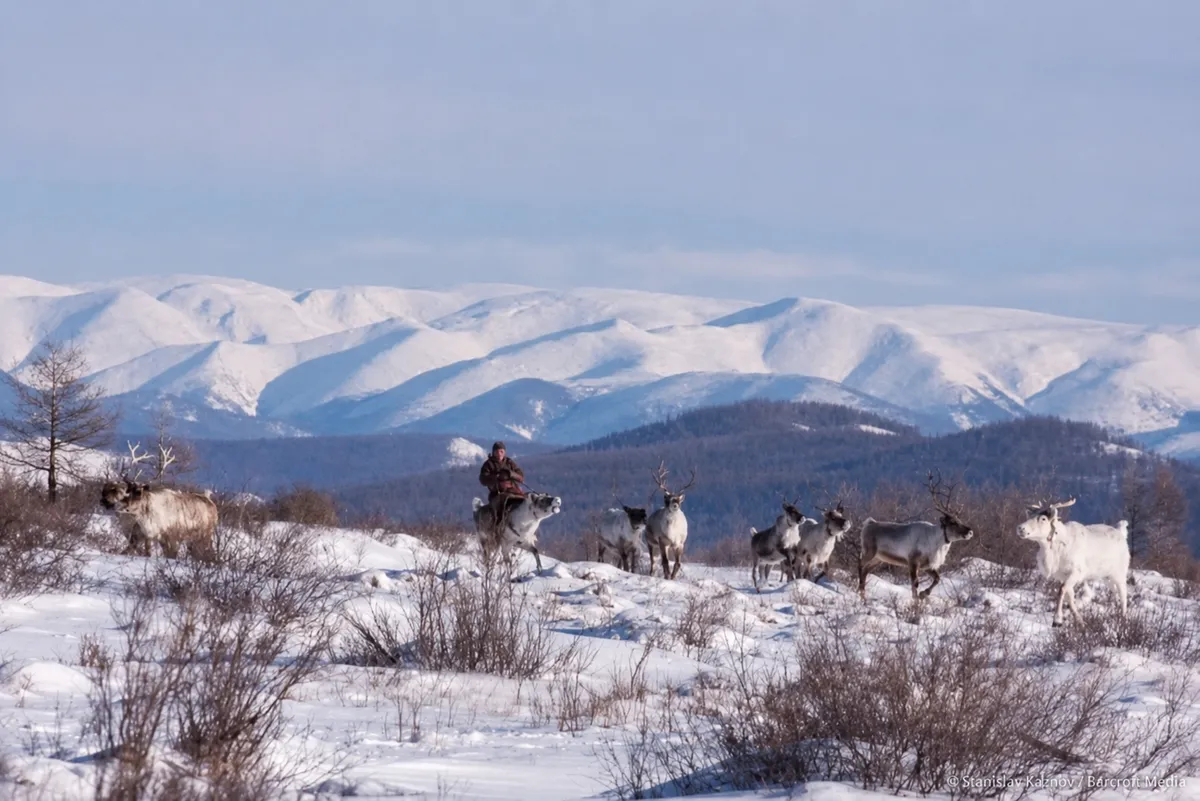
Spend a second full day with the families. Depending on the weather, travel into the nearby forest and valleys on foot, horseback, reindeer or sleigh.
Look for tracks and other signs left by moose, roe deer, foxes, wolves, wolverines and other wildlife. These animals are difficult to see, and direct sightings are never expected.
Day 8
Tsaatan winter camp to Mörön
Say goodbye to the families and leave early. Return through Tsagaannuur and continue south through the Darkhad Valleys to Mörön.
This is the longest day of the trip. The travelling time will depend on the location of the camp, the snow and the condition of the roads.
Day 9
Mörön to Ulaanbaatar
Return to Ulaanbaatar by road, stopping for meals and short breaks along the way. Arrival is expected during the evening.
On some dates, the road journey can be replaced by a direct flight lasting around 1 hour 10 minutes to 1 hour 30 minutes. Flight schedules and baggage allowances must be checked before booking.
The location of the Tsaatan families changes with the seasons and the condition of the reindeer pastures. Please contact us when planning your journey so that we can confirm the most likely camp location and route for your travel dates. Riding times and the exact route may therefore change. Rain, high rivers and wet ground can also make travel considerably slower.
The Tsaatan families move with their reindeer, so the exact location of the winter camp cannot be confirmed far in advance. Contact us with your travel dates and we will check the location of the families and how the camp can be reached. This nine-day itinerary is possible only when the camp location and road conditions allow us to return to Mörön in one day.
Snow, extreme cold and poor visibility can make travelling slower. Any journey onto frozen Lake Khövsgöl will depend on local ice conditions. Domestic flights are limited and must be confirmed for your travel dates.
Your expedition
What is included :
Included
- All ground transport in Mongolia, using our own vehicles and drivers, with fuel included
- All accommodation listed in the itinerary
- All meals and drinking water throughout the expedition
- Your expedition guide, together with the local rangers, trackers and spotters who work with us
- All park and reserve entry fees and permits
- Airport transfers in Ulaanbaatar on the scheduled arrival and departure days
- All camping and cooking equipment required by the itinerary
Not included
- International flights to and from Ulaanbaatar
- Optional domestic flights offered instead of an overland journey
- Travel insurance, which is required and must cover medical evacuation
- Visa fees, where applicable
- Alcoholic drinks and personal expenses
- Optional activities or services not listed in the itinerary
Key species
Wildlife to look for on this expedition
Regular
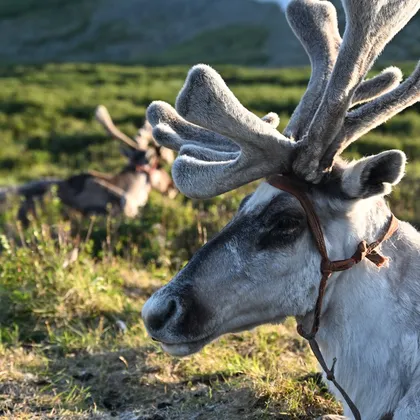
ReindeerRangifer tarandusRegular
Rare
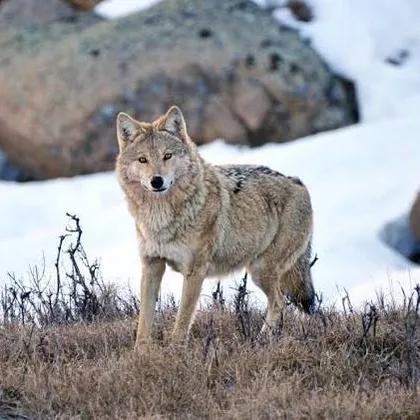
Grey wolfCanis lupusRare
Other species you may see
- Siberian roe deer
- Pikas
- Golden Eagle
- Bearded Vulture
- Black-billed Capercaillie
- Other grouse and forest birds
- Moose
- Siberian musk deer
- Red deer
- Wild boar
Before you book
The realities of this expedition
This journey reaches a remote part of northern Mongolia, with long drives, several hours on horseback and very simple facilities in the taiga. We want you to know what to expect before you decide.
- Several days involve long drives, including a journey of around 9–10 hours between Mörön and Ulaanbaatar if you do not choose the 1h flight option.
- The Tsaatan camp is reached on horseback. Expect around 4–6 hours of riding each way over wet, uneven ground, with forest trails and river crossings.
- Five nights are spent in simple teepees or gers with no running water, showers, private bathrooms or reliable electricity.
- Weather can change quickly. Rain, cold nights, wet ground and mosquitoes are all possible, even during summer.
- The families move with their reindeer, so the location of the camp, riding times and exact route may change.
- Mobile coverage is limited and medical assistance is several hours away. Wildlife is difficult to find, and tracks or other signs are more likely than direct sightings.
Before you book
The realities of this expedition
This is a remote expedition with basic facilities and long days in the field. It will not suit everyone, and we want you to know what to expect before you decide.
- Serious winter cold : Temperatures regularly fall below −25 °C and can be much lower at night. The cold is the main difficulty of this expedition.
- A route that must remain flexible : The families move with their reindeer, so the exact location of the camp can change. Snow, ice and road conditions may also affect driving times and the final approach.
- Very simple accommodation : Guesthouses in the villages are basic. With the families, accommodation will be in a ger or a teepee with toilets outside.
- Wildlife is never guaranteed : The reindeer are domestic. Wild animals may occasionally be seen in the taiga, but sightings are unpredictable.
Travellers
What travellers said afterwards
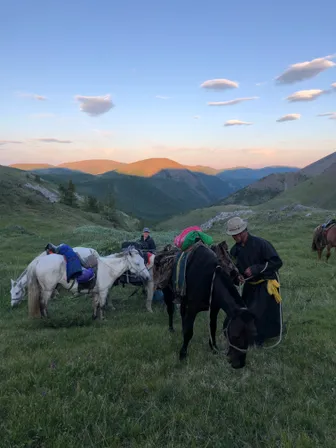
JuliaTsaatan Expedition
Arthur was an amazing guide, giving myself and my 4 friends from New Zealand an authentic and once-in-a-lifetime experience visiting the Tsaatan people. Arthur was knowledgeable, kind and became more of a friend than a guide. His connection with the locals provided unique insights into their way of life, and his skills as a translator helped bridge the gap and allow us to become immersed in Mongolian culture too. I am very grateful to Arthur for often going above and beyond to help us, for his flexibility and authenticity as a guide. I would highly recommend this trip to anyone, it is well worth it!
Ask us anything about this trip
Dates, fitness, cold, cameras, or what happens if the weather closes in. We answer these ourselves.